Discovering what to do if your driver license number is stolen becomes an urgent priority when you realize this seemingly simple piece of information can unlock a cascade of identity theft problems. Unlike a credit card that can be canceled and replaced within days, your driver license number is a permanent identifier tied to your identity in state and federal databases. Criminals who obtain this number can use it to impersonate you during traffic stops, open fraudulent accounts, create fake identification documents, and even commit crimes under your name. The theft of driver license information has become increasingly common as data breaches expose millions of records annually. State DMV databases, insurance companies, healthcare providers, and countless other organizations store your license number, creating multiple points of vulnerability.
When the 2023 breach at a major background check company exposed over 2.9 billion records, driver license numbers were among the most valuable pieces of stolen data. Unlike Social Security numbers, which have gained significant protective measures over the years, driver license numbers often fly under the radar in identity protection strategies, leaving victims scrambling when theft occurs. This guide provides a comprehensive roadmap for responding to driver license number theft, from immediate protective actions to long-term monitoring strategies. Readers will learn how to report the theft to appropriate authorities, place fraud alerts with credit bureaus and state DMV offices, monitor for signs of misuse, and understand the legal protections available. The goal is to transform a moment of panic into a structured response that minimizes damage and prevents future exploitation of your compromised information.
Table of Contents
- How Do You Know If Your Driver License Number Has Been Stolen?
- Immediate Steps After Driver License Number Theft
- How Stolen Driver License Numbers Are Used by Criminals
- Steps to Protect Your Credit After License Number Theft
- Common Problems When Disputing Driver License Fraud
- Long-Term Monitoring After Driver License Identity Theft
- How to Prepare
- How to Apply This
- Expert Tips
- Frequently Asked Questions
How Do You Know If Your Driver License Number Has Been Stolen?
Recognizing that your driver license number has been compromised often happens through indirect signs rather than direct notification. Unlike credit card fraud that triggers immediate alerts, driver license theft may not become apparent for months or even years. Common warning signs include receiving traffic tickets or court summons for violations you never committed, discovering unfamiliar accounts on your credit report that used your license as identification, or being informed during a routine traffic stop that there are outstanding warrants in your name. Some victims first learn of the theft when applying for a job and the background check returns criminal records belonging to someone else.
Data breach notifications represent another primary discovery method. When companies experience security incidents, they are required by state laws to notify affected individuals, typically specifying what types of information were exposed. Pay close attention to these notices, as many people dismiss them without realizing driver license numbers were included in the breach. The notification should specify exactly what data was compromised and often provides recommendations for protective measures.
- Traffic violations or warrants appearing on your record that you did not commit
- Credit applications denied due to identity verification failures
- Insurance premium increases based on driving violations you never had
- Data breach notification letters mentioning license information exposure
- Collection notices for accounts opened using your identification
Immediate Steps After Driver License Number Theft
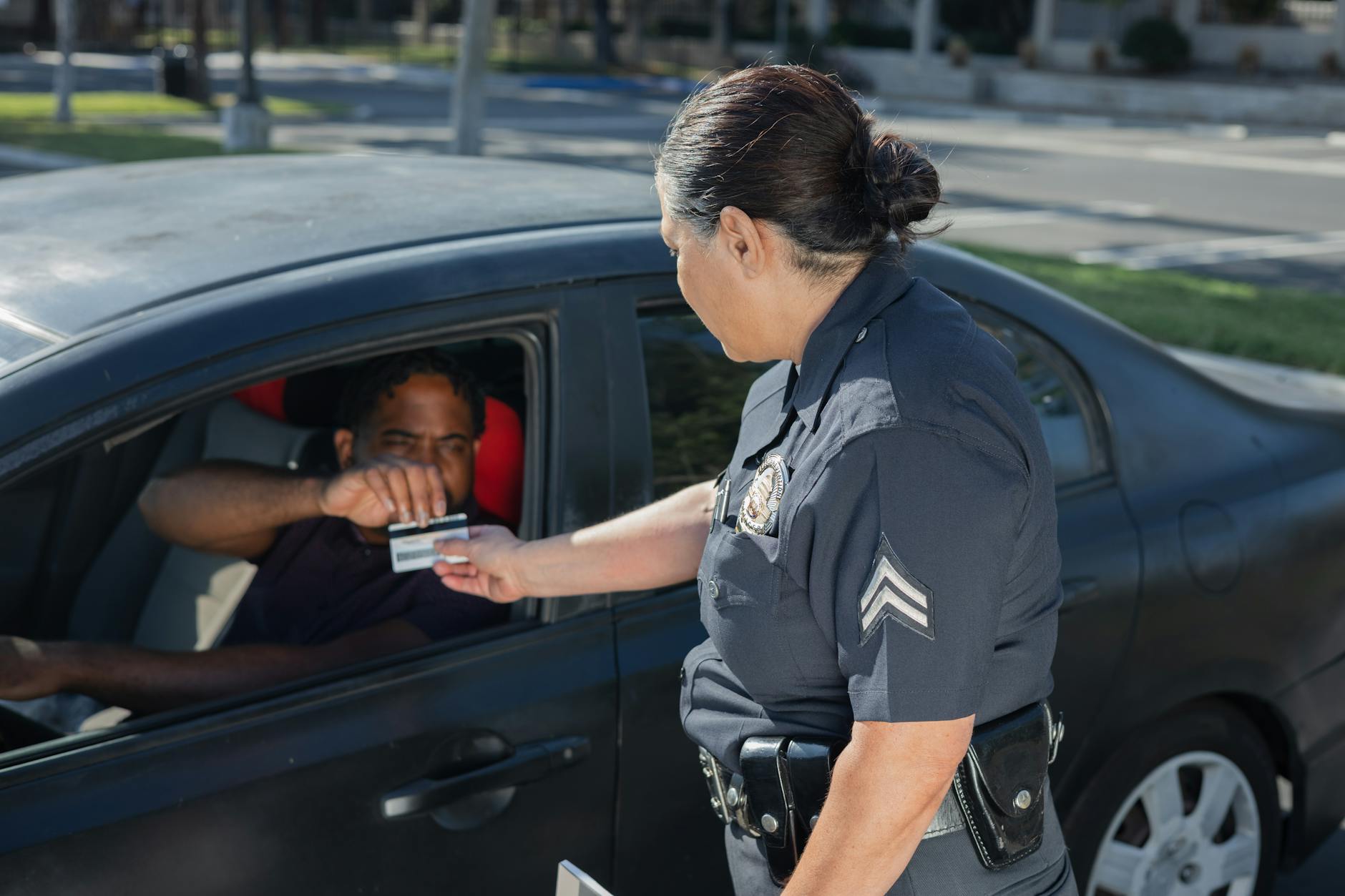
The first 48 hours after discovering your driver license number has been stolen are critical for limiting potential damage. Begin by contacting your state Department of Motor Vehicles to report the theft and inquire about placing a fraud alert on your driving record. Many states now offer flagging systems that alert law enforcement when your license number is used, helping to identify criminals attempting to impersonate you during traffic stops.
Some states will issue a new license number entirely, though policies vary significantly by jurisdiction. File an identity theft report with the Federal Trade Commission at IdentityTheft.gov, which creates an official record of the incident and generates a personalized recovery plan. This FTC report serves as documentation when disputing fraudulent activities and provides legal standing under the Fair Credit Reporting Act. Simultaneously, file a police report with your local law enforcement agency, as this creates a paper trail that proves invaluable when challenging fraudulent traffic tickets, criminal records, or financial accounts opened in your name.
- Contact your state DMV immediately to report the compromise and request fraud protection
- File an identity theft report with the FTC to create official documentation
- File a police report to establish a legal record of the theft
- Request copies of your driving record to check for unauthorized activity
- Contact your auto insurance company to alert them of potential fraudulent claims
How Stolen Driver License Numbers Are Used by Criminals
Understanding how criminals exploit stolen driver license numbers helps victims anticipate potential threats and take appropriate preventive measures. The most straightforward misuse involves creating fraudulent physical identification documents. With modern printing technology and access to templates sold on dark web marketplaces, criminals can produce convincing fake licenses bearing their photograph but your personal information. These counterfeit documents facilitate everything from purchasing alcohol underage to establishing false identities for more serious criminal enterprises.
Financial fraud represents another significant threat vector. Many banks and financial institutions use driver license numbers as a secondary verification method when opening accounts or processing large transactions. A criminal armed with your name, date of birth, Social Security number, and driver license number possesses enough information to pass most identity verification processes. This enables them to open credit cards, take out loans, and even drain existing accounts if additional security measures are weak. The combination of a stolen driver license number with other personal data from the same or different breaches creates what security professionals call a “fullz” profile, which commands premium prices in underground markets.
- Creation of fraudulent physical ID documents using your information
- Opening bank accounts and credit lines in your name
- Providing your information during traffic stops or arrests
- Filing fraudulent tax returns to claim refunds
- Obtaining medical services under your identity

Steps to Protect Your Credit After License Number Theft
Protecting your credit profile requires proactive engagement with all three major credit bureaus: Equifax, Experian, and TransUnion. Place a fraud alert on your credit files, which requires creditors to take extra verification steps before opening new accounts in your name. Initial fraud alerts last one year and can be renewed. For stronger protection, consider a credit freeze, which prevents anyone from accessing your credit report to open new accounts.
Unlike fraud alerts, freezes must be placed individually with each bureau and temporarily lifted when you legitimately need to apply for credit. Beyond the major bureaus, consider freezing your report with lesser-known agencies that specialize in subprime lending and banking verification. The National Consumer Telecom and Utilities Exchange, ChexSystems, and LexisNexis maintain consumer databases that identity thieves frequently exploit. Freezing these reports closes potential loopholes that sophisticated criminals might use when traditional credit bureaus are locked. Request free credit reports from AnnualCreditReport.com and review them thoroughly for any accounts or inquiries you do not recognize.
- Place fraud alerts with Equifax, Experian, and TransUnion
- Consider credit freezes for maximum protection against new account fraud
- Freeze reports with ChexSystems, NCTUE, and other specialty bureaus
- Review credit reports from all three bureaus for unauthorized activity
- Set up free credit monitoring through the bureaus or breach settlement offerings
Common Problems When Disputing Driver License Fraud
Navigating the bureaucratic processes of DMV offices and courts creates significant challenges for driver license fraud victims. One of the most frustrating issues involves clearing criminal records created when someone else used your identity during an arrest. Even with police reports and FTC documentation, expunging these records may require court appearances, attorney assistance, and months of persistent follow-up. Some victims discover arrest warrants exist in multiple states, complicating the resolution process across different jurisdictions with varying procedures.
Traffic violations present another common dispute challenge. When someone receives a ticket using your information and fails to appear in court, a bench warrant may be issued, and your actual license could be suspended without your knowledge. Resolving these issues often requires obtaining court records, providing proof of your whereabouts at the time of the violation, and working with both the court system and DMV to clear your record. Insurance complications arise when fraudulent violations affect your driving record, potentially increasing premiums or causing policy cancellations based on accidents or tickets you never received.
- Criminal records in your name from arrests of the person who stole your identity
- License suspensions from unpaid tickets or failure to appear warrants
- Insurance rate increases based on fraudulent violations on your driving record
- Difficulty proving negative information should be removed without extensive documentation
- Jurisdictional complications when fraud occurs across multiple states

Long-Term Monitoring After Driver License Identity Theft
Even after taking immediate protective steps, vigilant long-term monitoring remains essential because stolen driver license numbers can resurface years after the initial theft. Criminals may sell your information multiple times through underground networks, or it may sit unused in a database until someone purchases it. Establish a routine of checking your driving record at least annually through your state DMV, reviewing all credit reports quarterly, and maintaining alerts through credit monitoring services that notify you of suspicious activity.
Consider enrolling in an identity theft protection service that monitors dark web marketplaces for your personal information. While these services cannot prevent theft, they provide early warning when your data appears in criminal forums, allowing you to take protective action before fraudulent activity occurs. Document your monitoring schedule and keep records of all reports and alerts, as this documentation proves valuable if you need to demonstrate ongoing vigilance during future dispute processes.
How to Prepare
- **Create a secure record of your current license information** by photographing both sides of your license and storing the images in an encrypted digital vault or safe deposit box, providing reference documentation if you need to prove your authentic identity later.
- **Register for your state DMV online portal** now, before any incident occurs, as having an established account makes it easier to check your driving record, receive alerts, and manage your license status during a crisis.
- **Document your normal financial baseline** by downloading current credit reports and keeping records of all legitimate accounts, making it easier to identify fraudulent additions if your identity is compromised.
- **Establish relationships with your bank and insurance company fraud departments** by noting direct contact numbers and understanding their specific procedures for reporting identity theft related to driver license information.
- **Create a personal incident response checklist** listing every agency to contact, including phone numbers, website URLs, and hours of operation, so you can act quickly without researching procedures during a stressful situation.
How to Apply This
- **Contact your state DMV first** using the fraud reporting line (not general customer service) to place alerts on your license record, inquire about obtaining a new license number, and request a current copy of your driving record to establish a baseline.
- **File reports with the FTC and local police** within 24 hours of discovering the theft, keeping copies of all confirmation numbers and documents in both digital and physical form for use in future disputes.
- **Initiate credit protection measures** by placing fraud alerts or freezes with all credit bureaus, requesting free credit reports, and disputing any fraudulent items in writing with supporting documentation.
- **Set up ongoing monitoring systems** including credit monitoring alerts, annual driving record checks, and periodic reviews of your insurance and financial accounts to catch any delayed fraudulent activity.
Expert Tips
- **Request a new license number rather than just a replacement card** if your state offers this option, as simply replacing the physical card does nothing to protect against misuse of the number itself, which remains compromised.
- **Keep the paper trail obsessively organized** because resolving driver license identity theft often spans months or years, and having dated records of every communication, report, and confirmation number proves invaluable when dealing with bureaucratic systems.
- **Notify your auto insurance company proactively** even if no fraudulent claims have appeared, as this creates a documented record that protects you if someone causes an accident using your identity and the insurer later questions your coverage.
- **Check your driving record in multiple states** if you have ever held licenses elsewhere or lived near state borders, as criminals sometimes exploit confusion between state databases to avoid detection.
- **Consider a fraud alert for your children’s licenses** if they are newly licensed drivers, as young adults with clean driving records and limited credit histories represent attractive targets for identity thieves.
Frequently Asked Questions
How long does it typically take to see results?
Results vary depending on individual circumstances, but most people begin to see meaningful progress within 4-8 weeks of consistent effort. Patience and persistence are key factors in achieving lasting outcomes.
Is this approach suitable for beginners?
Yes, this approach works well for beginners when implemented gradually. Starting with the fundamentals and building up over time leads to better long-term results than trying to do everything at once.
What are the most common mistakes to avoid?
The most common mistakes include rushing the process, skipping foundational steps, and failing to track progress. Taking a methodical approach and learning from both successes and setbacks leads to better outcomes.
How can I measure my progress effectively?
Set specific, measurable goals at the outset and track relevant metrics regularly. Keep a journal or log to document your journey, and periodically review your progress against your initial objectives.
When should I seek professional help?
Consider consulting a professional if you encounter persistent challenges, need specialized expertise, or want to accelerate your progress. Professional guidance can provide valuable insights and help you avoid costly mistakes.
What resources do you recommend for further learning?
Look for reputable sources in the field, including industry publications, expert blogs, and educational courses. Joining communities of practitioners can also provide valuable peer support and knowledge sharing.
You Might Also Like
- What to Do Immediately After Your Personal Information Is Stolen
- Signs Your Social Security Number Has Been Compromised
- Signs Your Credit Card Information Has Been Stolen