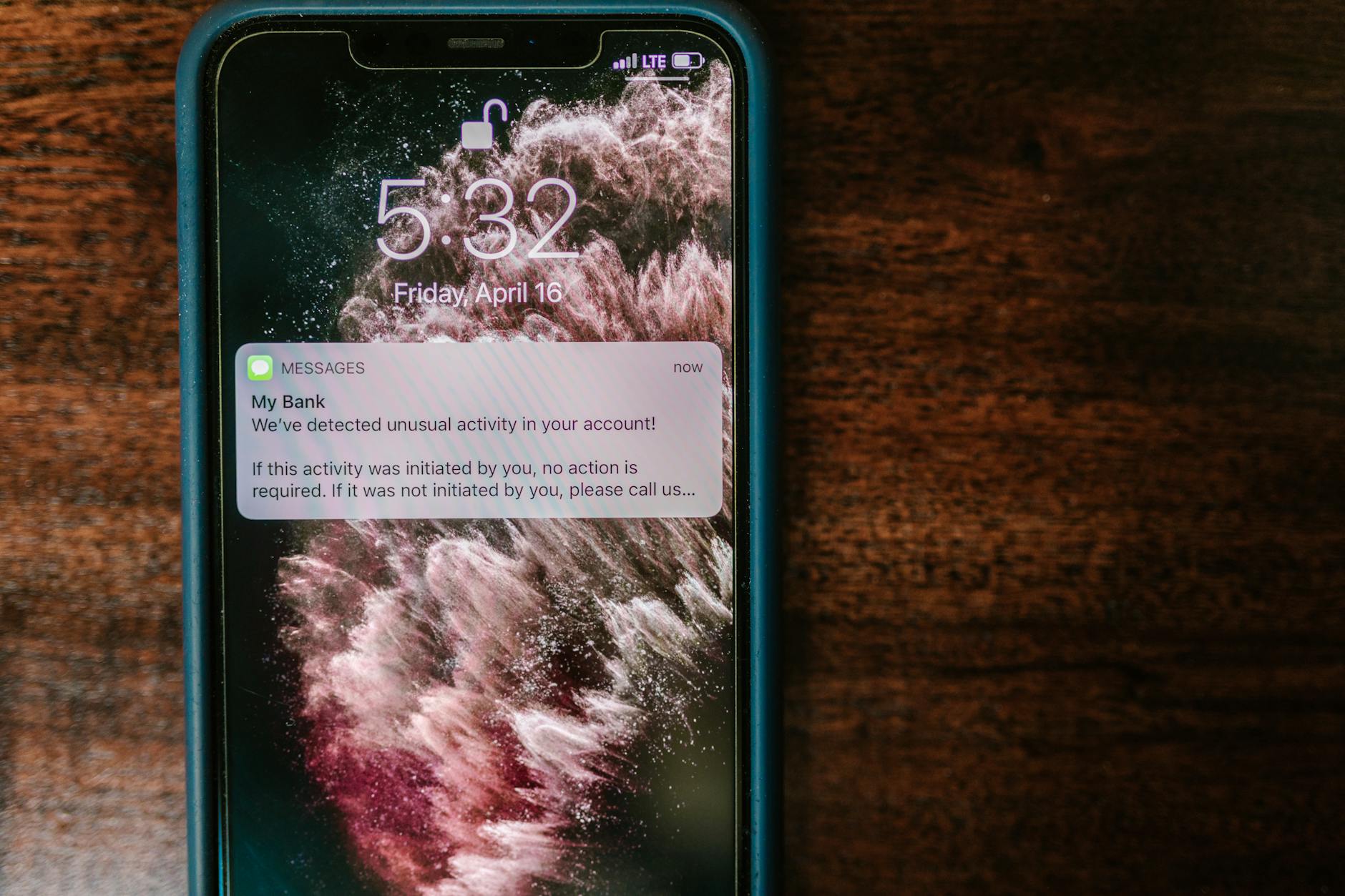
A data breach notification law is a legal requirement that mandates organizations to inform affected individuals, government agencies, and sometimes the public when personal data has been compromised in a security incident. These laws establish specific timelines, methods, and content requirements for how companies must communicate breaches, with penalties for non-compliance ranging from fines to criminal charges. In the United States, all 50 states have enacted their own breach notification laws, while countries like those in the European Union operate under the General Data Protection Regulation (GDPR), which requires notification within 72 hours of discovering a breach.
California pioneered this legal framework in 2002 with SB 1386, the first state breach notification law in the nation, which became effective in 2003. When the Choicepoint data breach exposed personal information of 163,000 people in 2004, the law’s public notification requirement drew national attention and prompted other states to follow suit. Today, organizations operating across multiple jurisdictions must navigate a patchwork of different requirements, making compliance a significant operational challenge. This article covers how breach notification laws function across different jurisdictions, what triggers notification requirements, who must be notified and when, the specific content required in notifications, common compliance failures, and practical steps for preparing your organization to respond effectively.
Table of Contents
- How Do Data Breach Notification Laws Define a Reportable Breach?
- Jurisdictional Variations in Breach Notification Requirements
- Who Must Receive Breach Notifications and When
- Required Content of Breach Notification Letters
- Common Compliance Failures and Enforcement Actions
- Industry-Specific Notification Requirements
- How to Prepare
- How to Apply This
- Expert Tips
- Frequently Asked Questions
How Do Data Breach Notification Laws Define a Reportable Breach?
Not every security incident qualifies as a reportable breach under notification laws. Most statutes define a breach as the unauthorized acquisition, access, or disclosure of personal information that compromises the security, confidentiality, or integrity of that data. The key determination often hinges on whether the exposed data was encrypted or otherwise rendered unreadable, and whether there is a reasonable likelihood of harm to affected individuals. Different jurisdictions use varying thresholds for what constitutes personal information requiring notification. California’s law, for example, covers social security numbers, driver’s license numbers, financial account information, medical data, and biometric information.
Some states have expanded their definitions to include email credentials, passport numbers, and even usernames combined with passwords. Massachusetts goes further by including any information that creates a substantial risk of identity theft or fraud. A critical distinction exists between a security incident and a reportable breach. If an organization experiences unauthorized access but can demonstrate through a documented risk assessment that the data was encrypted with keys that remained secure, or that the accessed information does not meet the statutory definition of personal data, notification may not be required. However, this risk assessment must be thorough and documented, as regulators will scrutinize these decisions during investigations.

Jurisdictional Variations in Breach Notification Requirements
The absence of a comprehensive federal breach notification law in the United States means organizations must comply with a fragmented system of state laws, each with its own requirements. New York’s SHIELD Act requires notification to state residents regardless of where the business is located if it holds New York residents’ data. Meanwhile, Florida requires notification within 30 days, while Connecticut and Colorado mandate notification within 60 days. This inconsistency creates significant compliance burdens for companies operating nationally. International regulations add another layer of complexity.
The GDPR requires controllers to notify supervisory authorities within 72 hours of becoming aware of a breach, but only if the breach is likely to result in a risk to individuals’ rights and freedoms. However, if an organization determines the breach is unlikely to result in such risk, it must document that decision and be prepared to defend it. Brazil’s LGPD and Japan’s APPI have their own distinct requirements, making multinational compliance particularly challenging. Organizations should be aware that some jurisdictions impose additional requirements beyond individual notification. New York, for instance, requires notification to the Attorney General, Department of State, and State Police if more than 500 New York residents are affected. California requires businesses to notify the Attorney General if more than 500 California residents are affected, and the notification must be submitted electronically in a specific format.
Who Must Receive Breach Notifications and When
Most breach notification laws require organizations to notify affected individuals directly when their personal information has been compromised. The notification must generally be provided in writing, typically by mail, though many states now permit electronic notification if the individual has consented to electronic communications. When the number of affected individuals exceeds certain thresholds or when the organization lacks sufficient contact information, substitute notice through media outlets and website postings may be acceptable. The 2017 Equifax breach illustrates the scale and complexity of notification obligations. The company ultimately notified approximately 147 million individuals across the United States, and because the breach affected residents in all 50 states plus several territories, Equifax had to comply with each jurisdiction’s specific requirements.
The company faced lawsuits and regulatory actions partly because of delays in notification and perceived inadequacies in its initial response. Timing requirements vary significantly. The GDPR’s 72-hour window is among the most aggressive globally, though it begins when the controller becomes “aware” of the breach, which allows some time for initial investigation. Most U.S. state laws use language like “without unreasonable delay” or specify windows ranging from 30 to 90 days. However, if law enforcement determines that notification would impede a criminal investigation, organizations can typically delay notification until clearance is provided, though this exception requires documentation and eventual compliance once the investigation permits.

Required Content of Breach Notification Letters
Breach notification laws typically mandate specific information be included in notification letters to ensure affected individuals can take protective action. Standard requirements include a description of the incident, the types of personal information involved, the date or estimated date range of the breach, steps the organization is taking in response, contact information for questions, and information about how individuals can protect themselves, including details about obtaining credit reports and placing fraud alerts. Some jurisdictions impose additional content requirements. California requires notifications to include specific headings such as “What Happened,” “What Information Was Involved,” “What We Are Doing,” “What You Can Do,” and “For More Information.” Washington state requires notifications to include the toll-free numbers for the three major credit bureaus and the Federal Trade Commission.
New York’s SHIELD Act requires a description of the categories of information breached, which may differ from a general description of “types” of information. A common compliance failure involves providing vague or incomplete descriptions that leave individuals unable to assess their risk. For example, stating that “personal information may have been accessed” without specifying whether financial data, social security numbers, or medical records were involved fails to meet the spirit and often the letter of notification requirements. Courts and regulators have criticized such notifications, and they may expose organizations to additional liability.
Common Compliance Failures and Enforcement Actions
Organizations frequently underestimate the complexity of breach notification compliance, leading to enforcement actions and civil litigation. Common failures include delayed notification beyond statutory deadlines, inadequate risk assessments that incorrectly conclude notification is not required, failure to notify all required government agencies, and notification content that fails to meet statutory requirements. The 2018 Uber settlement with all 50 state attorneys general for $148 million stemmed partly from the company’s decision to pay hackers to delete stolen data rather than notify affected individuals and regulators. Enforcement varies by jurisdiction but has intensified in recent years. The GDPR has produced some of the largest fines, including a €50 million penalty against Google by France’s data protection authority.
In the United States, state attorneys general have become increasingly aggressive in pursuing breach notification violations. The New York Attorney General’s office has been particularly active, reaching settlements with companies like Dunkin’ Donuts, Zoom, and EyeMed Vision Care for various breach-related failures. A significant limitation of current enforcement is the varying interpretation of “reasonable security” standards. Organizations may believe they maintained adequate security measures, but regulators may disagree after a breach occurs. This ambiguity creates legal uncertainty, and organizations should not assume that compliance with one state’s requirements guarantees compliance elsewhere. Documentation of security measures and incident response decisions is critical for defending against enforcement actions.

Industry-Specific Notification Requirements
Beyond general state laws, certain industries face additional or superseding breach notification requirements. Healthcare organizations must comply with the HIPAA Breach Notification Rule, which requires notification to affected individuals within 60 days of discovering a breach, notification to HHS either annually or immediately depending on the number of affected individuals, and potential media notification if more than 500 residents of a single state are affected. The HIPAA requirements interact with state laws, and organizations must comply with whichever standard provides greater protection to individuals. Financial institutions face their own framework under the Gramm-Leach-Bliley Act’s Safeguards Rule and guidance from prudential regulators.
The Interagency Guidance on Response Programs requires financial institutions to notify customers when misuse of their information has occurred or is reasonably possible. In November 2021, federal banking regulators implemented a new rule requiring banks to notify their primary federal regulator within 36 hours of a significant computer security incident. Organizations should verify whether industry-specific requirements apply to their operations, as these often impose stricter timelines or additional obligations. A hospital system, for example, must navigate HIPAA requirements, applicable state laws, and potentially PCI-DSS requirements if payment card data is involved in the same incident.
How to Prepare
- **Conduct a data inventory and mapping exercise** to understand what personal information your organization collects, where it resides, and which jurisdictions’ laws apply based on resident locations. This inventory should be updated regularly as business operations change.
- **Develop a written incident response plan** that includes specific procedures for breach notification, assigns roles and responsibilities, identifies external resources like legal counsel and forensic investigators, and establishes communication protocols. Test this plan through tabletop exercises at least annually.
- **Establish relationships with key external parties** before you need them. Identify and vet forensic investigation firms, outside legal counsel with breach notification expertise, and notification vendors who can handle large-scale mailings. Negotiate contracts in advance so these resources can be activated quickly.
- **Create template notification letters** for different scenarios and jurisdictions, reviewed by legal counsel for compliance with applicable laws. While each incident will require customization, having approved templates accelerates response time during an actual breach.
- **Implement monitoring and detection capabilities** to identify breaches promptly, as notification timelines begin when organizations become aware of incidents. A common mistake is assuming that security tools alone provide adequate detection; organizations should also establish processes for employees to report potential incidents and investigate anomalies.
How to Apply This
- **Activate your incident response team and begin documentation immediately.** Every decision, finding, and communication should be documented contemporaneously. Consider engaging outside counsel at the outset to establish privilege over investigation materials, which may protect sensitive findings from discovery in subsequent litigation.
- **Conduct a thorough investigation to determine the scope of the incident.** Identify what data was accessed or acquired, how many individuals are affected, in which jurisdictions those individuals reside, and whether the data was encrypted or otherwise protected. This investigation determines whether notification is required and to whom.
- **Determine applicable notification requirements based on investigation findings.** For each jurisdiction where affected individuals reside, identify the notification timeline, required recipients, content requirements, and method of delivery. Create a compliance matrix tracking each jurisdiction’s requirements and your organization’s status in meeting them.
- **Execute notifications according to your plan while continuing to monitor the situation.** Send notifications to regulatory agencies as required, often before or concurrent with individual notifications. Establish call center support to handle inquiries from affected individuals, and be prepared to issue supplemental notifications if the investigation reveals additional affected individuals or compromised data types.
Expert Tips
- Document your risk assessment thoroughly, even when you conclude notification is not required. Regulators will scrutinize these decisions, and contemporaneous documentation is far more credible than after-the-fact justifications.
- Do not assume encryption eliminates notification obligations. Many statutes require that encryption keys also remained secure and uncompromised for the encryption safe harbor to apply.
- Coordinate notification timing with law enforcement requests carefully, but do not use law enforcement involvement as an indefinite delay tactic. Regulators have criticized organizations that claimed ongoing law enforcement delays for extended periods without verification.
- Avoid including marketing language or promotional content in breach notification letters. Regulators and plaintiffs’ attorneys have highlighted such content as evidence of organizations prioritizing reputation over affected individuals’ interests.
- Do not over-promise remediation in notification letters. Commitments made in notifications may become binding obligations, and stating that “all security vulnerabilities have been remediated” when investigation is ongoing can create liability if additional issues emerge.
Frequently Asked Questions
How long does it typically take to see results?
Results vary depending on individual circumstances, but most people begin to see meaningful progress within 4-8 weeks of consistent effort. Patience and persistence are key factors in achieving lasting outcomes.
Is this approach suitable for beginners?
Yes, this approach works well for beginners when implemented gradually. Starting with the fundamentals and building up over time leads to better long-term results than trying to do everything at once.
What are the most common mistakes to avoid?
The most common mistakes include rushing the process, skipping foundational steps, and failing to track progress. Taking a methodical approach and learning from both successes and setbacks leads to better outcomes.
How can I measure my progress effectively?
Set specific, measurable goals at the outset and track relevant metrics regularly. Keep a journal or log to document your journey, and periodically review your progress against your initial objectives.
When should I seek professional help?
Consider consulting a professional if you encounter persistent challenges, need specialized expertise, or want to accelerate your progress. Professional guidance can provide valuable insights and help you avoid costly mistakes.
What resources do you recommend for further learning?
Look for reputable sources in the field, including industry publications, expert blogs, and educational courses. Joining communities of practitioners can also provide valuable peer support and knowledge sharing.
You Might Also Like
- How to Spot Fake Data Breach Notification Emails
- What to Do If Your Employer Suffers a Data Breach
- What Happens to Stolen Data After a Breach