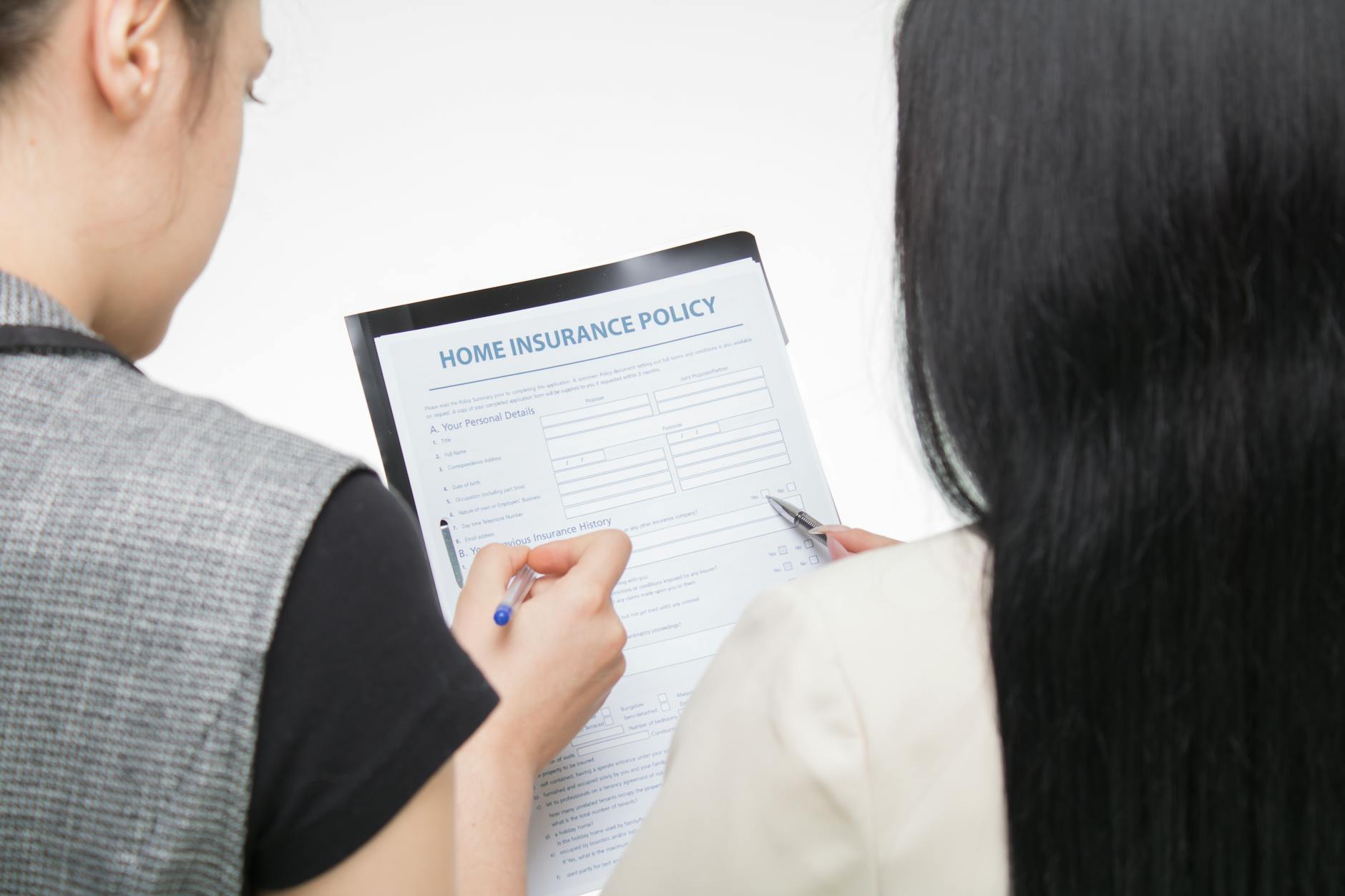
Protecting your pet insurance information requires treating it with the same vigilance you would apply to your health insurance or financial accounts. Start by using unique, strong passwords for your pet insurance portal, enable two-factor authentication if available, and never share policy details over unsecured channels like social media or unencrypted email. Your pet insurance account contains a concentration of sensitive data””your payment information, home address, veterinary records, and often your Social Security number””making it an attractive target for identity thieves who can use these details to open fraudulent accounts or file fake claims.
Consider the 2023 breach at Nationwide Pet Insurance’s third-party vendor, which exposed customer names, addresses, and policy information for thousands of policyholders. Many affected customers didn’t realize their pet insurance account could serve as a gateway to broader identity theft until they started receiving suspicious communications. This article covers why pet insurance data is increasingly targeted, specific steps to secure your accounts, how to recognize phishing attempts disguised as insurance communications, what to do if your information is compromised, and emerging threats in the pet insurance sector. The pet insurance market has grown to over $3 billion annually in the United States, and with that growth comes increased attention from cybercriminals who recognize that many pet owners don’t guard these accounts as carefully as their banking credentials.
Table of Contents
- Why Is Pet Insurance Data a Target for Cybercriminals?
- Recognizing Pet Insurance Phishing and Social Engineering Attempts
- What to Do If Your Pet Insurance Information Is Compromised
- Evaluating Your Pet Insurance Provider’s Security Practices
- Securing Claims Documentation and Veterinary Records
- The Future of Pet Insurance Data Security
Why Is Pet Insurance Data a Target for Cybercriminals?
Pet insurance accounts represent what security researchers call a “soft target”””they contain valuable personal information but typically lack the robust security measures found in banking or health insurance systems. Your policy file often includes your full legal name, date of birth, home address, phone number, email, payment card or bank account details, and sometimes partial social Security numbers used for identity verification. A single compromised account can provide enough information to attempt account takeovers elsewhere or to craft convincing spear-phishing attacks. The data also has secondary value in the criminal underground. Veterinary records included in claims can reveal pet medications, which can indicate the owner’s lifestyle and spending patterns. Home addresses combined with pet breed information have even been used by burglars to identify homes with or without guard dogs. Compared to the elaborate security protocols surrounding medical records under HIPAA, pet insurance data often falls into regulatory gaps, with inconsistent encryption standards and breach notification requirements varying by state. Fraudsters have developed specific schemes around pet insurance, including filing fake claims using stolen policy numbers, setting up counterfeit policies with stolen identities, and even impersonating insurance company representatives to harvest additional credentials. The relatively low scrutiny compared to human medical claims makes these schemes harder to detect until significant damage has occurred. ## How to Create Strong Security for Your Pet Insurance Accounts The foundation of account protection starts with credential hygiene.
Use a password manager to generate and store a unique, random password of at least 16 characters for your pet insurance portal””never reuse passwords from other accounts. If your provider offers two-factor authentication, enable it immediately, preferring authenticator apps over SMS-based codes since SIM-swapping attacks can intercept text messages. As of 2024, major providers including Trupanion and Healthy Paws offer app-based authentication, while others like Embrace still rely on email verification codes. Review your account settings for security questions and ensure the answers aren’t easily discoverable through social media. Questions like “What is your pet’s name?” are particularly vulnerable since many owners freely share this information online. Consider using false but memorable answers and storing them in your password manager. Additionally, set up account alerts for any changes to your policy, payment method, or contact information so you’re notified immediately if someone gains unauthorized access. However, if your pet insurance is bundled with homeowners or renters insurance through a single portal, your security is only as strong as the weakest link. A breach of the broader account exposes your pet insurance data regardless of any individual precautions. In these cases, contact your provider about whether separate login credentials are available for the pet insurance component.

Recognizing Pet Insurance Phishing and Social Engineering Attempts
Phishing campaigns targeting pet insurance customers typically exploit emotional triggers””messages about claim denials, policy cancellations, or urgent premium increases designed to prompt immediate action without careful verification. A common template involves an email warning that your policy will lapse within 24 hours unless you “verify your payment information” through a provided link that leads to a credential-harvesting site designed to mimic your insurer’s login page. Legitimate pet insurance companies will never ask for your full password, Social Security number, or complete credit card number via email or phone. They won’t demand immediate action through unsolicited contact or threaten instant policy cancellation without the formal notice periods required by your state’s insurance regulations.
In 2022, the Better Business Bureau documented a wave of scam calls where fraudsters posed as “pet insurance verification specialists” claiming to need updated banking information to process pending claims””calls that resulted in direct bank account theft for hundreds of victims. Before clicking any link in an insurance-related email, hover over it to verify the destination URL matches your provider’s official domain. When in doubt, navigate directly to your insurer’s website by typing the address manually or using a saved bookmark, then check your account status there. If you receive a concerning phone call, hang up and call back using the number printed on your insurance card or official policy documents.
What to Do If Your Pet Insurance Information Is Compromised
If you suspect your pet insurance data has been exposed””whether through a provider breach notification, suspicious account activity, or unexpected communications””act within the first 48 hours to limit damage. Start by logging into your account directly (not through any links you received) and changing your password immediately. Review your claims history for any submissions you didn’t make, check that your payment information and mailing address haven’t been altered, and look for any policy modifications you didn’t authorize. Contact your pet insurance company’s fraud department to report the suspected compromise and request they flag your account for additional verification on any future changes or claims.
Ask whether they offer credit monitoring services, as many insurers now provide this following confirmed breaches. File a report with the Federal Trade Commission at IdentityTheft.gov, which creates a personalized recovery plan and provides documentation you may need for disputing fraudulent activity. For a specific example, when Pets Best experienced unauthorized access to their claims portal in 2021, affected customers who acted quickly by freezing their credit and alerting their banks reported significantly lower rates of secondary fraud compared to those who waited to see if problems developed. The breach exposed enough data for criminals to attempt new account fraud at financial institutions, demonstrating how quickly pet insurance data can enable broader identity theft.

Evaluating Your Pet Insurance Provider’s Security Practices
Not all pet insurance companies maintain equivalent security standards, and evaluating their practices before signing up can prevent future headaches. Look for providers that clearly communicate their data protection measures, including encryption standards for data at rest and in transit, regular third-party security audits, and compliance with frameworks like SOC 2. This information is typically found in privacy policies or security FAQ pages, though you may need to contact customer service directly for specifics. The tradeoff between convenience and security becomes evident in how providers handle claims and account access. Companies offering app-based claims with photo uploads may store more data on mobile devices, creating additional attack vectors.
Providers allowing claims submission via email lack the encryption of secure portal uploads. Meanwhile, companies requiring extensive paper documentation may seem old-fashioned but sometimes expose less digital data””though they create physical document security concerns instead. Request a copy of your provider’s privacy policy and breach notification procedures before purchasing a policy. Warning signs include vague language about “industry-standard security” without specifics, no clear policy on how long claim data is retained, or inability to answer basic questions about where your data is stored and who has access to it. If a provider cannot articulate their security practices, that opacity itself represents a risk.
Securing Claims Documentation and Veterinary Records
The claims process creates multiple points where your pet insurance information can be exposed beyond the insurance company’s systems. Veterinary clinics retain copies of submitted claims, itemized invoices containing your policy number, and authorization forms with your signature””all potential breach points outside your direct control. Ask your veterinarian about their medical records retention policy and data protection measures, particularly regarding electronic records systems.
When submitting claims, avoid including unnecessary personal information. If a form asks for your Social Security number but the field isn’t marked as required, leave it blank or call to confirm whether it’s actually needed. Retain copies of all submitted claims in a secure location””a password-protected folder or encrypted drive””so you can quickly identify discrepancies if fraudulent claims appear on your account. Some policyholders photograph claims documents before submission rather than keeping paper copies, reducing physical security concerns but requiring proper digital storage practices.
The Future of Pet Insurance Data Security
The regulatory landscape for pet insurance data protection is evolving as states recognize the gap between how this information is treated compared to human health data. California’s Consumer Privacy Act and Virginia’s Consumer Data Protection Act now cover pet insurance data, granting residents rights to know what information is collected, request deletion, and opt out of certain data sharing. Federal legislation specifically addressing pet insurance data security remains unlikely in the near term, but industry groups are developing voluntary standards in response to publicized breaches.
Emerging technologies may improve security while creating new concerns. Biometric authentication for claims””such as fingerprint or facial recognition on mobile apps””adds protection against credential theft but creates databases of biometric data that become high-value targets. Blockchain-based claims verification promises tamper-proof records but remains largely experimental in the insurance sector. As the pet insurance market continues its rapid growth, expect providers to face increasing pressure from both regulators and consumers to demonstrate security investments that match the sensitivity of the data they handle.
You Might Also Like
- How to Protect Your Student Loan Information
- What Information Is Most Valuable to Hackers
- What Happens If Your Passport Information Is Leaked