
Signs your pharmacy account has been compromised include unauthorized prescription refills, changes to your profile information you didn’t make, emails from your pharmacy about account activity you don’t recognize, and medications appearing in your purchase history that you never ordered. If you see any of these red flags, your account likely has been accessed by someone other than you, and you should contact your pharmacy and monitor your health records immediately.
A real example: in 2023, patients at several pharmacy chains discovered someone had changed their delivery address and filled dozens of controlled substance prescriptions in their names before being flagged by pharmacy staff. Pharmacy accounts are particularly attractive targets for criminals because they contain sensitive health information, payment methods, and access to prescription medications—some of which have high street value. The consequences extend beyond financial fraud; a compromised pharmacy account can be used to fill prescriptions for opioids or other controlled substances in your name, creating a medical record that could affect future healthcare decisions and triggering law enforcement attention.
Table of Contents
- What Unauthorized Account Activity Looks Like at Your Pharmacy
- Red Flags in Your Pharmacy Records and Online Account
- Identity Theft and Medical Record Fraud
- How to Respond Immediately After Discovering Compromise
- Common Misconceptions About Pharmacy Account Breaches
- Monitoring Your Credit and Medical Records
- The Evolving Threat Landscape and Pharmacy Security
- Frequently Asked Questions
What Unauthorized Account Activity Looks Like at Your Pharmacy
The most obvious warning sign is receiving notification of prescription refills you didn’t request. This might come as a text, email, or voicemail from your pharmacy saying your medication is ready for pickup or has been shipped. If you haven’t called in a refill and weren’t due for one, this is a strong indicator of unauthorized access. Pay close attention to the medication name, dosage, and quantity—if it’s something you don’t take, someone is definitely using your account.
Another common sign is changes to your contact information or delivery address without your permission. You might receive mail at a new address you didn’t authorize, or get phone calls and emails at a number or address you didn’t register. Many pharmacy accounts also allow payment methods to be saved; if you spot a credit card or payment method you don’t recognize, this is a critical warning sign. Some patients have discovered their accounts compromised when they tried to pick up a legitimate prescription and the pharmacy told them it had already been picked up—by someone else using a forged ID.
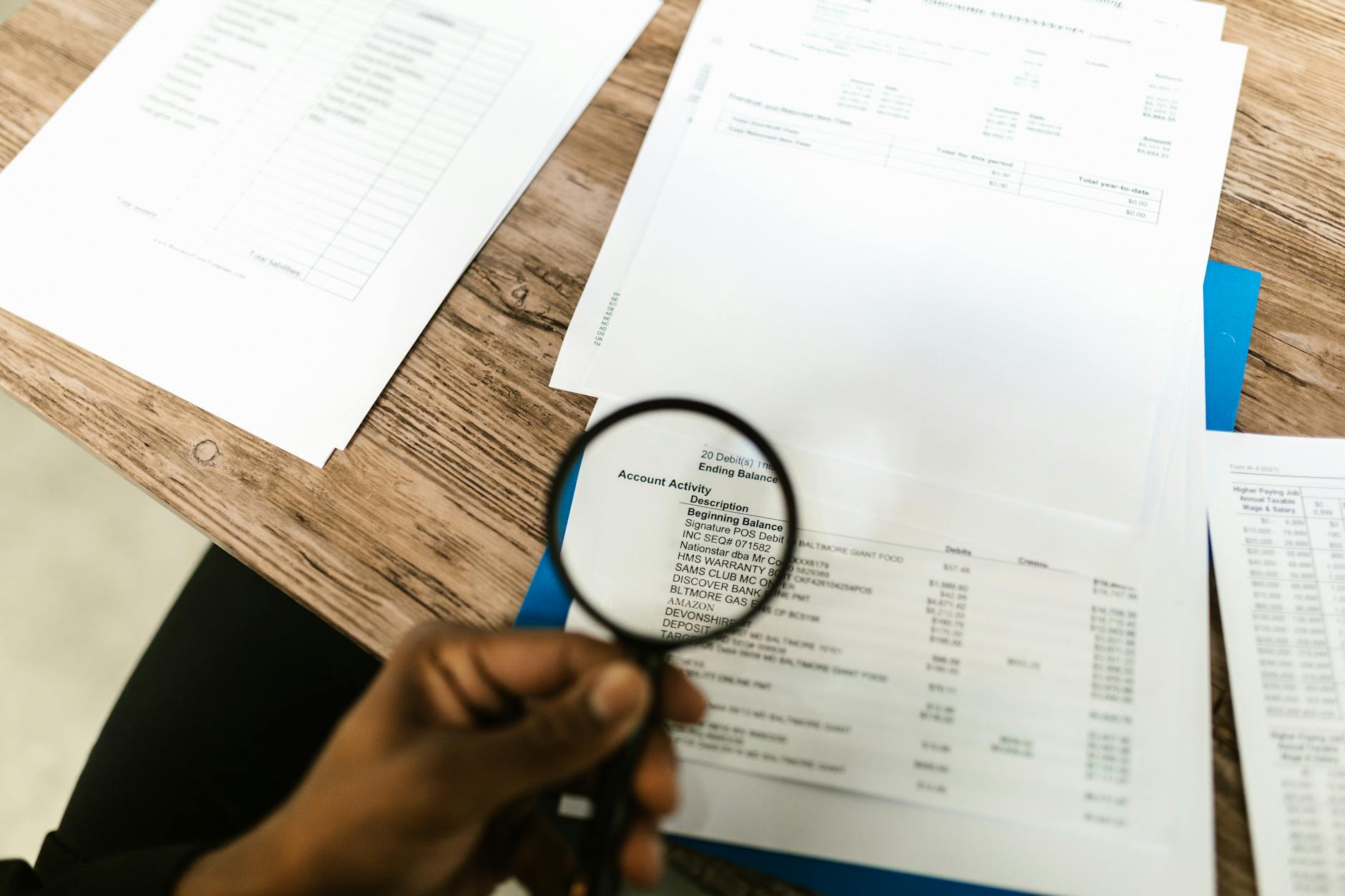
Red Flags in Your Pharmacy Records and Online Account
Log into your pharmacy account online and review your prescription history. If you see medications you’ve never taken or prescriptions filled at times when you weren’t refilling anything, your account has been breached. This is more serious than it initially appears: the pharmacy’s record now contains a false medication history in your name, which could complicate future medical care if a doctor sees that record and bases treatment decisions on it.
A critical limitation to understand is that not all pharmacies notify you immediately when unusual activity occurs. Some patients only discover their accounts were compromised weeks or months later when they check their records or receive a bill for medications they didn’t authorize. Additionally, pharmacy data breaches sometimes go undetected for extended periods, meaning your account could have been accessed without any activity appearing yet. If your pharmacy recently notified you of a data breach affecting their systems, you should preemptively monitor your account closely for the next several months, even if you haven’t noticed suspicious activity yet.
Identity Theft and Medical Record Fraud
When someone uses your pharmacy account to fill prescriptions, they’re not just committing fraud—they’re creating a medical identity theft situation. This means your health records now contain medications you never took and prescriptions you never received. One documented case involved a man whose account was used to fill multiple prescriptions for oxycodone over several months; when law enforcement investigated the theft ring, the victim’s medical records incorrectly showed he had a history of opioid use, complicating his own medical care and nearly resulting in him being reported to the DEA.
Your prescription history is part of your medical profile and can be accessed by healthcare providers. If someone has filled controlled substances in your name, this flag may appear in systems used by doctors, hospitals, and pharmacies across different healthcare networks. Some patients have been denied legitimate pain medication or had treatment plans altered because their records showed a history of substance use that wasn’t actually theirs. Correcting these records after the fact is time-consuming and requires documentation from both the pharmacy and law enforcement.

How to Respond Immediately After Discovering Compromise
If you believe your pharmacy account has been compromised, contact your pharmacy directly by phone—not through the website or app, since the breach might extend to those channels. Ask to speak with a manager or the pharmacy’s security team. Inform them of the specific unauthorized activity, whether it’s fraudulent refills, address changes, or prescription history entries you don’t recognize. Ask them to lock your account, change your password, and disable any saved payment methods. Request a detailed report of all activity on your account for the past three to six months.
File a report with the Federal Trade Commission at IdentityTheft.gov, which creates an official record of the fraud. This is different from reporting to local police, though you should also consider doing that, especially if controlled substances were fraudulently obtained in your name. The FTC report gives you legal rights under federal law, including the ability to dispute fraudulent charges and place fraud alerts on your credit report. A tradeoff to understand: filing a police report sometimes leads to law enforcement investigating you as a potential suspect before determining you were the victim, particularly if controlled substances are involved. However, the FTC report actually helps clarify that you were the victim, not the perpetrator.
Common Misconceptions About Pharmacy Account Breaches
Many people assume that once they change their pharmacy password, the problem is solved. This is not true. Changing your password will prevent the current attacker from accessing your account again, but it does nothing to remove the fraudulent activity already in your records or undo the prescriptions already filled. You also cannot simply ask your pharmacy to delete the unauthorized prescriptions from your history; those records must be corrected through official channels, often with documentation from law enforcement or the pharmacy’s fraud department. A warning: some pharmacies are slower than others at correcting these records.
You may need to follow up multiple times over weeks or months. Another misconception is that your pharmacy account breach is isolated. If you use the same password on multiple accounts, an attacker who compromised your pharmacy login may have access to your email, banking, or other accounts as well. Change your passwords across all important accounts, not just your pharmacy. Additionally, some patients believe their health insurance will automatically detect and alert them to fraudulent prescriptions. This is not guaranteed—insurance companies process thousands of claims daily and may not flag suspicious activity if the pharmacy is legitimate and the prescription format appears valid.

Monitoring Your Credit and Medical Records
Start monitoring your credit reports through all three credit bureaus (Equifax, Experian, and TransUnion) by requesting free reports at AnnualCreditReport.com. Look for fraudulent accounts or inquiries you didn’t authorize. You can also place a fraud alert on your credit report, which requires creditors to verify your identity before opening new accounts in your name. This is a free service and lasts for one year, though you can renew it if needed.
Request a copy of your medical records from your pharmacy and any healthcare providers you use regularly. Review them for entries related to the fraudulent prescriptions. If you find errors, ask the pharmacy’s medical records department or your healthcare provider to issue a written correction. For controlled substances specifically, check the DEA’s prescription drug monitoring program (PDMP) in your state to see what prescription records exist under your name. You can request corrections through your state’s PDMP office if you find fraudulent entries.
The Evolving Threat Landscape and Pharmacy Security
Pharmacy breaches are becoming more sophisticated as attackers move beyond stealing login credentials and begin targeting the pharmacy management systems themselves. Many recent breaches have involved ransomware, where attackers encrypt a pharmacy’s entire computer system and demand payment for the decryption key. During these incidents, patient data is often accessible to the attackers before any encryption occurs.
If your pharmacy experiences a ransomware attack, your pharmacy account data is likely compromised regardless of whether your individual password was weak. The healthcare industry is gradually implementing stronger authentication methods like two-factor authentication (2FA), but adoption is inconsistent. Some large pharmacy chains now offer 2FA, while smaller independent pharmacies may not have this capability. As these security measures become standard, using them will become increasingly important for account protection.
Frequently Asked Questions
How long does it take to correct fraudulent entries in pharmacy records?
Timelines vary significantly by pharmacy and whether law enforcement is involved. Some corrections take 2-3 weeks, while others can take several months if the pharmacy requires documentation from police reports. Larger chains typically have formal fraud correction procedures that move faster than independent pharmacies.
If someone filled a controlled substance prescription in my name, will I get in legal trouble?
Criminal liability for a fraudulently filled prescription is rare if you report it to law enforcement and pharmacy quickly. However, until the fraud is reported and documented, you are technically the person on record as having obtained the medication. This is why filing an FTC report and police report promptly is critical.
Can I sue my pharmacy if my account was compromised due to a data breach?
This depends on whether the pharmacy was negligent in securing customer data and what your state’s laws say about data breach liability. Many pharmacies have cyber liability insurance that covers breaches, but this typically compensates for notification costs and credit monitoring, not individual damages. Consulting an attorney familiar with data breach law in your state is advisable.
Should I switch pharmacies after my account is compromised?
Not necessarily. Switching pharmacies doesn’t fix your existing medical records or remove the fraudulent activity. However, if your pharmacy’s security was particularly weak or if you’ve lost trust in them, moving to a pharmacy with stronger security measures (like 2FA) may protect you going forward.
What’s the difference between a pharmacy data breach and an individual account breach?
A pharmacy data breach compromises many customers’ information at once and is usually announced publicly, while an individual account breach might go undetected longer. If your pharmacy experienced a data breach, you should monitor your account even if you haven’t noticed suspicious activity yet.
How do I know if my pharmacy uses secure authentication methods?
Log into your pharmacy account online. If you’re asked for a second form of verification (a code sent to your phone or generated by an authenticator app), they use two-factor authentication. If you only need your username and password, security is more limited.
You Might Also Like
- Signs Your Pet Insurance Account Has Been Hacked
- Signs Your Electric Account Has Been Hacked
- Signs Your Appraisal Data Has Been Exposed