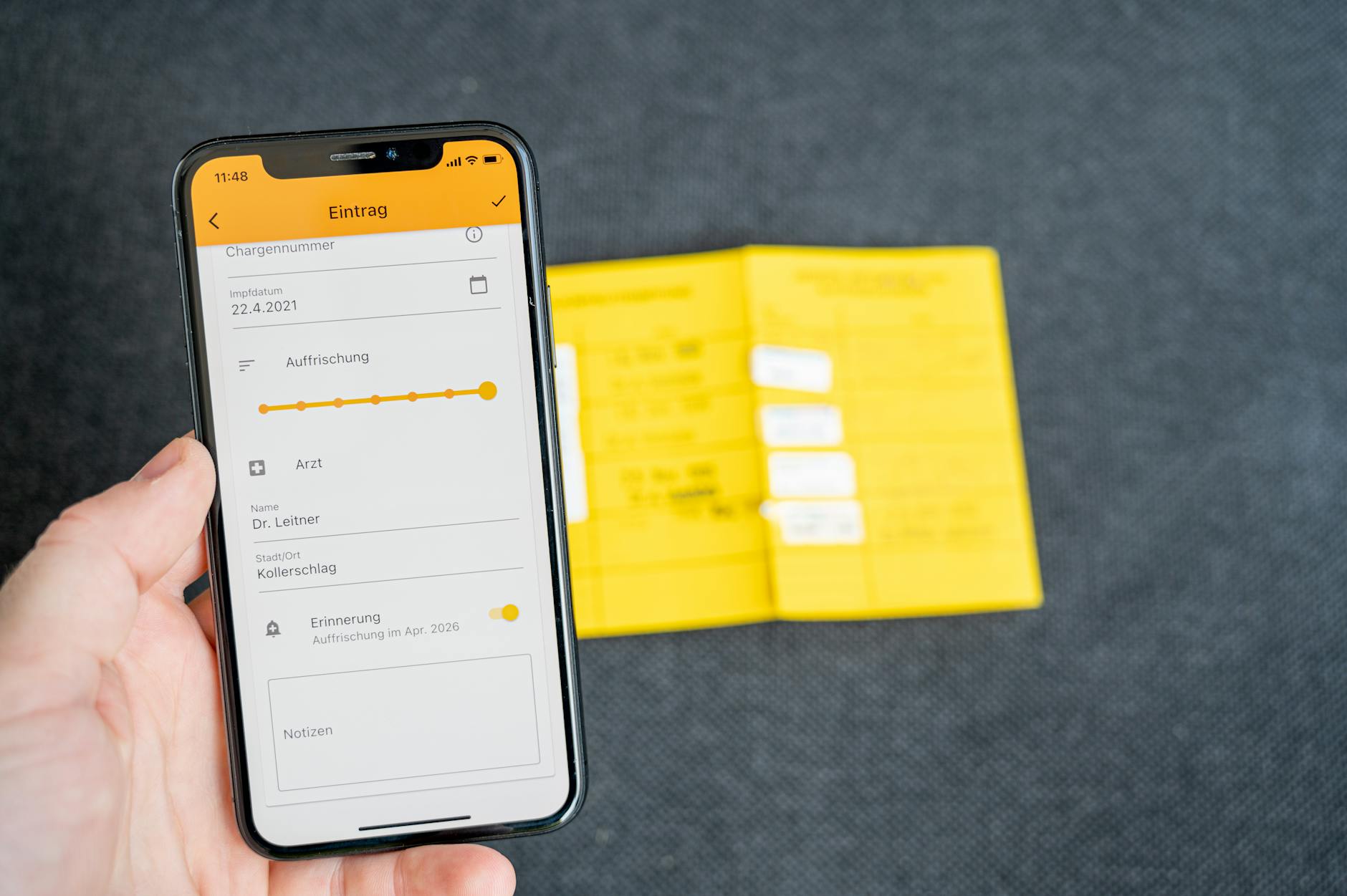
If your vaccination records have been leaked in a data breach, your first step should be to verify what information was exposed, monitor your accounts for suspicious activity, and place fraud alerts with credit bureaus. Vaccination records typically contain your full name, date of birth, medical facility information, vaccine types, and dates administered—all of which can be used for identity theft or medical fraud. When the health system VillageMD suffered a ransomware attack in January 2024, hundreds of thousands of patients found their vaccination records, insurance information, and social security numbers exposed to threat actors who demanded ransom.
The good news is that a leaked vaccination record alone is less immediately damaging than a breach of your financial accounts or social security number, but it does put you at increased risk. Vaccination records are valuable in the criminal underground because they combine medical information with identity verification data, making them useful for both healthcare fraud and identity theft schemes. You’ll want to take action quickly, but you also have time to respond thoughtfully and thoroughly.
Table of Contents
- How Serious Is a Vaccination Record Data Breach?
- Verify What Information Was Actually Compromised
- Monitor Your Identity and Medical Accounts
- Understand Your Legal Rights and Reporting Options
- Enroll in Free Credit Monitoring Offered After Breaches
- Document Everything for Future Reference
- The Future of Healthcare Data Security
- Frequently Asked Questions
How Serious Is a Vaccination Record Data Breach?
Vaccination records occupy a middle ground in terms of breach severity. They’re not as critical as financial account credentials or full social security numbers, but they’re far more valuable than someone knowing you received a flu shot. A complete vaccination record includes personally identifiable information (name, date of birth, address), medical facility details, and your vaccine history—information that criminals can use to commit medical identity theft, where they seek healthcare services under your name, or to build a profile for phishing attacks targeting healthcare workers or insurance companies.
The actual risk depends on what else was exposed alongside your vaccination records. In the VillageMD breach, the vaccination data alone would have been concerning, but combined with insurance member IDs and dates of birth, it became significantly more dangerous. If your breach included only your name and vaccination dates without supporting identity documents, your risk is lower. If it included insurance information or facility access details, you should treat it as a higher-priority issue.
Verify What Information Was Actually Compromised
Your first concrete action should be to find out exactly what data the breach exposed about you. Contact the affected healthcare provider directly and ask for a detailed explanation—not the vague “personal information” they may have initially reported, but specifically what fields were included in the exposed records. Ask whether the breach included your social security number, insurance policy number, medical record number, facility access information, or just the vaccine record itself. Request copies of the notification they sent and any documentation of what data was exposed.
Many healthcare breaches are initially reported as affecting “vaccination records” when what they really mean is that a database containing vaccination records was compromised—but the actual exposure to your specific record may be limited. However, this is also where you need to be realistic about limitations: healthcare providers don’t always have complete information about what was actually accessed by the attacker. In the HCA Healthcare ransomware attack of 2023, the organization initially didn’t know the full scope of what was exposed because the attackers hadn’t released all the data. If a breach notification is vague, you can file a complaint with your state’s attorney general or the HHS Office for Civil Rights, which oversees HIPAA violations, but this process takes months to generate results.
Monitor Your Identity and Medical Accounts
Start by placing a fraud alert with the major credit bureaus—Equifax, Experian, and TransUnion. You can do this for free by calling any one of them or submitting an online request; the alert lasts one year and flags your credit report so that lenders must verify your identity before issuing new credit. This is a quick, no-cost protection that creates friction for anyone trying to open accounts in your name. Some healthcare data breaches also warrant a credit freeze, which is more restrictive than a fraud alert—it prevents any new credit from being opened without a PIN that only you know.
Simultaneously, monitor your medical accounts by checking your actual healthcare provider’s patient portal. Look for any appointments you didn’t make, prescriptions you didn’t request, or lab orders you don’t recognize. Medical identity theft is less common than financial identity theft, but it does happen; criminals may schedule surgeries, order expensive tests, or file insurance claims under your name to generate pharmacy charges or durable medical equipment orders. Check your insurance explanation of benefits statements monthly for claims you don’t recognize. One woman in Illinois discovered medical identity theft only when her insurance company contacted her about $17,000 in cosmetic surgery charges that had been filed under her policy number with a stolen vaccination record as proof of identity.

Understand Your Legal Rights and Reporting Options
You have legal protections under HIPAA (the Health Insurance Portability and Accountability Act) if a covered entity like a hospital, clinic, or health plan breached your information. This means you can file a complaint with the HHS Office for Civil Rights, which can investigate whether the organization failed to implement proper security measures and can levy penalties. However, HIPAA does not give you a private right to sue for damages—you cannot take the healthcare provider to civil court directly under HIPAA. This is a significant limitation that many people don’t realize: you may have moral standing and legal complaints but limited financial recourse.
Some state laws do provide private rights of action for healthcare data breaches. If you live in California, Illinois, or a handful of other states with strong privacy laws, you may be able to sue the organization for damages. Your best avenue is often to join a class-action lawsuit if one is filed, or to consult with a data breach attorney in your state to understand your specific options. Class actions rarely result in per-person payments of more than a few hundred dollars, and often much less, but they do hold organizations accountable and sometimes fund free credit monitoring for all affected individuals.
Enroll in Free Credit Monitoring Offered After Breaches
Healthcare organizations that breach data often offer two to three years of free credit monitoring and identity theft protection as part of their breach response. This monitoring watches for new accounts opened in your name, unauthorized credit inquiries, changes to your address on file, and other suspicious activity. Enrollment is usually free and doesn’t require you to waive your right to sue. The limitation here is that credit monitoring is reactive—it alerts you after suspicious activity occurs rather than preventing it.
You can monitor your own credit for free using AnnualCreditReport.com, which gives you one free report per year from each bureau, or you can use free tools like Credit Karma that provide real-time credit monitoring. If the breach did include your social security number, take the additional step of creating an IRS account on IRS.gov and locking your credit file. The IRS account prevents attackers from filing false tax returns in your name, which is a common follow-up to data breaches that expose both your name and SSN. This takes about five minutes and significantly reduces your risk of becoming a victim of tax identity theft.

Document Everything for Future Reference
Create a record of the breach in your own files: save the breach notification letter, document the date you were notified, note which organization was breached and what information was exposed, and record any actions you’ve taken in response. Take screenshots of your fraud alert placement confirmations, credit monitoring enrollments, and any credit freeze PINs you generate.
This documentation is valuable if you later discover fraudulent activity and need to dispute it, and it’s also important if you want to file a complaint with state or federal regulators. If you discover fraudulent activity later and can prove it stems from this breach, your documentation becomes evidence. One consumer in Pennsylvania discovered fraudulent medical claims two years after a clinic breach and had to reconstruct her documentation of the original breach to file complaints—having kept the original notification and records of her protective steps made the dispute process significantly faster.
The Future of Healthcare Data Security
The vaccination record breaches of the past few years highlight a broader vulnerability in how healthcare data is stored and accessed. Healthcare organizations increasingly use cloud storage and third-party vendor systems to manage patient records, which creates more points of potential compromise. As vaccination records become increasingly digital and integrated with broader health data ecosystems, protecting this information will likely require both stronger organizational security standards and more aggressive regulation.
The HIPAA Security Rule is being updated to reflect modern cybersecurity practices, but these changes are implemented slowly across the fragmented U.S. healthcare system. Going forward, individuals should expect that some degree of medical data exposure is likely at some point—not because security will fail, but because of the sheer volume of data stored digitally and the sophisticated nature of modern cyberattacks. This makes the monitoring and protective steps outlined above not a one-time response to a single breach, but an ongoing practice of healthcare data hygiene that includes regular review of your medical accounts, periodic credit report checks, and awareness of breaches that affect your providers.
Frequently Asked Questions
How long should I monitor my credit after a vaccination record breach?
Credit monitoring is valuable for at least three years after a breach, though free monitoring offered by the breached organization typically covers two to three years. After that period ends, continue quarterly monitoring through AnnualCreditReport.com at minimum.
Can I sue the healthcare provider for exposing my vaccination records?
Your ability to sue depends on your state’s data breach laws. HIPAA does not provide a private right to action, but states like California, Illinois, and others do allow lawsuits for healthcare data breaches. Consult an attorney in your state or look for class-action lawsuits already filed against the breached organization.
Will my health insurance rates increase if my vaccination records are breached?
No, insurance companies cannot legally raise your rates based on a data breach. Your rates can only be adjusted based on changes to your actual health status, claims history, age, or location—not because your records were compromised.
What’s the difference between a fraud alert and a credit freeze?
A fraud alert notifies creditors to verify your identity before approving credit, but they can still approve credit with additional verification. A credit freeze completely blocks credit from being issued in your name without a PIN that only you know. A credit freeze is more restrictive and more protective.
Is medical identity theft really a significant risk from vaccination record breaches?
Medical identity theft happens but is less common than financial identity theft. However, vaccination records combined with insurance information make medical fraud more feasible, so it’s worth monitoring for unauthorized medical claims and facility visits.
Should I delete my electronic health records access if my records were breached?
No, you should keep your patient portal access active so you can monitor for suspicious activity. Deleting your access actually makes it harder to spot fraud, since you won’t see unauthorized claims or appointments your doctor has made.
You Might Also Like
- What Happens When Mental Health Records Are Breached
- What to Do If Your Solar Panel Account Is Compromised
- What to Do If Your Escrow Account Is Compromised