
Protecting your shipping address book requires a multi-layered approach that goes beyond simply keeping your password strong. Your address book is a goldmine of personal information—it reveals where you live, where you frequently shop, who you associate with, and your purchasing patterns. When this data is compromised, attackers can use it for package theft, fraud, stalking, or selling to third parties.
A 2023 breach of a major logistics platform exposed 100 million shipping addresses, demonstrating how vulnerable this data remains even with major companies. The most effective protection combines limiting what information you store, controlling who has access to it, and monitoring for signs of compromise. This means being selective about which retailers you use, leveraging privacy features offered by shipping services and email providers, and regularly reviewing your accounts for suspicious activity. Rather than viewing address protection as a single action, think of it as an ongoing practice that evolves as your digital habits change and as new threats emerge.
Table of Contents
- WHAT INFORMATION IS AT RISK IN YOUR SHIPPING ADDRESS BOOK?
- HOW ADDRESS BOOK DATA GETS COMPROMISED
- RECOGNIZING WHEN YOUR SHIPPING ADDRESSES HAVE BEEN EXPOSED
- BEST PRACTICES FOR MANAGING YOUR SHIPPING ADDRESSES
- COMMON MISTAKES THAT EXPOSE YOUR SHIPPING DATA
- TOOLS AND SERVICES FOR ADDRESS PROTECTION
- THE EVOLVING LANDSCAPE OF ADDRESS DATA AND PRIVACY
- Frequently Asked Questions
WHAT INFORMATION IS AT RISK IN YOUR SHIPPING ADDRESS BOOK?
Your shipping address book contains far more sensitive data than an address alone. Most platforms store names, phone numbers, email addresses, and sometimes credit card zip codes—information that together creates a detailed profile of your life. When multiple addresses are stored, it becomes even more revealing: the combination shows your home, workplace, vacation destinations, friends’ and family members’ locations, and potentially sensitive places like medical facilities or religious institutions. The risk extends to correlating this information with purchase history.
If someone gains access to both your address book and your purchase records, they can determine what you buy, when you buy it, and where you want it delivered. This is especially dangerous for high-value items. For example, a data breach of an electronics retailer might reveal that someone at a specific address ordered a new laptop. Thieves can then use that information to target the package for interception. In extreme cases, attackers use address information for physical stalking or home invasion after learning that someone ordered high-end gaming equipment or jewelry.

HOW ADDRESS BOOK DATA GETS COMPROMISED
Address books are compromised through several vectors, with retail website breaches being the most common. When a retailer is hacked, attackers typically get access to the entire customer database, including saved addresses. These breaches often go undetected for months—the 2013 Target breach exposed 40 million credit cards and associated customer addresses, but the company didn’t discover it until nearly two weeks after the initial intrusion. By the time notification occurs, the data is already being sold on dark web marketplaces or traded between criminal groups. A second major risk comes from email and cloud services. Many people use Gmail, Outlook, or iCloud contacts to sync their addresses across devices.
If someone compromises your email account, they gain access to every address you’ve stored. This is particularly dangerous because email is often the gateway to resetting passwords on shopping platforms and payment services. Additionally, some address information is inadvertently exposed through account recovery options—services that ask “what is the address where you were born” or “where did you live five years ago” are essentially storing addresses in security questions. Third-party services present an underappreciated risk. Mapping apps, package tracking services, and even photo apps collect location data that can be linked to addresses. A limitation of most address protection discussions is that they focus on merchants while ignoring these peripheral services. If you use a delivery tracking app that stores your address, that’s another database that could be breached.
RECOGNIZING WHEN YOUR SHIPPING ADDRESSES HAVE BEEN EXPOSED
The most obvious sign of exposed addresses is notification from a company acknowledging a breach. However, you should not wait passively for these notifications, since companies often delay disclosure or miss revealing what data was actually taken. A proactive approach involves monitoring breach databases. Websites like Have I Been Pwned allow you to search your email addresses to see if they appear in known breaches.
If your email is listed, there’s a strong chance that associated addresses were also compromised. More subtle signs include receiving packages you didn’t order, or strangers calling you about deliveries. If your address has been sold to scammers, you may receive calls claiming you have pending packages, that your delivery address needs verification, or that customs has flagged an item. You might also notice that your address information is being used to create new accounts on retailer websites or that you’re receiving password reset emails from services you don’t use. Another warning sign is receiving mail or packages addressed to your address but in different names—this suggests your address has been listed for account fraud or package scams.
BEST PRACTICES FOR MANAGING YOUR SHIPPING ADDRESSES
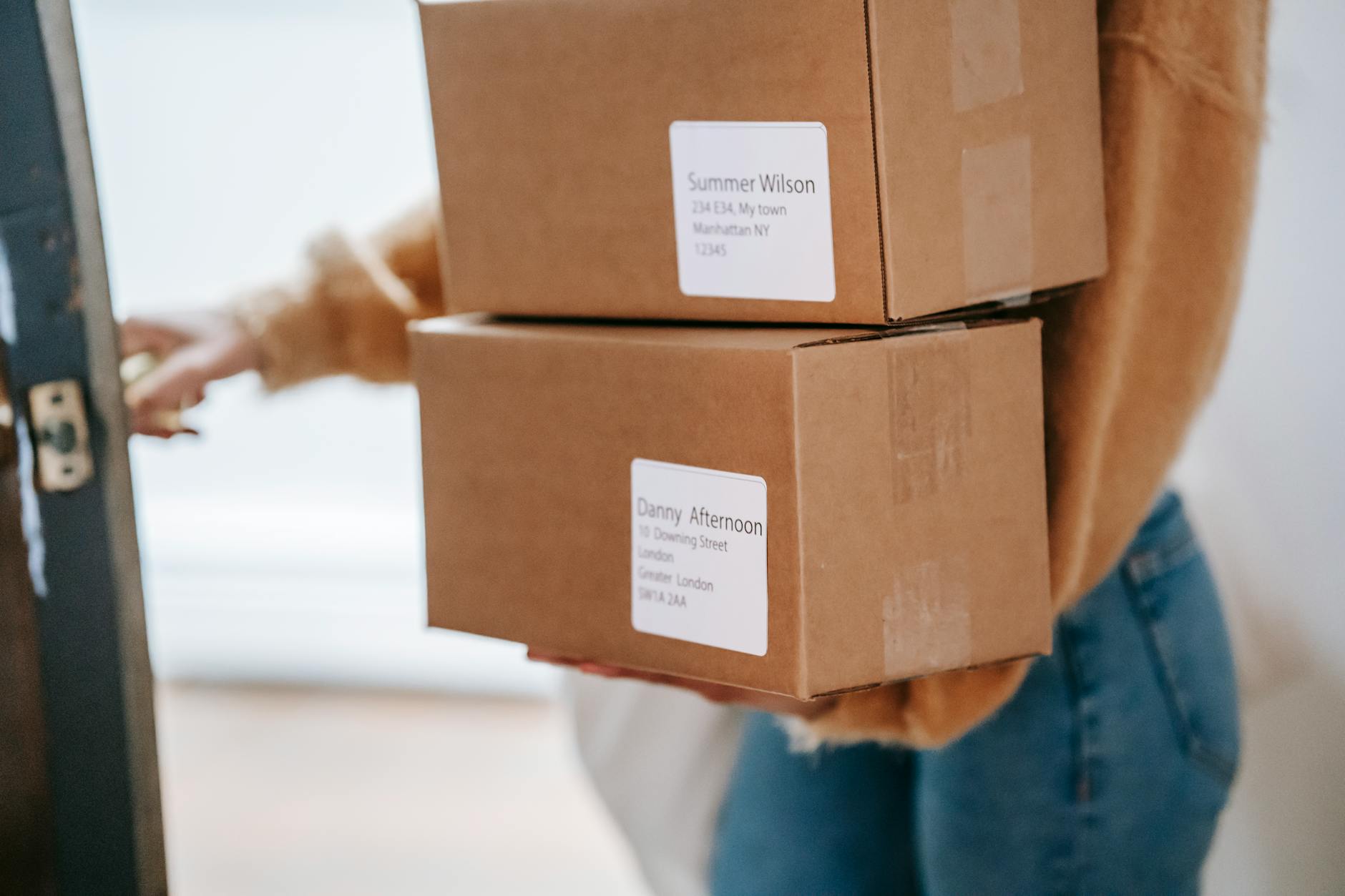
The strongest protection starts with minimizing what you store. Rather than saving every address you’ve ever used, maintain only the addresses you actively need. Delete old addresses from your retailers’ websites and email provider contacts. For addresses you do keep, use a strong unique password for each retail account and enable two-factor authentication. This creates a friction point—even if your address is breached, attackers can’t pivot to other accounts without gaining access to your authentication method.
Consider using alternative address options that major retailers offer. Some services allow package pickup at retail locations instead of home delivery, which keeps your home address out of their records entirely. Privacy-focused email services often provide temporary email addresses or email aliases, adding a layer between your primary email and potentially unsafe retailers. A comparison worth noting: Amazon offers a service for Prime members to designate a pickup location instead of a delivery address, while many smaller retailers don’t offer this option. This creates a tradeoff where convenience (home delivery) directly conflicts with privacy (keeping your address out of more databases).
COMMON MISTAKES THAT EXPOSE YOUR SHIPPING DATA
A frequent mistake is using the same address format across all retailers. This seems minor, but consistency makes it easier for attackers who have compromised one service to identify and match your accounts across others. A warning: never use your current home address when registering for accounts you don’t plan to use long-term. If you need to test a service, use an alternative address if possible, or accept that you’ll receive unwanted mail. Another common error is storing addresses in the browser’s autocomplete feature.
When you access a website on a shared computer, any browser autocomplete data becomes visible to other users or malware. Similarly, syncing your address book across devices without encryption introduces each device as a potential entry point. If your laptop is stolen or infected, your entire address book is compromised. A specific limitation here: most phone operating systems don’t clearly show users which addresses are encrypted when synced to cloud services. Even technologically savvy users often don’t realize their address book is transmitted unencrypted through certain services.

TOOLS AND SERVICES FOR ADDRESS PROTECTION
Several services can help manage address security, though each has limitations. Virtual mailbox services allow you to receive mail at a commercial address rather than your home address, but they add cost and don’t work for all package types. Some services integrate with retailers to generate unique masked addresses for each purchase, so if one address is compromised, attackers don’t immediately know all your shopping locations.
For example, privacy-focused payment services can create unique identifiers for each transaction that don’t reveal your actual address to merchants. Password managers like 1Password and Bitwarden can securely store address information with encryption, keeping it separate from where you’ve actually used the address. The tradeoff is that this creates another database that needs protecting—if your password manager is compromised, so is your address book. This is still preferable to storing addresses in multiple retailer accounts, but it’s not risk-free.
THE EVOLVING LANDSCAPE OF ADDRESS DATA AND PRIVACY
Address protection is becoming increasingly important as e-commerce grows and data brokers accumulate more residential information. Regulatory efforts like GDPR have given European residents stronger rights to request that companies delete their address data, but similar protections are still fragmented in the US. This creates an asymmetry where your protection depends partly on which countries’ regulations cover the companies you do business with.
Looking forward, the rise of smart delivery systems and IoT devices will add another layer of complexity. Packages are increasingly delivered to smart lockers or verified through video, which means companies will accumulate not just address data but video footage and smart device integration. The best long-term strategy is to stay informed about how your data is used, regularly audit which services have your address information, and leverage privacy options as they become available.
Frequently Asked Questions
Is it safe to store my address in my phone’s contacts app?
It depends on your phone’s backup method. If you sync to iCloud, Google, or another cloud service without examining their encryption settings, your addresses may be less protected than if you stored them locally. If your account is compromised, so is your address book. Consider storing frequently used addresses locally only and disabling cloud sync for sensitive contacts.
What should I do if I discover my address in a breach database?
Immediately change passwords for any retail accounts associated with that address, especially if you used the same or similar passwords elsewhere. Watch your credit reports for fraudulent accounts opened in your name. Consider fraud monitoring services if the breach also included financial information. You may also want to file a report with the FTC documenting the breach.
Are virtual mailboxes a good alternative for online shopping?
They reduce home address exposure, but they’re expensive ($10-20+ per month), won’t work for all package types, and they introduce another company that has your information. They’re most valuable for people who receive many packages from new retailers or who are concerned about stalking or theft in their area.
Should I use different addresses for different retailers?
If you have access to legitimate alternative addresses (a workplace, a family member’s address, a pickup location), this adds friction for attackers trying to link your accounts. However, using false addresses risks account suspension or fraud charges. The practical approach is to use alternative legitimate addresses when available and maintain consistent information within each retailer’s system.
How often should I audit which companies have my address?
At minimum twice yearly. When you do this, delete addresses from retailers you no longer use and check your payment methods to ensure no unexpected subscriptions are using old addresses. If you’ve experienced a breach, audit more frequently.
Is it worth paying for address protection services?
Most dedicated address protection services offer limited additional value beyond what you can do yourself with a password manager and regular monitoring. The exception is if you use a virtual mailbox or mail forwarding service for specific addresses that need serious privacy protection.
You Might Also Like
- How to Protect Your LinkedIn Connections Privacy
- How to Protect Your Vendor Contracts Online
- How to Protect Your Transaction Records Online