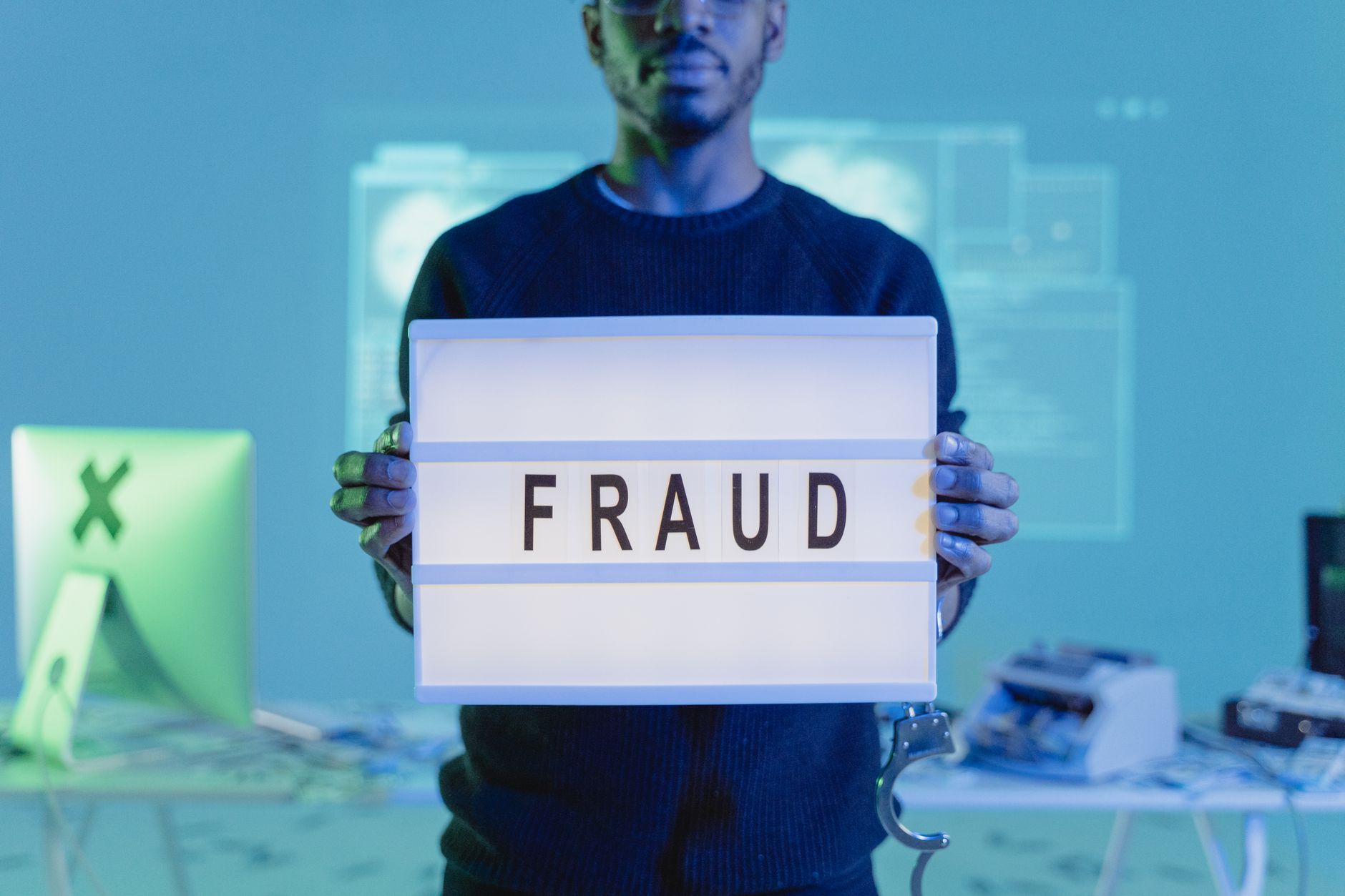
Fake survey scams thrive after data breaches because scammers have real information about you—your name, email, phone number, or past transactions—which they weaponize to make phishing requests seem legitimate. The most effective fake surveys mimic the tone and details of real breach notifications, creating a false sense of urgency and trust. If you’ve been notified of a data breach, scammers are already crafting surveys designed to extract additional personal information, financial details, or login credentials by pretending to be the compromised company or a research firm investigating the breach.
The key to recognizing these scams is understanding that a legitimate company breached in the news does not typically ask you to “verify your information” or “confirm your identity” via survey links. Scammers count on the chaos and concern that follows a major breach announcement. They send emails or texts that reference the breach by name, cite accurate details about what was exposed, and direct you to a survey form that looks almost identical to the legitimate company’s website. These forms capture whatever additional data you enter, creating a second-wave theft opportunity from the same breach.
Table of Contents
- What Scammers Know About Breached Data and Survey Tricks
- Red Flags in Post-Breach Survey Emails and Messages
- Why Your Personal Data Makes You a Target
- Verifying the Legitimacy of a Survey After a Data Breach
- Common Mistakes People Make When Responding to Post-Breach Surveys
- How Scammers Evolve Their Tactics With Newly Exposed Information
- When Legitimate Companies Do Contact You After Breaches
What Scammers Know About Breached Data and Survey Tricks
When a breach occurs, scammers gain the same information journalists and the public learn about—the company name, the type of data compromised, and the number of affected users. This public information becomes the skeleton of a convincing fake survey. A scammer might send an email that says something like “Following the recent data breach at RetailCo, we are conducting a security survey to help affected customers” when no such official survey exists. The scammer is betting that your recent breach notification email is still in your inbox and fresh in your mind, making the fake survey feel contextually relevant.
The sophistication of these scams varies widely. Some are obvious phishing attempts with spelling errors and awkward phrasing. Others are polished, with professional-looking logos, official-sounding language, and links that go to domains only slightly different from the real company’s (such as retailco-survey.com instead of retailco.com). One common variation sends a survey claiming to be from a third-party security firm hired to “audit affected customers’ accounts”—a claim that’s nearly impossible for most people to verify quickly, which is precisely why scammers use it.
Red Flags in Post-Breach Survey Emails and Messages
A legitimate company responding to a breach will rarely ask you to click a link and fill out a survey to “verify your account.” This is a hard red flag. Real companies may send notifications asking you to reset your password directly on their secure website (which you navigate to yourself, not via a link), or they may provide a dedicated support phone number for questions. If an email says “Click here to complete the mandatory security survey,” the word “mandatory” combined with a link is almost always a scam indicator. Legitimate breach notifications typically direct you to the company’s website or app to take action, or they ask you to call a specific verified phone number.
Another warning sign is urgency paired with vagueness. A fake survey email might say “Act within 24 hours to protect your account” but then ask you to provide information the breach allegedly already exposed—like your full Social Security number, credit card details, or mother’s maiden name. A real company already has this data from your account; they would never ask you to re-enter it via a survey. The limitation here is that some people conflate urgency with legitimacy and feel pressured to respond without thinking. If a survey is real, waiting a few hours to verify it will not harm your account, but clicking a scam link immediately could compromise multiple accounts.
Why Your Personal Data Makes You a Target
A breach that exposes your email address, phone number, and purchase history makes you a specific target for tailored scams, not a generic spam recipient. Scammers can craft emails that reference your real transaction history (“We noticed you purchased electronics in March”) or use details from your leaked profile to build rapport. After the Target breach in 2013, which exposed payment card data and customer names, scammers sent follow-up emails referencing Target specifically and directing people to “verify payment methods.” The real Target notification didn’t ask for verification via email; the fake ones did.
This specificity—mentioning real details from the breach—is what separates an effective post-breach scam from a generic phishing email. The psychological angle is important: you expect to hear from the company whose servers were compromised, so a scam that arrives during the immediate confusion following a breach announcement exploits that expectation. A scammer sending a survey about “the recent breach affecting millions of customers” knows that millions of people are actively looking for official communications about that same breach. Your heightened attention to breach-related emails is exactly what makes you vulnerable during this window.
Verifying the Legitimacy of a Survey After a Data Breach
The most reliable verification step is to ignore links in the email or text and instead navigate directly to the company’s official website using a browser. Type the company’s domain name yourself—do not click a link in the email—and look for an official statement about the breach. Real companies post breach notifications prominently on their website, often with a dedicated landing page. They may list specific actions they are taking and what they are asking customers to do. If the company is offering a survey or asking for additional information, that information will be on their official website, not in an unexpected email asking you to click a link.
Calling the company directly is another strong verification method, though it requires finding the right phone number. Look for the customer service number on an official receipt or bill, or search for the company’s main customer support line using a search engine (not a number provided in the suspicious email). When you call, ask directly whether they are conducting a security survey and whether the link in your email is legitimate. The tradeoff is that this approach takes time and may involve waiting on hold, but it provides certainty that an email verification cannot. Some companies now provide a dedicated breach hotline number on their official website.
Common Mistakes People Make When Responding to Post-Breach Surveys
Many people assume that any email mentioning a real breach they heard about must be legitimate, especially if the details are accurate. This is a dangerous assumption. Just because an email correctly names the breached company and accurately describes what was exposed does not mean the email came from that company. Scammers do basic research; they read the same news articles you do. A common error is scanning an email quickly, seeing the company name you recognize, and clicking the survey link without reading the full email address it came from.
A fake sender address might be something like “[email protected]” or “[email protected]”—domains that sound official but are not owned by the real company. Another frequent mistake is providing information that a legitimate survey would never ask for. If a survey requests your full Social Security number, your mother’s maiden name, or your current password, it is almost certainly a scam. A legitimate company conducting a post-breach assessment may ask demographic questions or whether you noticed suspicious activity, but they will not ask you to re-enter sensitive data you already gave them during signup or previous transactions. The warning here is that some people feel obligated to “help” the company by filling out a survey, believing it is part of the company’s response effort. This sense of obligation is what scammers exploit.
How Scammers Evolve Their Tactics With Newly Exposed Information
As breach data circulates in criminal underground markets, scammers refine their approach with additional details. If a breach exposed not just email addresses and names but also account types or transaction amounts, a follow-up scam might reference these specifics. For example, after a major retailer breach that exposed customer names, addresses, and purchase dates, scammers began sending surveys that said “Confirm your purchase of [item] made on [date]” before asking for payment method verification.
This level of detail makes the scam feel personal and targeted rather than generic, and it significantly increases the likelihood that someone will engage with the survey. Scammers also use the initial breach notification period to harvest additional information that enables future attacks. A fake survey after Breach A might capture data that becomes the foundation for a more sophisticated scam after Breach B. For instance, a survey might ask for your recovery email address or your preferred payment method—information that can be used to reset accounts on other platforms or to impersonate you in future scams.
When Legitimate Companies Do Contact You After Breaches
Real breach notifications from legitimate companies typically come from the company’s official communication channels that you have previously interacted with. If you have a login account with the company, they may alert you via a message in your account portal or via the email address registered to your account. If you receive a notification via email, the sender address will be directly from the company’s main domain (such as [email protected]), not from a subdomain or service domain that sounds related.
Real notifications often provide a reference number or case ID that you can use to verify the notification by calling the company’s main customer service line. Legitimate companies may ask you to reset your password as a precautionary measure, and they will direct you to do so by logging into your account on their website (which you navigate to yourself). They may inform you of free credit monitoring services they are offering, but they will provide instructions for enrollment through official channels, not via clickable survey links. When a real company needs to gather additional information from customers following a breach, they typically do so through secure login portals that require you to verify your identity, not through generic survey forms accessible to anyone with the link.
- —
You Might Also Like
- How to Recognize Fake Login Pages After Breaches
- What Information Do Survey Platform Breaches Expose
- Best Security Practices for Email Accounts