Cybersecurity Trust Architecture Standards Adopted by Federal Agencies in 2025

Federal agencies adopted Zero Trust security architecture as mandatory standard, requiring identity verification for every user and device regardless of network location.
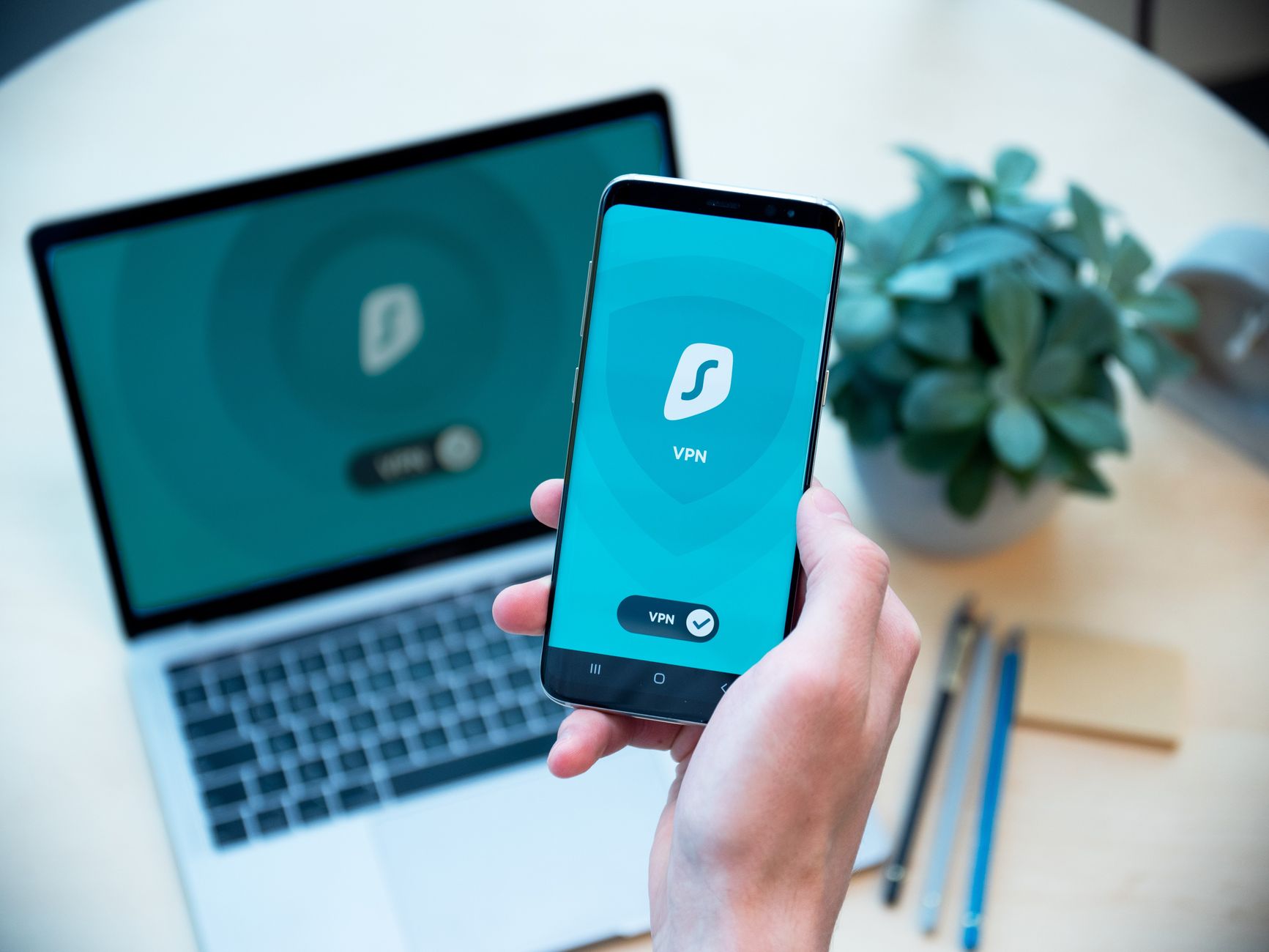
Tips to protect your data and privacy

Federal agencies adopted Zero Trust security architecture as mandatory standard, requiring identity verification for every user and device regardless of network location.

College consultants promise shortcuts to elite admissions. Here's how to identify the ones who are stealing money instead.

Research data breaches trigger immediate regulatory notification requirements and multi-month containment efforts—here's what institutions and researchers must do.

Hackers breached a third-party vendor handling Texas hunting licenses, exposing 3 million individuals' driver's licenses and passport numbers.

LastPass exposed 1.6 million users' personal data, but kept passwords encrypted—here's what actually happened and what's still at risk.

Data collection security begins with not collecting unnecessary information in the first place—then protecting what you do collect through encryption, access control, and regulatory compliance.

Poll platforms collect far more data than your answer: your IP address, device fingerprint, and even voting patterns remain vulnerable to breaches and re-identification.

Customer feedback systems face rising data breach risks—here's how to protect the sensitive information your customers trust you with.

Your form submission appeared successful, but attackers often make compromises invisible—learn how to detect the warning signs before your data is stolen.

Form submission data is a prime target for attackers, but layered defenses can protect it from breach.