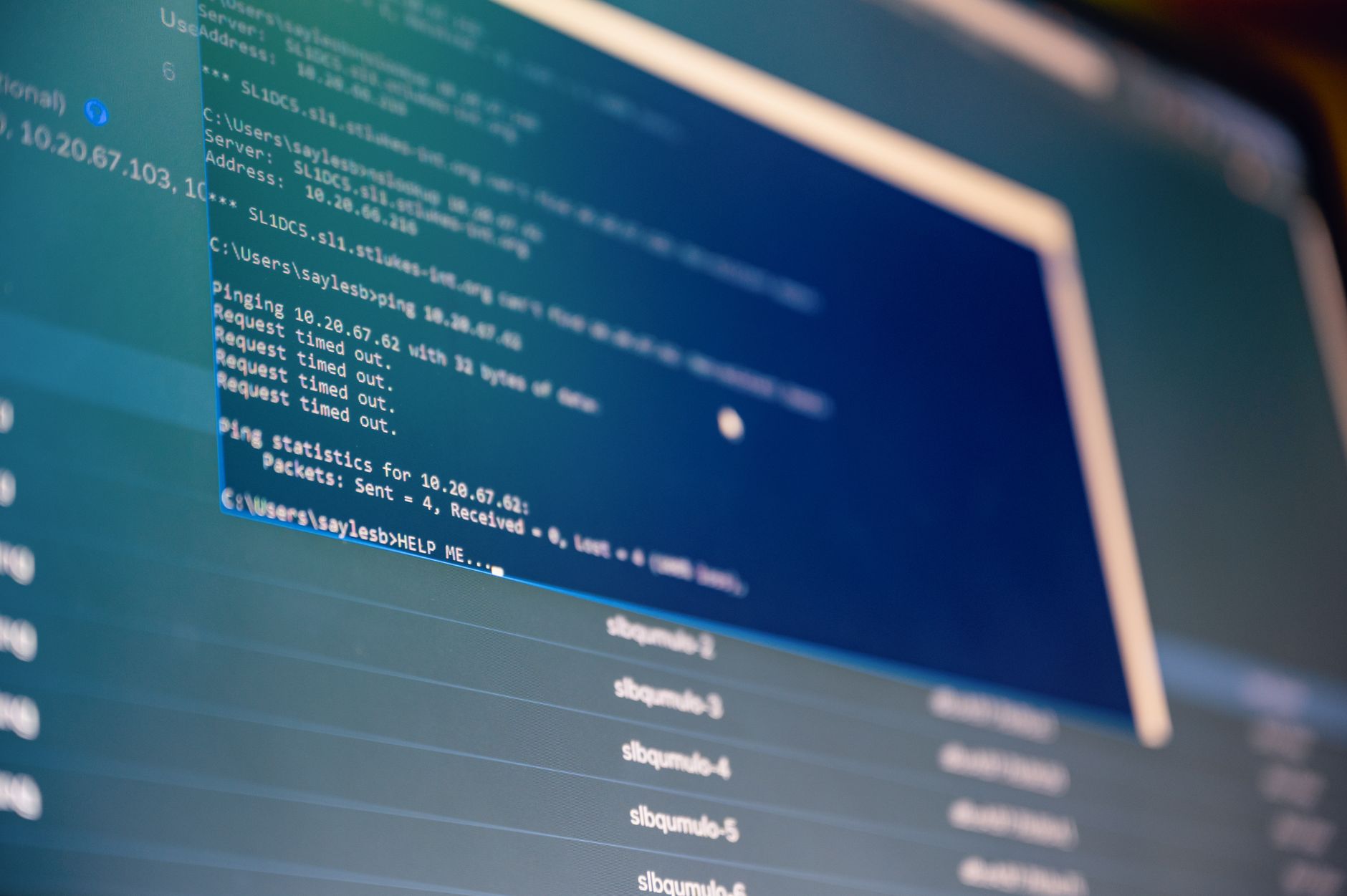
File-locking malware represents one of the most disruptive threats to industrial manufacturers, as demonstrated by attacks targeting major automotive producers. These attacks encrypt critical production files and systems, then demand ransom payments before releasing decryption keys—effectively halting manufacturing operations until victims comply or recover from backups. When such malware targets manufacturers like motorcycle producers, the consequences extend beyond the targeted company to affect their suppliers, distributors, and customers worldwide.
The mechanics of these extortion schemes are straightforward but devastatingly effective. Attackers gain initial network access through phishing emails, unpatched vulnerabilities, or compromised credentials, then deploy file-locking malware across critical systems. Manufacturing environments prove particularly vulnerable because production systems often prioritize availability and uptime over security segmentation, leaving them exposed once an attacker achieves lateral movement within the network.
Table of Contents
- How File-Locking Malware Targets Motorcycle Manufacturers
- The Limitations of Recovery and the Backup Gamble
- Real-World Impacts on Supply Chain and Production
- Why Detection and Prevention Remain Imperfect
- The Negotiation Trap and Incomplete Recovery
- Industrial Control System Vulnerabilities
- The Absence of Viable Insurance Solutions
- Frequently Asked Questions
How File-Locking Malware Targets Motorcycle Manufacturers
File-locking malware, commonly known as ransomware, spreads through manufacturing networks with particular success because these environments rely on interconnected systems for production scheduling, inventory management, and quality control. A single compromised workstation can provide attackers with a foothold to identify and encrypt files across shared drives, databases, and backup systems. Manufacturing companies store blueprints, production schedules, supplier contracts, and design specifications in networked file systems—making them high-value targets for encryption and extortion.
Manufacturers face exceptional pressure to pay ransoms because production downtime costs exceed ransom demands. A motorcycle manufacturer unable to access manufacturing schedules or CAD files cannot sustain production for hours or days. Unlike retail companies that might close temporarily, a manufacturing shutdown cascades through supply chains: dealers cannot receive shipments, retailers cannot sell finished products, and component suppliers lose orders. This urgency makes manufacturers statistically more likely than other industries to negotiate with attackers.
The Limitations of Recovery and the Backup Gamble
Victims of file-locking malware theoretically have two options: pay the ransom or restore from backups. However, this choice presents a dangerous false equivalency. Backups only work if they exist, were not encrypted alongside production systems, and contain recent enough data to resume operations. Many manufacturers discover during an attack that their backups are either stale, corrupted, or stored on systems that attackers already compromised.
A backup strategy that mirrors production system architecture—where backups connect to the same network and use the same file protocols—offers no protection against ransomware that encrypts everything it can reach. The assumption that law enforcement or security firms can decrypt files without a ransom key is misleading. No decryption backdoor exists for modern encryption schemes used by sophisticated malware. Recovery from backups can take weeks or months for large manufacturing operations, during which production remains halted. A motorcycle manufacturer needing to restart production faces a stark choice: attempt time-consuming recovery with incomplete data, or negotiate a ransom payment that might return functionality within hours.
Real-World Impacts on Supply Chain and Production
Manufacturing disruptions ripple outward unpredictably. A motorcycle manufacturer’s shutdown affects component suppliers who depend on orders, dealerships who cannot receive inventory, and customers who cannot purchase new models. Supply chain partners lack visibility into when production will resume, creating planning chaos across the entire ecosystem. Some suppliers with limited cash reserves may struggle to sustain operations during extended production halts at their major customers.
The theft of design files and manufacturing specifications compounds the damage. Attackers routinely copy sensitive data before encrypting it, then threaten to sell the data on criminal marketplaces or leak it to competitors if the victim fails to pay within a deadline. A motorcycle manufacturer’s proprietary designs, engineering specifications, and production processes represent years of investment. Even if the company pays to recover encrypted files, the underlying intellectual property may already be compromised.
Why Detection and Prevention Remain Imperfect
Standard cybersecurity tools struggle to detect file-locking malware during the initial stages of infection because the malware often behaves similarly to legitimate software during lateral movement and reconnaissance. Antivirus systems rely on signature detection—matching known malware patterns—but attacks using newly developed variants bypass these defenses. A manufacturing environment running dozens of different systems, control software, and legacy applications creates complexity that attackers can exploit; defenders cannot monitor every connection and process without disrupting production.
Network segmentation theoretically isolates critical systems so that a breach in one area cannot spread to others. In practice, manufacturing networks resist segmentation because production depends on constant data flow between planning systems, manufacturing execution systems, and factory floor equipment. A manufacturer attempting to isolate production networks may inadvertently disable just-in-time scheduling or real-time quality monitoring. The tradeoff between security isolation and operational efficiency often favors operational efficiency, leaving networks vulnerable.
The Negotiation Trap and Incomplete Recovery
Organizations paying ransoms often believe they have solved the problem, but decryption keys provided by attackers frequently leave systems partially corrupted or inaccessible. Decryption can fail for certain files, databases may have integrity problems after decryption, and decryption processes sometimes take longer than anticipated. A motorcycle manufacturer might regain access to encrypted files only to discover that months of recent transaction data was corrupted during encryption, requiring forensic recovery or data reconstruction.
Payment itself carries operational risks that victims rarely anticipate. Ransoms are paid to criminal groups with no legal recourse or customer service guarantees. The attackers have no incentive to provide complete decryption keys, to avoid corrupting files during decryption, or to delete stolen data as promised. Law enforcement investigations sometimes discover that attackers asked for higher ransom payments in follow-up extortion attempts after victims paid initial demands, using insider information about the company’s resilience and cash availability gained during the first negotiation.
Industrial Control System Vulnerabilities
Manufacturing systems operating on factory floors use different security models than traditional IT infrastructure. Programmable logic controllers, SCADA systems, and industrial computers often run outdated software that cannot be easily patched without halting production.
File-locking malware that penetrates IT networks can sometimes access these industrial systems through gateway devices, rendering equipment unable to run updated programs or accept new configuration data. Motorcycle manufacturers relying on automated assembly lines face compounded downtime when both planning systems and production floor equipment become inaccessible simultaneously.
The Absence of Viable Insurance Solutions
Cyber insurance policies frequently exclude coverage for ransom payments in jurisdictions where ransom payment is legally restricted, or cap coverage at amounts far below the actual ransom demands in sophisticated attacks. A motorcycle manufacturer expecting insurance to reimburse ransom payments may discover that policy exclusions, waiting periods, or deductibles eliminate coverage. Additionally, insurance companies are increasingly demanding proof of security controls before agreeing to cover ransomware incidents, which creates an impossible timeline during active attacks.
- —
Frequently Asked Questions
If a manufacturer pays a ransom, are the files guaranteed to be decrypted?
No. Attackers have no legal obligation to provide working decryption keys or to avoid corrupting files during decryption. Many organizations discover incomplete recovery or data integrity problems after paying.
Why don’t antivirus tools prevent these attacks?
Modern file-locking malware often uses encryption techniques and behaviors that bypass signature-based detection. Attackers also frequently customize malware for specific targets, creating unique variants that security tools have never seen before.
Can manufacturing companies just restore from backups without paying ransom?
Only if backups are isolated from production networks, regularly tested, and recent enough to resume operations. Many manufacturers discover during attacks that their backup systems were either compromised alongside production systems or unable to restore quickly enough to prevent major losses.
What makes manufacturers more vulnerable than other industries?
Production systems are often interconnected for operational efficiency, leaving them exposed to lateral movement by attackers. Manufacturing downtime is extremely costly, creating strong financial pressure to pay ransom quickly rather than attempt time-consuming recovery.
Does cyber insurance cover ransom payments?
Coverage varies widely and is increasingly restricted. Many policies exclude ransom payment coverage, cap it at amounts below actual demands, or require proof of specific security controls before agreeing to coverage.
You Might Also Like
- LastPass compromised through Klue supply chain attack hundreds firms affected
- Hotels Face Organized Phishing Attack Delivering Node.js Malware via Compressed Images
- How Hackers Crippled Jaguar Land Rover Production in Multi-Billion Attack