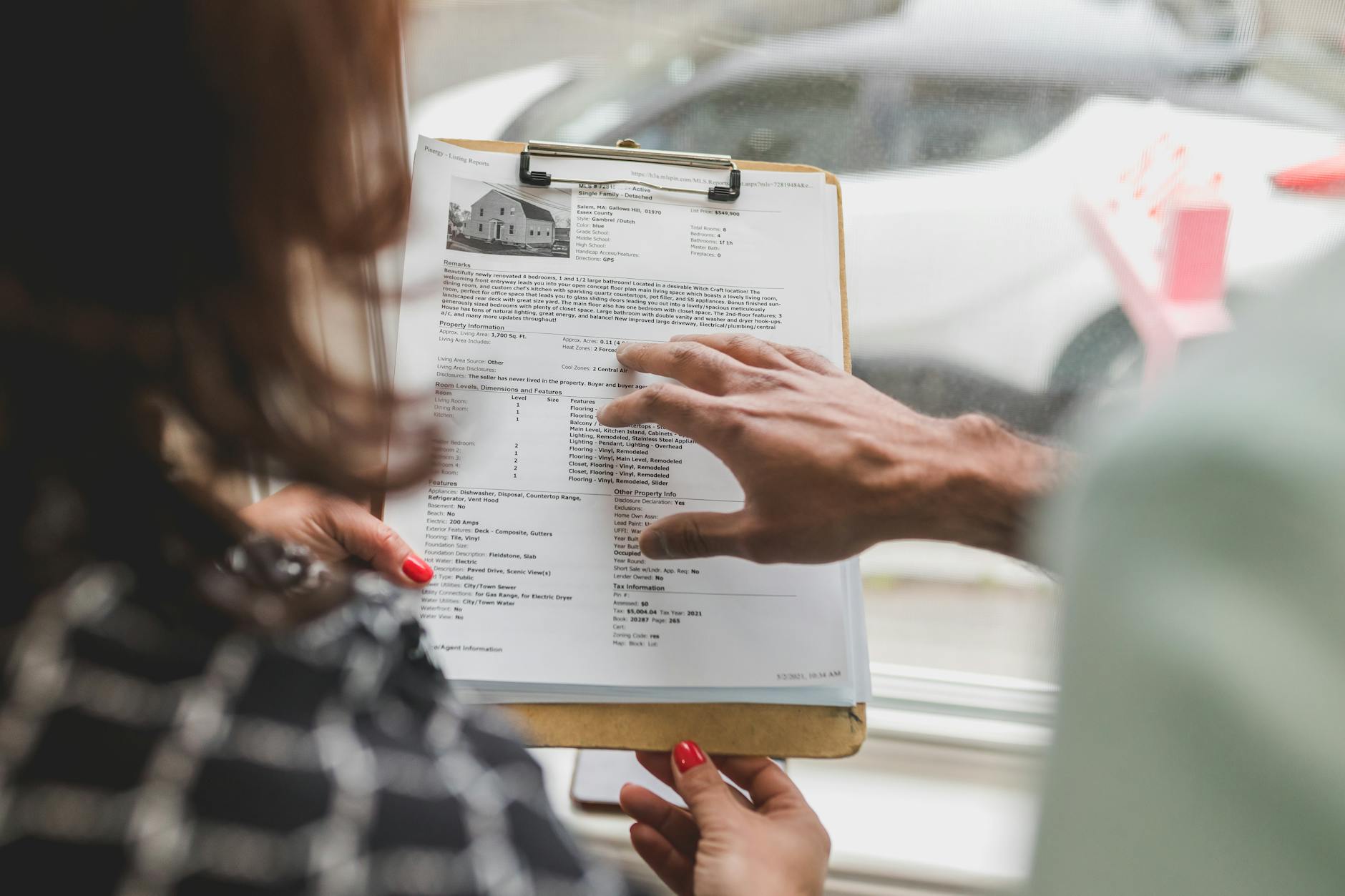
Protecting your property deed information means actively securing the documents and records that prove your ownership of real estate, and preventing unauthorized access to the personal details they contain. Property deeds are treasure troves of sensitive information—your full name, current and previous addresses, mortgage details, and often your Social Security number—making them prime targets for identity thieves, fraud schemes, and criminal opportunists.
In 2023, thousands of homeowners discovered fraudulent transfers of their property after criminals obtained deed copies and falsified ownership documents, sometimes discovering the theft only when they tried to refinance or sell. The most effective protection strategy combines three approaches: limiting who can access your deed information, monitoring for unauthorized use, and knowing exactly where your deed is stored and how it’s protected. This requires understanding the risks specific to property deeds, the vulnerabilities in how they’re stored, and the concrete steps you can take starting today.
Table of Contents
- Who Can Access Your Property Deed and What Information It Reveals
- The Risks of Deed Fraud and Deed Theft
- How Criminals Obtain and Misuse Your Deed Information
- Practical Steps to Secure Your Deed Information and Monitor for Misuse
- The Risks of Title Company Breaches and Third-Party Access to Your Deed
- Protecting Your Address Privacy and Limiting Deed Accessibility
- Future Outlook and Blockchain-Based Deed Records
Who Can Access Your Property Deed and What Information It Reveals
Your property deed is a public record in every U.S. state, meaning any person or organization can legally request a copy from your county assessor’s or recorder’s office—usually for a small fee of $5 to $30. This openness is intentional; property records serve important functions for title companies, lenders, and legitimate buyers. However, this accessibility creates a surveillance problem.
Anyone from scammers to data brokers to your nosy neighbor can obtain a complete copy of your deed, which typically includes your full name, property address, sometimes your telephone number, and frequently a copy of your driver’s license or other identification documents. Some counties have moved deed copies online with searchable databases, eliminating the need to visit a courthouse in person, making the information even easier to access at scale. The difference between a deed being a public record and your personal information being secure lies in understanding what happens *after* someone obtains it. A title company needs your deed to verify ownership; a title company employee with access to thousands of deeds may also have unencrypted databases that can be breached. A data broker who buys your deed information can then cross-reference it with leaked password databases or other personal information to construct a fuller profile of you, which is then sold to other entities.

The Risks of Deed Fraud and Deed Theft
Deed fraud is a specific category of identity theft where criminals use a stolen or forged deed to transfer property ownership without your knowledge. A common scenario involves a scammer using your deed information to create fraudulent transfer documents, often with notary stamps forged or obtained corruptly. They then file these documents with your county recorder, establishing what appears to be a legal claim to your property. Some victims have only discovered the fraud months or years later, when attempting to sell or refinance and encountering title issues that require expensive litigation to clear.
One homeowner in Ohio spent over $40,000 in legal fees to reclaim his property after a criminal filed a false deed in his name. A critical limitation of current protections is that even if you discover deed fraud immediately, remedying it is slow and costly. County recorders accept documents for filing based on a relatively simple submission process; they do not verify ownership before recording. Once a fraudulent deed is recorded, you must hire an attorney, file a lawsuit against the recorded transfer, and prove the document is fraudulent—a process that can take months even with clear evidence. This means prevention is far more valuable than remediation.
How Criminals Obtain and Misuse Your Deed Information
Criminals acquire deed information through multiple channels. Some purchase it from data brokers who aggregate public records into searchable databases. Others obtain it directly from county websites or by visiting courthouses. Some target specific high-equity properties by searching online deed records themselves, looking for properties in desirable areas where a fraudulent transfer might go unnoticed temporarily.
Still others combine deed information with leaked credentials from password breach databases—if your deed shows your full name and address, and that address appears in a breached password list, a criminal can attempt account takeovers on other sites using that email. A real example involves the 2021 case of a homeowner in Florida whose property address and name were extracted from county deed records, combined with her email from a LinkedIn breach, and used to attempt account takeovers on her bank and mortgage provider websites. The attacker knew the property address and could answer security questions, narrowly failing only because the bank required a phone call confirmation the victim noticed. Without that call, the attacker could have potentially obtained mortgage refinancing in her name, creating false debt against the property.

Practical Steps to Secure Your Deed Information and Monitor for Misuse
Start by obtaining a copy of your own deed—visit your county recorder’s website or office and request a copy for your records. This serves two purposes: you’ll know exactly what information is publicly available about your property, and you’ll have a baseline document to compare against if you suspect fraud. Store this copy in a secure location, preferably a safe or safe deposit box, not simply in a home office where it can be photographed during a break-in or taken during a mail theft. Next, place a Property Deed Alert or Property Title Monitoring service on your deed if your county offers one.
Some counties provide this as a free service that notifies you if any documents are filed against your property. The limitation is that not all counties offer this service, and some that do require you to opt in actively rather than providing it by default. Alternatively, paid title monitoring services like Safeguard, Property Shark, or your title insurance company may offer deed monitoring as part of their service packages. The tradeoff: free county alerts are limited to your specific property, while paid services often include broader identity theft monitoring but cost $100-$300 annually.
The Risks of Title Company Breaches and Third-Party Access to Your Deed
Your deed information doesn’t remain solely in county files. When you obtained a mortgage, a title company conducted a title search and obtained your deed. That title company likely stores digital copies of thousands of deeds in databases that may or may not be as secure as they should be. Breaches of title companies and real estate databases have exposed deed information and related documents to unauthorized parties.
In 2020, a breach of a title company database exposed over 300,000 property records, including deed information, mortgages, and personal details. The critical warning is that you have limited visibility into how third parties protect your deed information. You cannot easily audit title companies, mortgage servicers, or tax assessors for security practices. Your only realistic protection is to monitor your credit and property records regularly, and to place fraud alerts or a credit freeze on your accounts, which limits the damage an attacker can cause even if they access your full deed information.

Protecting Your Address Privacy and Limiting Deed Accessibility
If your state or county allows homestead exemptions or offers privacy protection programs for certain property owners (such as domestic violence victims or law enforcement), investigate whether you qualify. Some states allow you to request that your residential address be removed from publicly available deed databases, replacing it with a P.O. box or care-of address instead. This is a more robust protection than monitoring, as it prevents the address exposure in the first place.
For example, Florida offers a homestead property tax exemption that provides some privacy, and Texas allows certain property owners to request address confidentiality. Texas law allows peace officers, judges, and certain other officials to use an alternative address on property records. The limitation is that these programs are often restricted to specific categories of people; most homeowners cannot use them. Even if available, they typically don’t remove your address from already-recorded deeds—only from future filings.
Future Outlook and Blockchain-Based Deed Records
Many states and property management organizations are exploring digital deed recording systems and blockchain-based property records that could improve both security and verification. The potential benefit is that a blockchain-based system could create an immutable record of deed transfers with strong cryptographic verification, making forged deeds detectable immediately.
However, moving property records to blockchain introduces new risks around private key management, system access, and the question of how “digital deeds” would be legally recognized if private keys are lost or compromised. As it stands today, the property deed system remains largely analog despite digital components, and improvements in security remain slow. Your best protection is to remain proactive in monitoring and controlling access to your deed information now, rather than waiting for systemic improvements that may take years to implement.
You Might Also Like
- How to Protect Your Wire Transfer Information
- How to Protect Your W2 Information From Theft
- How to Protect Your Lawsuit Settlement Information