

Protecting your subscription service accounts requires a layered security approach: use unique, strong passwords for each service, enable two-factor authentication wherever available, monitor your accounts for unauthorized access, and regularly audit which services have your payment information stored. The average person now maintains between 12 and 15 active subscriptions, from streaming platforms to software tools to meal delivery services, and each one represents a potential entry point for attackers who can drain funds, steal personal data, or pivot to more valuable accounts. When a Disney+ credential stuffing attack in 2019 compromised thousands of accounts within hours of the service’s launch, many victims discovered their accounts had been sold on dark web marketplaces for as little as three dollars””demonstrating how quickly subscription accounts become commodities for criminals.
This vulnerability exists because subscription services store a combination of valuable data: payment methods, personal information, viewing or usage histories, and email addresses that can be exploited for further attacks. Beyond the immediate financial risk, compromised subscription accounts often serve as reconnaissance tools, revealing password patterns and security question answers that attackers use against banking or email accounts. This article covers the specific technical steps to secure your accounts, how to recognize when an account has been compromised, the limitations of various protection methods, and how to respond when a subscription service itself suffers a data breach.
Table of Contents
- Why Are Subscription Service Accounts Targeted by Hackers?
- Strong Password Practices for Subscription Account Security
- How Two-Factor Authentication Prevents Subscription Account Takeovers
- Monitoring Your Subscription Accounts for Unauthorized Access
- Managing Payment Information Across Subscription Services
- What to Do When a Subscription Service Announces a Data Breach
- Recognizing Phishing Attempts Targeting Subscription Accounts
- The Future of Subscription Account Security
- Conclusion
Why Are Subscription Service Accounts Targeted by Hackers?
Subscription accounts attract attackers for reasons that go beyond their face value. A Netflix or Spotify account might seem like a minor target, but these accounts provide immediate utility to criminals: they can be resold, used to launder money through gift card purchases, or mined for personal information that enables more lucrative attacks. The credentials themselves often work across multiple services because users frequently reuse passwords, making a five-dollar streaming account the key to a bank account using the same email and password combination. The business model of subscription services creates inherent security tensions. Companies want frictionless sign-up and login experiences to reduce customer churn, which often means less aggressive security measures.
Many services allow unlimited login attempts, don’t require email verification for password changes, or let users access accounts from any device without additional verification. Compare this to banking applications, which typically lock accounts after three failed attempts and require out-of-band verification for new devices. The 2022 breach of password manager LastPass illustrated this cascading risk: attackers who obtained encrypted password vaults could potentially access dozens of subscription services per victim, each containing payment data and personal information. Services with family or multi-user plans face additional exposure. When you share access with household members, you multiply the attack surface””each person’s device, password practices, and susceptibility to phishing becomes a potential vulnerability. Some services like YouTube Premium allow up to five family members, meaning five different people might be entering the account credentials on devices with varying security postures.

Strong Password Practices for Subscription Account Security
The foundation of subscription account security remains password hygiene, but the specific implementation matters more than generic advice suggests. Each subscription service should have a unique password of at least 16 characters, generated randomly rather than based on memorable patterns. Password managers like Bitwarden, 1Password, or KeePass eliminate the cognitive burden of remembering dozens of complex passwords while ensuring no two services share credentials. When the Spotify breach of 2020 exposed user credentials, accounts using unique passwords remained isolated incidents rather than dominos that toppled other services. However, password managers introduce their own risk calculus.
If your password manager is compromised””as happened with LastPass””attackers potentially gain access to everything simultaneously. This doesn’t mean avoiding password managers; the alternative of reusing passwords or using weak memorable passwords creates far greater aggregate risk. The mitigation is ensuring your password manager itself has the strongest possible protection: a high-entropy master password you don’t use anywhere else, two-factor authentication, and if your manager offers it, additional encryption keys stored separately from your master password. Password strength requirements vary wildly across subscription services, and some actively limit security. Certain services cap password length at 16 or even 12 characters, while others prohibit special characters. When you encounter these limitations, maximize what’s available””a 12-character random password still defeats most credential stuffing attacks, which rely on common passwords and previously breached credentials rather than brute force attempts against random strings.
How Two-Factor Authentication Prevents Subscription Account Takeovers
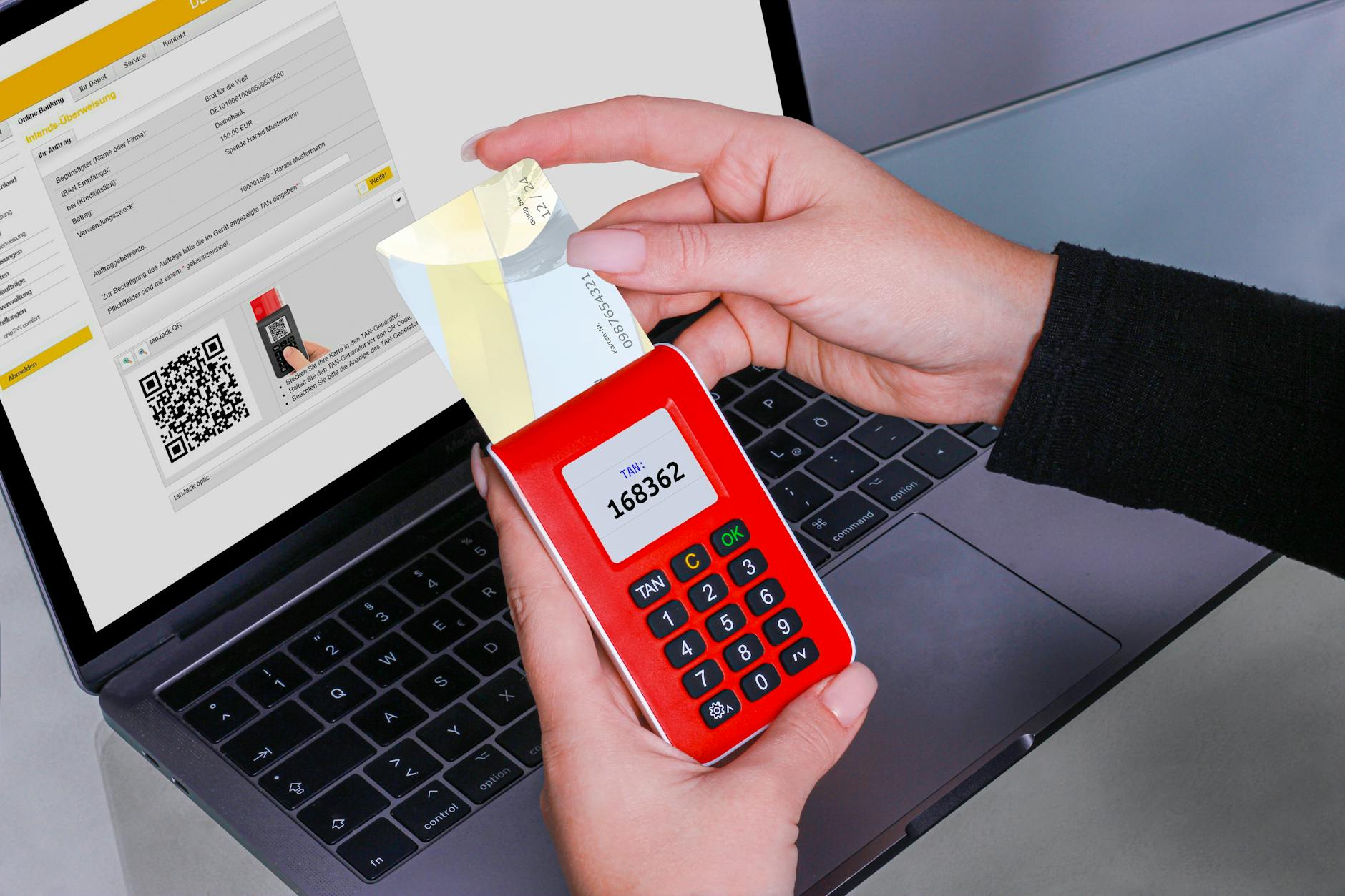
Two-factor authentication adds a verification requirement beyond passwords, typically something you have””a phone generating codes or a hardware key””alongside something you know. For subscription services, enabling 2FA through an authenticator app like Google Authenticator, Authy, or Microsoft Authenticator provides meaningful protection against credential stuffing and password theft. Even if attackers obtain your password through a phishing site or data breach, they cannot access the account without the second factor. Studies from Google and Microsoft indicate that 2FA blocks over 99 percent of automated attacks. The type of 2FA matters considerably. SMS-based verification, while better than nothing, remains vulnerable to SIM swapping attacks where criminals convince your carrier to transfer your phone number to their device.
This attack vector has been used extensively against cryptocurrency holders but applies equally to any account using SMS verification. Authenticator apps don’t transit through cellular networks and cannot be intercepted through carrier-level attacks. Hardware security keys like YubiKey provide the strongest protection, as they require physical possession and are resistant to phishing””the key only responds to legitimate domain requests. Not all subscription services offer robust 2FA options, and some major platforms have been slow to implement it at all. As of 2024, several prominent streaming services still don’t offer any form of two-factor authentication, leaving passwords as the sole protection layer. When evaluating subscription services, their security options should factor into your decision alongside price and content. For services without 2FA, compensate by using an especially strong unique password and monitoring the account more frequently for unauthorized access.
Monitoring Your Subscription Accounts for Unauthorized Access
Active monitoring catches compromises that preventive measures miss. Most subscription services send email notifications for new device logins, password changes, and payment method updates””ensure these notifications go to an email account you check regularly and haven’t filtered into a spam folder. When Hulu accounts were being compromised at scale in 2018, users who noticed immediate email notifications about profile changes were able to lock out attackers before payment methods were exploited. Review your account activity and connected devices monthly. Streaming services typically show recently watched content and active sessions; if you see viewing activity you don’t recognize or devices logged in from unfamiliar locations, assume compromise and change your password immediately.
Services like Netflix and Spotify allow you to sign out all devices remotely, which should be your first action when you suspect unauthorized access. Check your payment history for unexpected charges, including small test transactions that criminals sometimes run before making larger purchases. Set up alerts with your payment card issuer for subscription charges. Many banks allow transaction alerts for recurring payments or charges from specific merchants. This creates an external monitoring layer that catches unauthorized charges even if attackers have also compromised your email and are deleting notification messages. Credit monitoring services can also alert you when new subscription accounts are opened using your identity, which represents a different attack vector””synthetic identity fraud using your personal information rather than account takeover.
Managing Payment Information Across Subscription Services
Every subscription service storing your payment card creates another potential breach exposure point. Consider using virtual card numbers, offered by services like Privacy.com or built into some credit cards, which let you create unique card numbers for each subscription. If a service is breached, you can disable that specific virtual card without affecting other subscriptions or needing to update payment information across dozens of services. Capital One’s Eno and Citi’s virtual account numbers provide similar functionality through major credit card issuers. The tradeoff with virtual cards involves convenience and coverage. Some services reject virtual card numbers, particularly those that verify identity through card details.
Virtual cards also add complexity when you need to dispute charges or when subscriptions fail due to expired virtual numbers. PayPal offers a middle ground for supported services””your actual card details remain with PayPal rather than each individual subscription service, concentrating your exposure to a single well-protected entity rather than spreading it across dozens of smaller companies with varying security practices. Regularly audit which services have your payment information stored. Many people forget about free trial signups that converted to paid subscriptions or services they no longer use but never cancelled. Each dormant account with stored payment data represents unnecessary risk. Services like Trim or Truebill can identify recurring subscriptions, but manual review of your credit card and bank statements provides the most complete picture. Cancel unused subscriptions and remove payment methods from services you’ve downgraded to free tiers.

What to Do When a Subscription Service Announces a Data Breach
When a subscription service you use announces a breach, your response should match the scope of exposed data. If only email addresses were compromised, expect increased phishing attempts and be skeptical of emails apparently from that service for months afterward. If passwords were exposed””even in hashed form””change your password immediately for that service and any other service where you used the same password. If payment information was exposed, contact your card issuer to request a new card number and monitor statements for fraudulent charges. The 2021 Twitch breach exposed encrypted passwords and partial payment information, requiring users to take multiple concurrent protective actions. Don’t rely solely on the company’s breach notification for guidance.
Breach disclosures often minimize exposure scope initially, with the full extent emerging weeks or months later. Equifax’s 2017 breach initially appeared limited to 143 million people but eventually expanded to 147 million, with additional exposed data categories revealed over time. Assume the worst reasonable interpretation of any breach announcement and protect accordingly. Check haveibeenpwned.com and similar breach notification services to understand which of your accounts have appeared in known data breaches. This free service aggregates breach data and lets you search by email address to see which breaches include your information. Setting up notifications for your email addresses provides early warning when they appear in newly disclosed breaches, often before the affected company issues public notifications.
Recognizing Phishing Attempts Targeting Subscription Accounts
Phishing remains the primary method attackers use to steal subscription credentials, and these attempts have grown increasingly sophisticated. Modern phishing emails perfectly replicate legitimate service communications, including accurate logos, formatting, and sender display names. The tells are in the details: hover over links without clicking to verify they point to the legitimate domain, check the actual sender email address rather than just the display name, and be suspicious of any email creating urgency around account suspension or payment failure. Attackers commonly impersonate Netflix, Amazon Prime, and Apple services because of their enormous user bases””even random targeting will hit actual subscribers. A 2023 phishing campaign mimicking Disney+ renewal notices was sophisticated enough that it included accurate subscription prices and billing dates harvested from earlier breaches.
When in doubt, never click email links””navigate directly to the service by typing the URL in your browser and check your account status there. Legitimate urgent issues will appear in your actual account dashboard. Report phishing attempts to the impersonated service and to your email provider. Most major subscription services have dedicated abuse reporting addresses, and your reports help them take down phishing infrastructure and warn other users. Services like Google’s Safe Browsing and Microsoft’s SmartScreen use these reports to block malicious sites, protecting others who might receive the same phishing campaign.
The Future of Subscription Account Security
Passwordless authentication is gradually reaching subscription services, with passkeys””the technology backed by the FIDO Alliance and supported by Apple, Google, and Microsoft””beginning to appear as login options. Passkeys eliminate passwords entirely, using cryptographic keys stored on your devices that cannot be phished or stolen through data breaches. As of 2024, major services like Google, Apple, and PayPal support passkeys, with streaming and subscription services expected to follow as the technology matures.
This represents the most significant improvement in consumer authentication security in decades. Until passwordless authentication becomes universal, the fundamentals remain unchanged: unique passwords, two-factor authentication, vigilant monitoring, and careful management of payment information. The threat landscape will continue evolving, but these protective layers address the underlying vulnerabilities that attackers exploit regardless of their specific techniques. Services will increasingly offer better security options, but using those options remains the user’s responsibility.
Conclusion
Subscription account security requires treating each service as a potential weak link in your overall digital security posture. The combination of unique strong passwords, two-factor authentication where available, active monitoring for unauthorized access, and careful management of stored payment information creates multiple barriers that defeat the vast majority of attacks targeting subscription services. No single measure provides complete protection, but their combination makes your accounts far harder targets than those of users relying on convenience over security.
Start by auditing your current subscriptions, identifying which lack two-factor authentication and which store payment information unnecessarily. Update passwords for any services where you’ve reused credentials, enable 2FA everywhere possible, and set up monitoring alerts for account changes and charges. These steps require an initial time investment but minimal ongoing effort once established. As subscription services become an increasingly central part of digital life, protecting them becomes protecting your financial security and personal information.