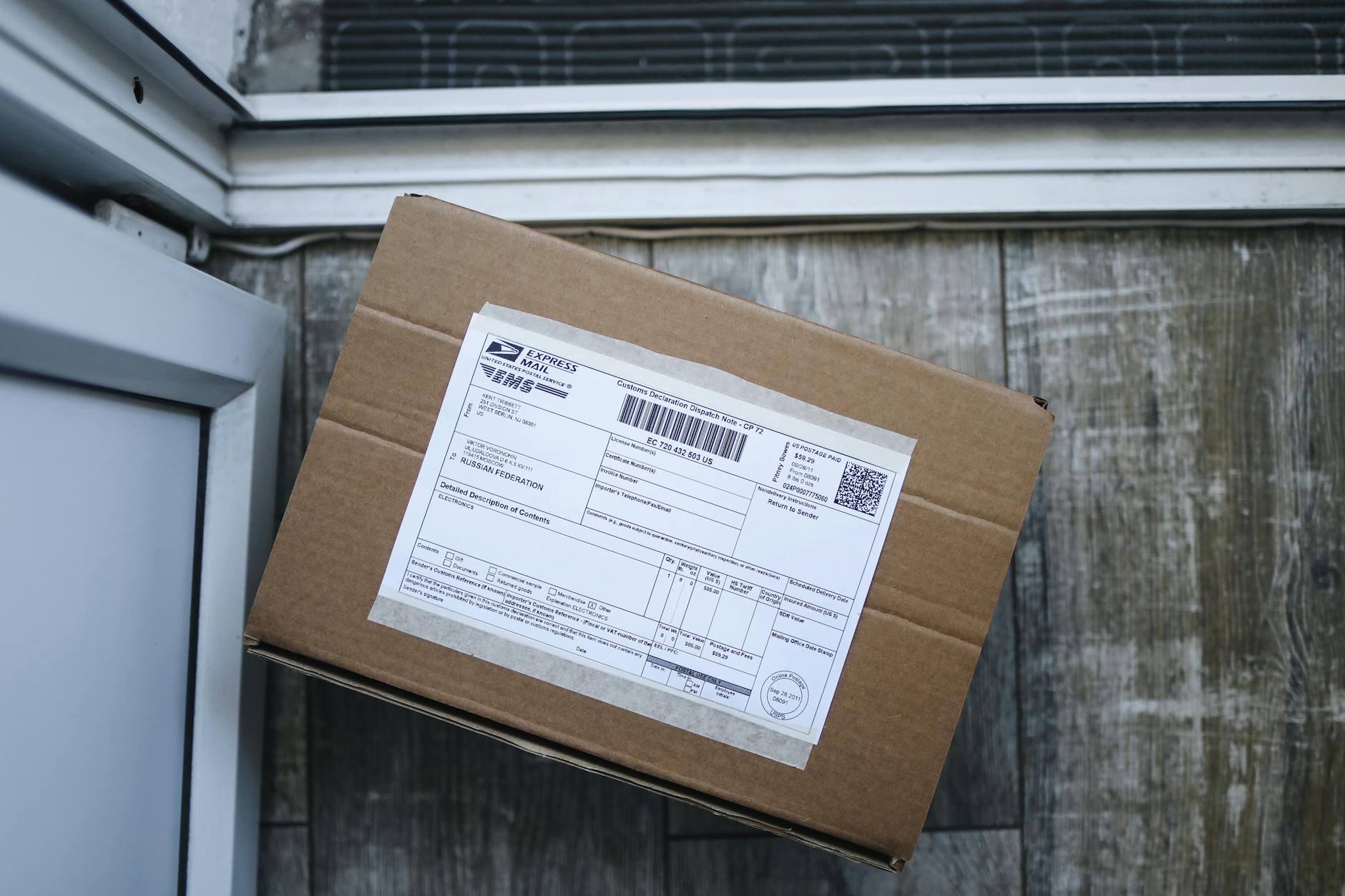
Package tracking compromise typically happens when criminals gain access to your email account, exploit a retailer’s data breach to see your order history and tracking numbers, intercept carrier communications you’ve forwarded to others, or simply obtain your tracking number by monitoring public WiFi networks or your trash. Unlike some digital breaches that affect millions of people equally, compromised tracking is often a targeted risk—the attacker has singled out your package, your address, or your account for a reason.
Table of Contents
- How Criminals Obtain and Exploit Your Package Tracking Information
- Recognizing Signs That Your Tracking Has Been Compromised
- Verifying Your Package’s Actual Status Directly With the Carrier
- Taking Immediate Action to Prevent Package Theft or Misuse
- Addressing the Root Cause—Breached Email or Account
- Protecting Your Delivery Address and Shipping Patterns Going Forward
- The Broader Landscape of Delivery-Related Scams and What’s Changing
- Frequently Asked Questions
How Criminals Obtain and Exploit Your Package Tracking Information
Compromised package tracking usually begins with one of a few entry points. If a retailer like Amazon, Target, or an e-commerce site suffers a data breach, attackers gain access to your shipping addresses, order history, and real-time tracking data tied to your account. Alternatively, if your email account is breached—whether through password reuse, phishing, or credential stuffing—criminals can log in and see all your order confirmations and tracking emails. A third pathway happens when you share your tracking link via email, text, or messaging apps on unsecured networks, or when you inadvertently leave a shipping label visible in your trash.
Once they have the tracking number, criminals can see where your package is going, when it’s expected, and what shipper is handling it. Some thieves use this information to forge a delivery notice, impersonate a driver, or time a theft attempt to arrive just before the legitimate delivery. Others use your address as part of identity fraud—confirming you live where you claim to live, which is often needed to open accounts in your name. Carriers like UPS, FedEx, and USPS offer tracking transparency as a convenience, but this same transparency is what makes the risk real. A tracking number alone is enough to reveal your delivery window, and delivery windows are golden information for package thieves who work neighborhoods systematically.
Recognizing Signs That Your Tracking Has Been Compromised
The challenge with tracking compromise is that it often leaves no obvious trace at first. You won’t necessarily notice unauthorized access to a tracking number the way you’d notice someone accessing your bank account. However, several warning signs should prompt you to investigate. If you receive shipping notifications from retailers you don’t remember ordering from—especially if they’re being delivered to your address—your account or email may have been breached, and orders are being placed without your consent.
If a family member or colleague tells you they received a suspicious email claiming to be from you with a tracking link for an item they didn’t request, your email may be spoofed or compromised. If you notice packages never arrive despite showing “delivered” or “out for delivery,” delivery theft combined with tracking compromise is likely occurring. One important caveat: not all mysterious tracking notifications indicate compromise of your specific package—sometimes they’re mistakes or test shipments—but repeated incidents suggest a pattern worth investigating. Another red flag is receiving package delivery photos from USPS or other carriers that show packages placed in locations you consider unsafe or unlikely to be real delivery spots. Scammers sometimes trick delivery notifications to make it appear a package was delivered when it was actually intercepted in transit.
Verifying Your Package’s Actual Status Directly With the Carrier
Once you suspect your tracking information may be compromised, do not rely on tracking links in emails or text messages from the retailer—these could be fabricated. Instead, go directly to the carrier’s official website or app by typing the URL yourself or opening the app you already have installed. Log into your account (not a guest login) and search for your package using the tracking number, but more importantly, verify it using your name or phone number associated with the account. When you log into your carrier account directly, you see the full shipping history and can spot when your package was accessed by someone other than you.
FedEx and UPS both allow you to see when tracking details were viewed, and USPS shows this information in your USPS Informed Delivery account. Check whether the delivery address and recipient name are exactly what you entered. If the carrier shows a different address, a different name, or special instructions (like “leave in garage” or “do not require signature”) that you didn’t authorize, someone has accessed your tracking information and possibly your account. A limitation to this approach: carriers don’t always log every single view of a tracking number, especially if the package is in transit. If your package is still moving through the carrier’s system, you may not see evidence of unauthorized access until it’s out for delivery.

Taking Immediate Action to Prevent Package Theft or Misuse
If you determine that your tracking has been compromised, your next move depends on timing. If the package hasn’t been delivered yet, contact the carrier’s customer service immediately and request to change the delivery instructions—ask for signature confirmation, a change of delivery address to a secure location, or to hold the package for pickup at a carrier facility. Many carriers allow you to make these changes online, but if your account itself may be compromised, call the carrier directly at the official customer service number (not one from an email or text) and make the request verbally. Provide the representative with your account password or security information to prove you’re the account holder. This step is urgent—it takes only minutes, but it can prevent your package from being stolen.
Next, contact the retailer who shipped the package and inform them of the compromise. If they also experienced a data breach, they need to know. Ask whether their investigation showed whether your account was accessed and whether other orders were placed without your authorization. If other orders were placed, you may be entitled to a refund, and the retailer may need to cancel those orders and report them. Take screenshots or notes of your conversation, including the date, representative name, and confirmation numbers.
Addressing the Root Cause—Breached Email or Account
Package tracking compromise almost always traces back to a compromised email account or a retailer data breach. If your email is the weak link, you have urgent work to do. Use Have I Been Pwned (haveibeenpwned.com) to check whether your email address appears in known data breaches. If it does, change your password for the affected service immediately, and if you’ve used that password anywhere else, change it across all accounts.
Consider enabling two-factor authentication on your most important accounts—email, banking, shopping, carrier accounts—so that even if your password is stolen, an attacker can’t log in without a second factor. A common mistake is assuming that changing your password once is enough; if your email password was the main compromise vector, you must also update the security questions and recovery options to ensure only you can reset the account. One warning: if you discover that an unknown order was placed in your name and shipped to a different address, you may be dealing with account takeover, not just tracking compromise. In this case, file a report with the FBI’s Internet Crime Complaint Center (IC3) at ic3.gov and with your state’s attorney general’s office. If credit or payment information was used, place a fraud alert with the three credit bureaus and consider a security freeze.
Protecting Your Delivery Address and Shipping Patterns Going Forward
Your delivery address is a piece of personally identifiable information that confirms where you live. Once a criminal has this tied to your name and has verified it works through a package delivery, they can use it for identity theft, account opening fraud, or targeting you for other scams. Be cautious about who you share shipping confirmations and tracking links with.
If you forward a shipping confirmation email to family or friends, be aware that anyone intercepting that email can extract your address and tracking number. For valuable items or items you’re nervous about, consider having them shipped to your workplace, a trusted friend or family member’s address, or a pickup location like Amazon Lockers, UPS stores, or FedEx locations instead of your home. Some retailers offer signature-required shipping as an option; paying the extra fee for high-value purchases is worth it because it ensures the package won’t be left unattended.
The Broader Landscape of Delivery-Related Scams and What’s Changing
Package interception and tracking-related fraud have grown significantly as e-commerce has exploded, and carriers and retailers are responding with new security measures. Many carriers are experimenting with delivery photo authentication, where drivers must photograph packages in their final location, and dynamic carrier apps that show real-time driver location and allow real-time delivery instruction changes. Some retailers are implementing package shields—insured delivery where the retailer absorbs the loss if a package is stolen from your porch.
The industry trend is toward more transparency and customer control, but this also creates new vulnerabilities if accounts themselves are compromised. Looking forward, we’re likely to see more adoption of biometric authentication at delivery (scanning a fingerprint or face to receive a package) and blockchain-based tracking that’s harder to forge. Until these technologies become standard, your best defense remains account security, direct verification of tracking information, and being selective about where and how you receive deliveries.
Frequently Asked Questions
Can someone use my package tracking number to find my home address?
Yes. A tracking number alone may not reveal your full address in real time, but when combined with other information (like your name from a public record search or a breached retailer database), it confirms where you live and when deliveries arrive. This is valuable information for stalkers, identity thieves, and package thieves.
What should I do if my package says delivered but I never received it?
First, check all possible delivery locations on your property—side doors, garages, behind planters. Contact the carrier with your tracking number and report it as undelivered; they may investigate the driver. If the carrier confirms it was “delivered as instructed,” someone may have accessed your delivery instructions. Report this to the carrier immediately. If this happens repeatedly, file a police report for theft and inform your insurance company.
Do I need to change my password if my package tracking was compromised?
Only if a retailer data breach exposed your account password alongside your tracking information, or if your email account was compromised. If the compromise was just someone viewing a tracking number forwarded in an email, password changes may not be necessary—but monitoring your account for other unauthorized activity is important.
Can carriers or retailers see who accessed my tracking information?
Partially. UPS and FedEx show tracking views in your account, but not always in real-time if the package is in transit. USPS shows tracking history in Informed Delivery. However, they don’t always identify who accessed it—just that the tracking number was accessed.
What’s the difference between a breached tracking number and a breached retail account?
A breached tracking number alone shows someone where a specific package is going. A breached retail account shows someone your full order history, saved addresses, payment methods, and can let them place new orders in your name. An account breach is more serious.
Should I be worried about someone using my address to receive packages I didn’t order?
Yes, though it’s less common than package theft. This is called “brushing” (fake positive reviews) or account takeover. If packages you didn’t order arrive at your address, refuse them or contact the shipper to report fraud. File a police report if it continues.
You Might Also Like
- What to Do If Your Vacation Rental Account Is Hacked
- Signs Your Router Has Been Compromised
- Signs Your Car Rental Account Is Compromised