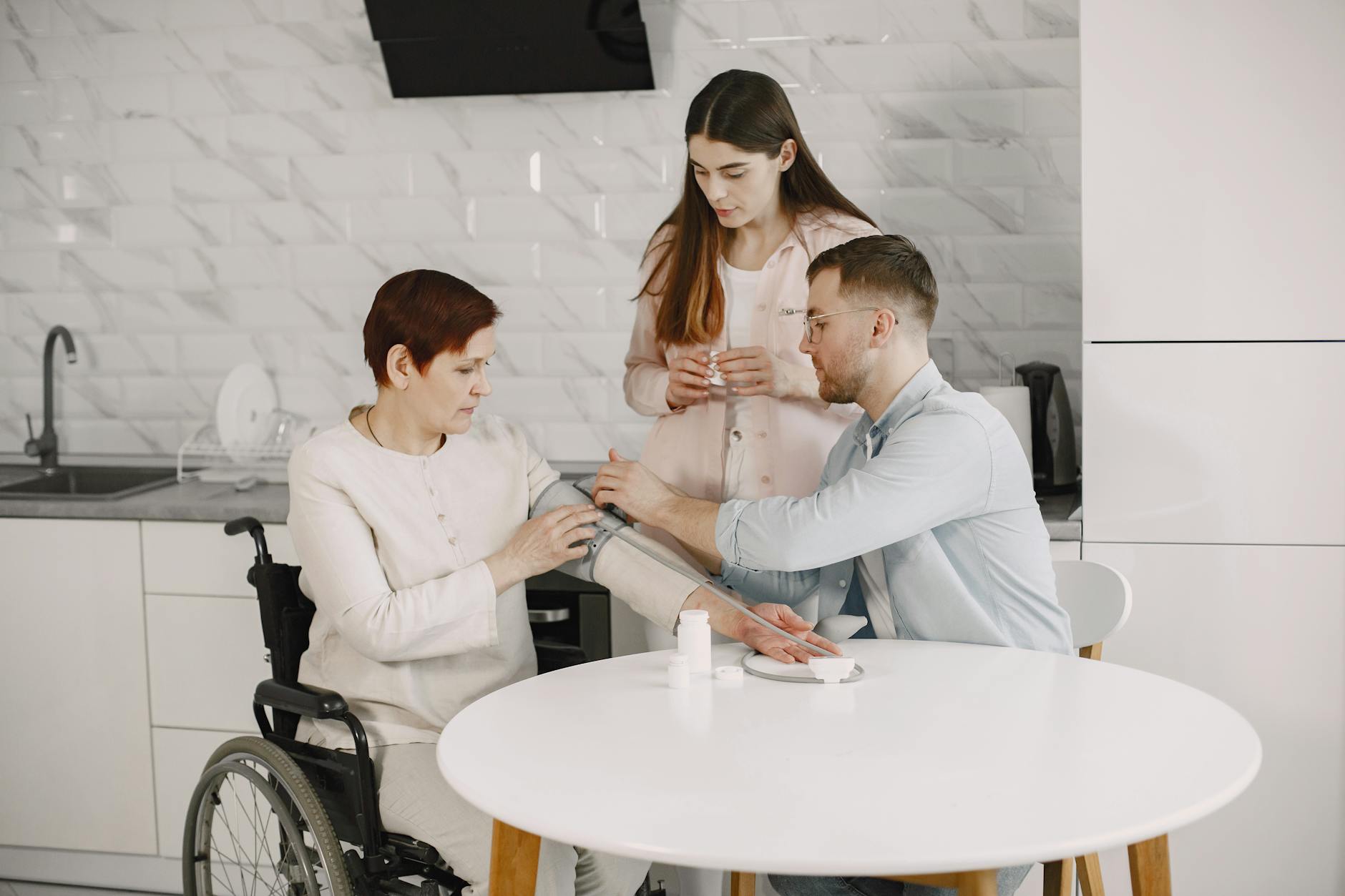
When nursing home data is breached, residents face immediate and long-term threats to their financial security, medical privacy, and identity. Sensitive information including Social Security numbers, dates of birth, financial account details, and medical records becomes available to criminals who exploit this data for fraud, identity theft, and extortion. The scope can be staggering: in October 2024, the RansomHub ransomware group stole data from approximately 70,000 patients across HCF Management facilities following a breach at Carespring Health Care Management, affecting nearly 80,000 residents total and demonstrating how quickly a single incident can compromise vast populations of vulnerable individuals.
Beyond the immediate data theft, a breach triggers cascading consequences for residents, facilities, regulators, and law enforcement. Nursing homes face regulatory investigations, substantial financial penalties, lawsuits, operational disruptions, and reputational damage. Residents must navigate years of fraud monitoring, credit protection, and anxiety about their personal information circulating in criminal networks. The breach also exposes the broader vulnerabilities in healthcare infrastructure, where 26% of all ransomware attacks now target secondary healthcare institutions including nursing homes, making these facilities increasingly attractive targets for organized cybercriminals.
Table of Contents
- What Personal Data Is Exposed in Nursing Home Breaches?
- HIPAA Violations and Legal Penalties for Breaches
- The Resident Experience After a Breach
- Facility Operational Impacts and Business Continuption
- Long-Term Consequences and Extended Liability
- Prevention, Detection, and Incident Response
- Evolving Threats and the Ransomware Trend
What Personal Data Is Exposed in Nursing Home Breaches?
Nursing home databases contain some of the most sensitive information available to criminals because these facilities maintain comprehensive resident profiles accumulated over months or years of care. When breached, this data typically includes full names, Social Security numbers, dates of birth, home addresses, telephone numbers, email addresses, financial account information, insurance details, and complete medical histories. The June 2024 breach at Hillcrest Convalescent Center in North Carolina exposed exactly this category of information—names, Social Security numbers, dates of birth, and financial account information—affecting hundreds of residents whose data became available for criminal exploitation. The sensitivity of nursing home data makes it particularly valuable to cybercriminals.
Unlike a retail database containing purchase history or a social media account containing photographs, a nursing home resident’s data includes everything needed for identity theft, financial fraud, and medical fraud. Criminals can use Social Security numbers to open credit accounts, file fraudulent tax returns, and apply for government benefits. Financial account information enables direct theft. Medical records can be sold to competitors or used for insurance fraud. This comprehensive profile makes nursing home residents prime targets for ongoing exploitation.

HIPAA Violations and Legal Penalties for Breaches
Nursing home breaches constitute violations of the Health Insurance Portability and Accountability Act (HIPAA), which protects the privacy and security of health information. The U.S. Department of Health and Human Services Office for Civil Rights (OCR) investigates and enforces HIPAA violations, imposing civil penalties that vary based on the severity of the violation and the facility’s awareness of the breach. Civil penalties range from $100 to $50,000 per violation for unknowing violations, while willful neglect violations carry penalties of $10,000 to $50,000 per violation, with annual maximums reaching $1.5 million. Real-world enforcement demonstrates the financial consequences nursing homes face following breaches.
Lakeview Village in Kansas paid a $25,000 penalty for a HIPAA violation. Greenleaf Nursing Home in Virginia was fined $65,000. Golden Meadows Nursing Facility in California faced a $100,000 penalty. These cases reflect different violation severity levels, but all represent substantial costs on top of breach notification expenses, litigation costs, and remediation efforts. Criminal liability also exists: HIPAA violations involving knowing disclosure of protected health information carry penalties up to $50,000 and one year imprisonment, while offenses committed under false pretenses increase these penalties to up to $100,000 in fines and five years imprisonment.
The Resident Experience After a Breach
Nursing home residents face immediate and prolonged consequences when their data is breached. They must be notified of the breach, typically within 60 days of discovery, and offered credit monitoring or identity theft protection services for periods ranging from one to three years. However, even with these protections, residents often experience significant anxiety knowing their Social Security numbers and financial information are in criminal hands. Many elderly residents are less familiar with monitoring their credit reports or recognizing signs of fraud, making them particularly vulnerable.
The psychological impact frequently extends beyond the immediate crisis period. Residents may develop heightened anxiety about phone calls or mail, fearing they represent fraudulent accounts opened in their names. Some discover fraudulent activity years after the initial breach, having been unable to catch it during the notification and monitoring period. In 2024, Atrium Centers in Ohio experienced a breach in October, which prompted a former employee to file a multistate lawsuit seeking class-action status, reflecting the frustration residents and their families experience when they discover their information was compromised during their most vulnerable life stage.

Facility Operational Impacts and Business Continuption
A data breach creates operational chaos within a nursing home. Facilities must immediately investigate the breach’s scope, preserve evidence for law enforcement and regulatory authorities, notify all affected residents and regulators, and implement remediation measures—all while continuing to provide daily care to residents. If the breach involves ransomware, criminal actors may have encrypted critical systems, forcing facilities to operate without electronic health records, medication management systems, or billing functions. This operational disruption directly affects resident care quality and safety. The financial impact extends far beyond the regulatory penalties.
Facilities must hire forensic investigators, legal counsel, notification services, and credit monitoring providers. They may face increased cyber insurance premiums or loss of coverage. Some facilities experience declines in admissions as families lose confidence in their ability to protect resident information. Litigation costs accumulate as residents and family members file lawsuits. For smaller nursing home operators, these combined costs can be catastrophic, potentially forcing facility closure. Larger facilities weather the financial burden more easily, but all facilities face significant business disruption that diverts resources from resident care.
Long-Term Consequences and Extended Liability
The consequences of a nursing home data breach extend years beyond the initial incident. Residents whose Social Security numbers and financial information were stolen face ongoing identity theft risk, as criminals may hold this information for months or years before deploying it. Some criminals sell stolen nursing home data to other criminal networks, creating multiple waves of exposure. The February 2026 healthcare data breach report documented 63 large breaches affecting 500 or more individuals, representing a 14.5% increase from January 2026, indicating that breach frequency is accelerating and criminal networks are becoming more active.
Nursing homes also face extended litigation risk. Class-action lawsuits can continue for years as residents discover fraudulent accounts, unauthorized credit inquiries, or identity theft instances attributed to the breach. Even if a facility ultimately prevails in litigation, legal costs accumulate across multiple years. Additionally, some jurisdictions impose notification requirements that extend beyond federal HIPAA deadlines, and some states have enacted privacy laws imposing additional penalties. A nursing home must maintain cyber liability insurance, incident response capabilities, and legal reserves for years following a breach, treating it as an ongoing business risk rather than a closed incident.
Prevention, Detection, and Incident Response
Preventing nursing home data breaches requires comprehensive cybersecurity measures that many facilities currently lack. Effective prevention includes regular security assessments, employee training on phishing and social engineering, multi-factor authentication for system access, encryption of sensitive data, network segmentation isolating critical systems, and regular backup maintenance. However, older nursing home facilities often operate on limited technology budgets, run legacy systems lacking security features, and struggle to hire qualified IT staff. The staffing challenge is particularly acute in healthcare, where IT professionals can earn higher salaries in other industries.
When a breach occurs despite prevention efforts, rapid detection and response become critical. Facilities must have incident response plans identifying who will be contacted, what evidence will be preserved, and how communication with residents, law enforcement, and regulators will be managed. Faster detection limits the window during which criminals can access or exfiltrate data. The HHS Office for Civil Rights Breach Portal tracks all breaches reported by covered entities, providing transparency into attack patterns and emerging threats. Facilities that experience breaches should contribute to this knowledge base and participate in information sharing with other healthcare organizations to improve collective defenses.
Evolving Threats and the Ransomware Trend
Nursing homes have become increasingly attractive targets for ransomware criminals because the combination of valuable data and operational urgency creates favorable conditions for ransom demands. When critical systems are encrypted, a facility cannot access patient information needed to provide care, creating pressure to pay ransoms quickly. The October 2024 RansomHub breach at Carespring demonstrated this dynamic: the group encrypted systems while stealing data, essentially creating dual leverage—both operational disruption and threatened data publication. Ransomware attacks will likely continue targeting nursing homes as long as facilities remain vulnerable and criminals recognize the financial return.
Looking ahead, nursing homes face increasing regulatory scrutiny and compliance requirements around cybersecurity. Payers, including Medicare and Medicaid programs, may impose enhanced audit requirements or reimbursement reductions for facilities with poor security records. Residents and families will increasingly prioritize cybersecurity when evaluating facilities. Facilities that invest in modern security infrastructure, employee training, and incident response capabilities will gain competitive advantages while reducing breach likelihood and impact. The trend toward enhanced security requirements is inevitable and will reshape how nursing homes allocate resources and prioritize technology investments.
You Might Also Like
- What Happens When Water Utility Data Is Breached
- What Happens When Dental Insurance Data Is Breached
- What Happens When Mental Health Records Are Breached