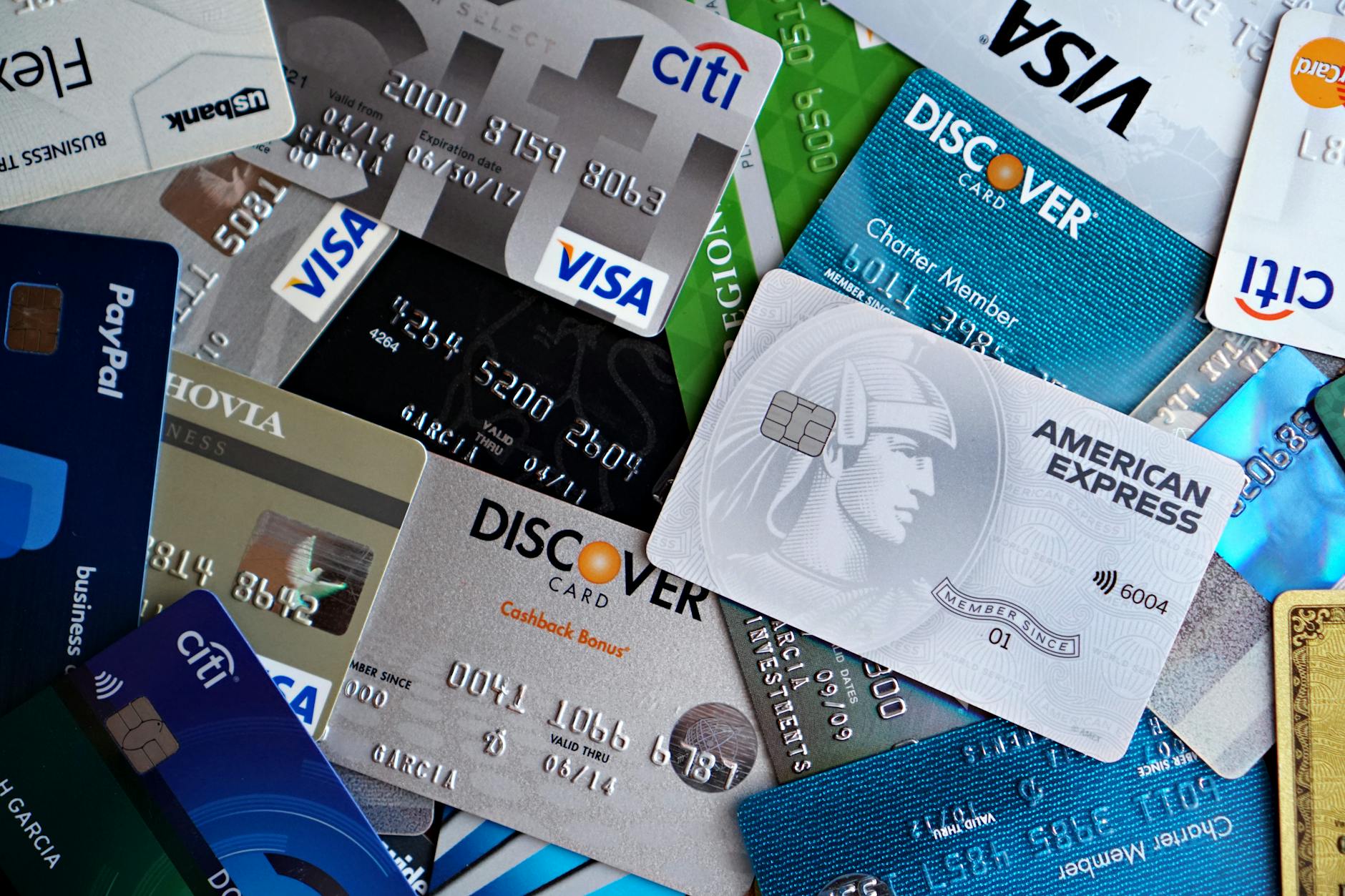
Credit card skimming is a fraud technique where thieves use hidden devices or software to capture your card data without your knowledge, typically at payment terminals or ATMs. The most recognizable signs of skimming include loose or unusually thick card slots, cameras positioned above keypads, and unexpected charges on your account after using a particular terminal. For example, in 2023, law enforcement discovered a skimming ring operating at gas stations across the Midwest using thin overlay devices placed directly over legitimate card readers—customers reported unauthorized purchases in other states within hours of fueling up. Recognizing skimming attacks requires understanding how they work and what physical or digital red flags to watch for.
Unlike phishing or identity theft schemes, skimming attacks are often invisible to the naked eye because the devices are designed to blend seamlessly into legitimate payment infrastructure. Being able to spot even subtle signs can prevent fraudsters from capturing your card information in the first place. The stakes are high: the Federal Trade Commission received over 2.6 million fraud reports in 2023, with card skimming contributing significantly to account compromise cases. The average victim spends 16 hours resolving fraudulent charges, not counting the anxiety and credit monitoring costs that follow.
Table of Contents
- What Are the Physical Signs of Card Skimming Devices?
- How Do Digital Skimming and Malware Capture Card Information?
- What Warning Signs Should You Notice in Your Financial Accounts?
- How Can You Protect Yourself When Using Payment Terminals?
- What Vulnerabilities Exist in Modern Payment Systems?
- How Do You Respond If You Suspect Your Card Has Been Skimmed?
- What Does the Future Hold for Skimming Prevention and Detection?
- Frequently Asked Questions
What Are the Physical Signs of Card Skimming Devices?
Skimming devices come in various forms, and some are sophisticated enough to fool even observant users. At ATMs, criminals often install external card readers over the legitimate slot—these overlays are usually made of plastic and fit snugly but can sometimes be detected by trying to wiggle the card reader slot gently. Gas pump skimmers are particularly common because outdoor terminals receive less supervision; these devices are often installed inside the pump itself, making them impossible to detect visually from the outside. Another physical indicator is an unusually thick or protruding card slot, which might mean a second reader has been placed on top of the original one. Pinhole cameras are another form of physical skimming infrastructure.
These tiny cameras, sometimes no larger than a pen tip, are positioned above keypads to capture PIN entries. They might be hidden in promotional materials, ceiling panels, or even built into fake card readers. The distinction between a legitimate ATM component and a concealed camera is that the camera’s lens will often catch light differently than surrounding materials—looking for reflective spots around the keypad area can sometimes reveal these devices, though modern cameras are becoming harder to spot. One important limitation: many skimming devices are installed inside machines where you cannot see them at all. If a gas pump or ATM has been compromised at the internal level, external inspection will reveal nothing. This is why physical inspection alone is insufficient—you must also monitor your account activity closely.

How Do Digital Skimming and Malware Capture Card Information?
Beyond physical devices, digital skimming occurs through malware, website compromises, and point-of-sale (pos) system breaches. When a retailer’s payment terminal is infected with skimming malware, the software runs invisibly in the background, capturing every card number and PIN entered at that terminal. In 2022, a major restaurant chain’s POS systems were compromised for eight months before detection, affecting thousands of customers across multiple states. The breach was only discovered when banks noticed patterns of fraudulent charges from customers who had all dined at the same chain. Point-of-sale skimming malware is particularly dangerous because it operates at scale—one compromised terminal in a busy location can capture data from hundreds of customers daily.
The malware transmits captured data to the attacker’s server, often encrypted and disguised as normal network traffic. Retailers may have no visible indication that their systems are compromised, which means you cannot rely on the business to catch the problem before your data is stolen. A critical limitation of digital skimming: there are no visual indicators you can detect as a consumer. Unlike physical skimmers, you cannot inspect the terminal for signs of tampering. Your only defense is to monitor your bank statements vigilantly and use payment methods that offer fraud protection and dispute capabilities. Contactless payments like mobile wallets or chip readers (rather than magnetic stripe) provide some additional security, though determined criminals continue to find workarounds.
What Warning Signs Should You Notice in Your Financial Accounts?
The first indication that your card information may have been skimmed often comes from your bank or credit card company through fraudulent charge alerts. You might notice small, test charges—criminals often make purchases of $1 to $3 first to verify the card is active and the merchant will not flag unusual activity. These micro-charges are sometimes overlooked by busy account holders, but they are a clear warning that your data is compromised. If you see any charge you do not recognize, especially at merchants you have never visited, that is a skimming red flag. A significant warning sign is unauthorized charges appearing within 24 to 72 hours of using a specific ATM or payment terminal. This timing pattern is highly indicative of skimming because the criminal has real-time or near-real-time access to your card data and PINs.
In contrast, if you provided your card to a restaurant server and fraudulent charges appear three weeks later, that suggests a different type of breach (like a database hack at the merchant), not immediate card skimming. One example: a customer used an ATM in an unfamiliar location and noticed two small charges for $2.99 each to an online retailer the next morning. Within 48 hours, multiple larger charges appeared at electronics retailers in different states. This rapid escalation from test charges to aggressive fraud is a hallmark of skimming. The victim discovered that the ATM they used had been flagged by law enforcement for a known skimming ring. Checking your credit card and bank statements weekly, rather than monthly, dramatically increases your chances of catching skimming fraud before large amounts are stolen.

How Can You Protect Yourself When Using Payment Terminals?
Your first line of defense is to inspect the terminal before use. Look for signs of tampering: cracks in the card reader, misaligned components, or anything that appears different from previous uses of similar terminals. At ATMs, give the card reader a gentle tug—if it comes away from the machine, it is a skimmer. For gas pumps, consider using pumps closer to the station entrance or inside the station itself, as these receive more foot traffic and are more frequently monitored by staff. Some security experts recommend using credit cards rather than debit cards at these high-risk terminals because credit card fraud carries different legal protections than debit card fraud. Covering the keypad with your hand while entering your PIN is a simple but effective practice.
This prevents pinhole cameras from capturing your PIN entry, which is essential because criminals need both your card number and PIN to drain your account completely. The comparison matters: with just your card number, a fraudster can make contactless purchases or online purchases up to certain limits, but with your PIN, they can withdraw cash directly from ATMs. This is why protecting your PIN is as critical as protecting your card. A tradeoff to consider: while mobile wallets and contactless payment methods offer added security by tokenizing your actual card number, they are not available at all merchants. Legacy terminals that only accept magnetic stripe cards require your actual card number to be transmitted, creating more risk. If you have the option, always choose chip or contactless payment over the magnetic stripe option. However, the downside is that some older terminals still cannot process chip or contactless payments, forcing you to use less secure methods at those locations.
What Vulnerabilities Exist in Modern Payment Systems?
Even modern payment technology has vulnerabilities that skimmers exploit. Chip technology (EMV) is more secure than magnetic stripe because it generates unique transaction codes that cannot be reused, but sophisticated criminals have developed chip skimmers that clone chip functionality. In 2021, security researchers demonstrated that chip skimmers could be built from commercially available components and installed at ATMs without requiring internal access to the machine. The limitation: even chip readers provide some protection because the card data alone is not sufficient to commit fraud—the PIN is still required. Point-of-sale systems continue to be targets because many retailers operate with outdated software and insufficient security updates. Some merchants use Windows XP or similarly ancient operating systems to run their payment terminals, creating vast security gaps. Network segmentation (keeping POS systems isolated from internet-connected networks) should be standard practice, but many small businesses lack the technical expertise or budget to implement this properly.
This means when you use a payment terminal at a small restaurant or convenience store, you are often relying on the merchant’s security practices, which may be inadequate. A critical warning: the adoption of EMV technology in the United States was slower than in other countries, meaning U.S. merchants still process a higher volume of less-secure magnetic stripe transactions. Criminals have exploited this lag by focusing on U.S. targets. If you travel internationally, you may notice that magnetic stripe is rarely used in Europe or Asia—this is intentional. The downside for U.S. consumers is that we continue to offer an attractive attack surface for card skimmers.
How Do You Respond If You Suspect Your Card Has Been Skimmed?
If you notice fraudulent charges or suspect your card information was captured at a skimmer, your immediate action should be to contact your card issuer to freeze or cancel the card. Most banks can issue replacement cards within 3-7 business days. Document the specific location where you believe the skimming occurred (the exact gas station, ATM, or merchant) and the date, as this information helps law enforcement identify compromised terminals. The example of a coordinated nationwide skimming operation in 2024 shows how critical this information is—when multiple victims reported the same ATM location, law enforcement was able to identify the pattern and arrest the criminals before they installed devices at additional locations.
Place fraud alerts on your credit report with the three major credit bureaus (Equifax, Experian, TransUnion). This does not prevent identity theft, but it notifies creditors to verify your identity before opening new accounts. You should also consider enrolling in credit monitoring services, which cost $10-20 monthly but alert you immediately to new accounts or inquiries in your name. Some card issuers offer this service free to fraud victims.
What Does the Future Hold for Skimming Prevention and Detection?
The shift toward contactless and mobile payment technology, including digital wallets and cryptocurrency payment options, is gradually reducing the utility of captured card data. If payment methods that do not require physical card numbers become dominant, skimming as it currently exists will become obsolete. However, this transition will take years, and criminals will likely adapt by targeting the digital infrastructure instead—expecting phishing attacks and digital wallet breaches to increase as physical skimming opportunities decline.
Biometric authentication at point-of-sale terminals is becoming more common in some markets, requiring fingerprints or facial recognition instead of PINs. This technology makes PIN capture irrelevant, but it requires significant investment in new hardware and faces privacy concerns in some regions. The outlook is that technology will eventually make traditional skimming obsolete, but only after years of coexistence between secure and insecure payment methods.
Frequently Asked Questions
Can you get scammed by a skimmer if you only use your debit card?
Yes. Debit card skimming is particularly dangerous because fraudsters can use captured PINs to withdraw cash directly from ATMs. You have stronger legal protections with credit cards—federal law limits your liability for fraudulent credit card charges to $50, while debit card liability can be higher if you do not report the fraud within 60 days.
Are chip readers completely safe from skimming?
Chip readers are significantly more secure than magnetic stripe, but they are not completely immune. Sophisticated chip skimmers exist, though they are less common and more expensive to deploy. However, even if your chip is skimmed, criminals still need your PIN to access your account, which provides an additional layer of protection.
What should I do if I discover a skimmer at an ATM or gas pump?
Contact the bank or gas station operator immediately to report the suspected skimmer. Do not attempt to remove or tamper with any suspicious device yourself. Call the local police non-emergency line to report it, and provide as much detail as possible about the location and what made you suspicious.
Is it safer to use ATMs inside banks than outside?
Generally, yes. ATMs inside bank branches or lobbies are more frequently monitored and serviced by bank employees, reducing the window of opportunity for criminals to install skimmers. Standalone ATMs in convenience stores or entertainment venues have less oversight and are higher-risk targets.
Can mobile wallets like Apple Pay or Google Pay get skimmed?
No. Mobile wallets tokenize your card information, meaning your actual card number is never transmitted to the merchant. This makes them significantly more secure than physical cards. However, if your phone is compromised with malware, other forms of fraud are possible.
How quickly do skimmers typically use captured card information?
It varies. Some criminals make small test charges within hours to verify the card is active and the merchant will process it. Others wait days or weeks to avoid triggering fraud alerts. Most aggressive fraud activity begins within 24-72 hours of the skimming, which is why checking your statements frequently is so important.
You Might Also Like
- How to Recognize Business Email Compromise Attacks
- Signs Your Corporate Card Is Compromised
- How to Recognize Friend Request Scams After Breaches