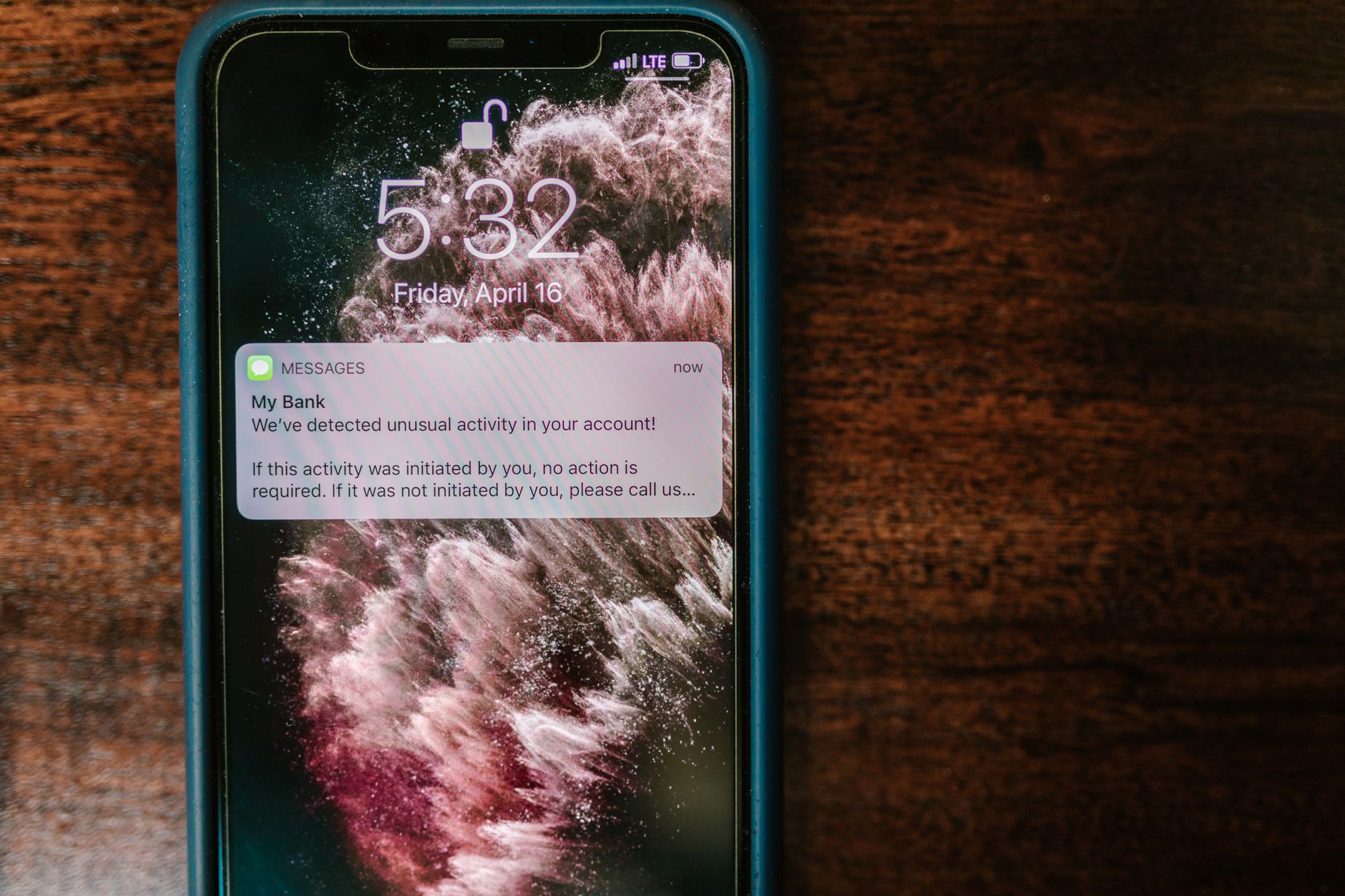
Nepal's banks and financial firms briefly shut websites and some online services on Oct. 22-23, 2026.
The preventive shutdowns responded to two critical PHP flaws enabling remote takeover. The pair, called PHP2Shell, allows unauthenticated attackers to run code remotely. Fiscal Nepal reported the bank shutdowns were precautionary against those flaws in Fiscal Nepal's October 23 report.
Table of Contents
- What services stopped working?
- Why did banks pull systems offline?
- Was money or data stolen?
- What must server operators do now?
What services stopped working?
Internet banking took the main hit. Online account opening, KYC updates and some payment services also paused.
Fiscal Nepal reported core banking systems were not compromised. The Nepal Bankers' Association said mobile banking and QR payments kept operating normally.
Why did banks pull systems offline?
Censys identified the pair as CVE-2026-109618 and CVE-2026-109619 in its October 21 advisory. It rated them 9.2 under CVSS v4.0 for unauthenticated remote code execution. That means an attacker can run commands without logging in. ICT Frame reported Nepal Rastra Bank suspended its own website and related services.
It directed banks, payment operators and remittance firms to harden servers and watch logs. The shutdown extended beyond banks. Cyber Security Centre spokesperson Raj Kumar Maharjan said most PHP-based government sites went temporarily offline on Oct. 22.
Was money or data stolen?
Nepal Rastra Bank called the shutdowns preventive. It reported no loss of depositors' money or leak of personal data tied to the flaws.
Nepal UK reported the National Cyber Security Centre had not established that any Nepali site was successfully attacked in its outage update. That leaves the episode as a service disruption, not a confirmed breach.
What must server operators do now?
Tenable states operators must install fixed PHP releases and patches in its PHP2Shell FAQ. It says unpatched internet-facing systems should stay disconnected until updated.
Customers do not need to reinstall banking apps. Check your bank's official site or app before retrying a blocked transaction.
- Update PHP to the fixed release immediately
- Disconnect internet-facing servers that cannot yet be patched
- Harden configurations and review logs for exploit attempts
You Might Also Like
- PwC Confirms Cybersecurity Incident Involving Employee Learning Records
- Mirae Asset Life Insurance Confirms Data Breach of Customer Credit Records
- Why 5 Countries Saw Government Websites Offline Over a Patchable PHP Bug