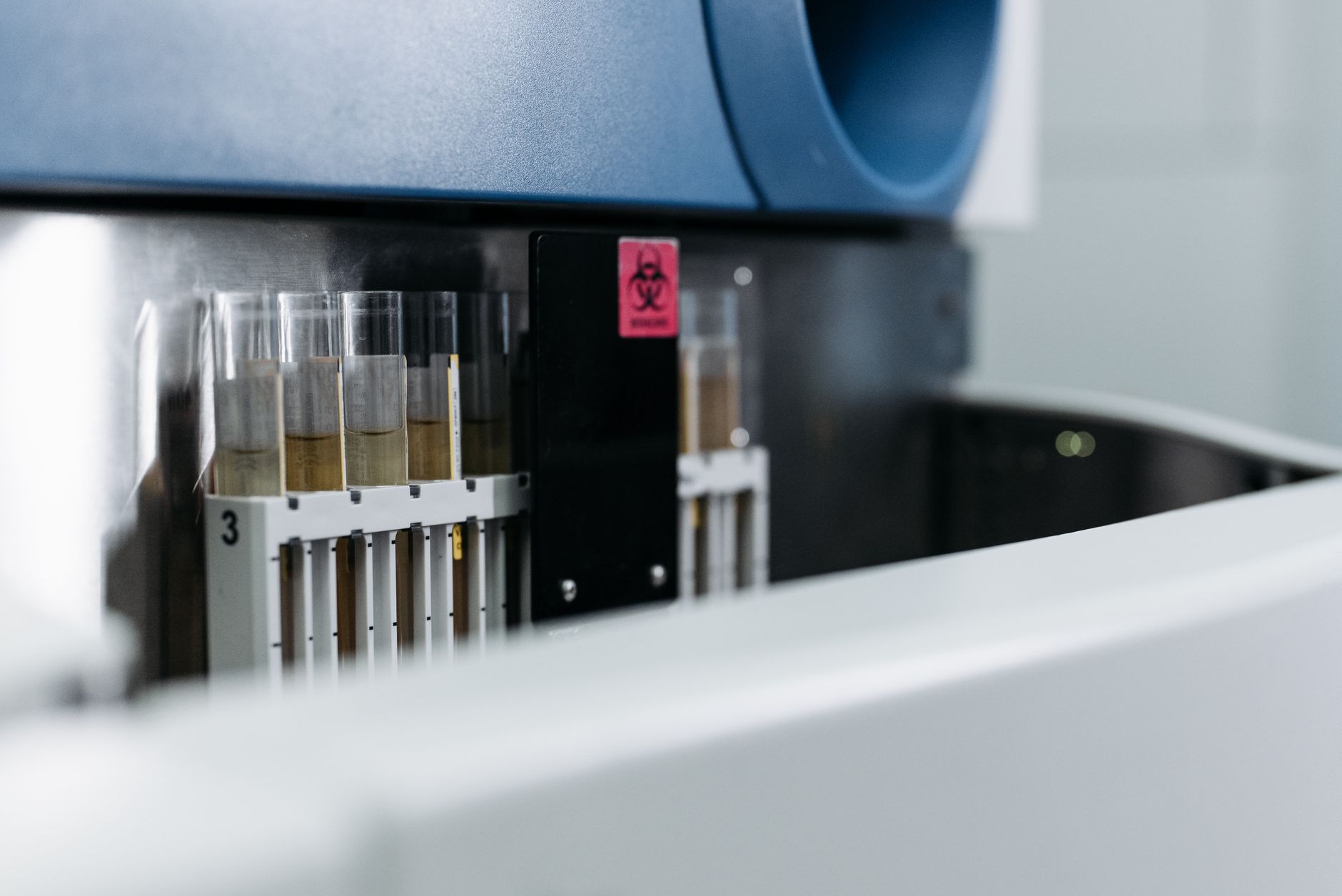
Lab testing companies analyze blood, tissue and DNA samples for hospitals. They are frequent targets because they store identity-rich billing data and run testing hospitals cannot delay. That mix allows two payoffs. Intruders can steal data for fraud and freeze lab systems to force fast payment.
Table of Contents
- Why is lab data worth stealing?
- How can one lab vendor stop hospital care?
- How common are attacks on health care?
- Where do attackers get in?
- What checks lower lab risk?
Why is lab data worth stealing?
A lab record often links name, billing detail, medical detail and Social Security number in one file. That combination supports identity theft, insurance fraud and targeted phishing. SecureWorld News Team reported intruders stayed in billing vendor AMCA's payment system from Aug. 1, 2018 to March 30, 2019, exposing about 11.9 million Quest patients' data in the Quest breach timeline.
Pennsylvania's attorney general said the same AMCA event exposed billing data for about 10.2 million LabCorp patients and led to a $2,287,455 multistate settlement in Sept. 2026. Health breaches also carry high recovery costs. TechTarget, reporting IBM's 2025 study of 600 breached organizations, found health care averaged $7.42 million per breach in the breach-cost analysis.
How can one lab vendor stop hospital care?
Large labs and pathology partners process tests for many hospitals from shared systems. When those systems lock, hospitals lose results, triage and surgery schedules. HIPAA Journal reported Qilin ransomware hit pathology partnership Synnovis on June 3, 2024, affected almost all IT systems and halted blood testing for London NHS trusts in the London pathology attack account.
Thousands of appointments were canceled or redirected. The lesson is operational leverage. Attackers do not need to hit every hospital when disabling one lab supplier creates the same pressure.
How common are attacks on health care?
Health care reports more federal cyber complaints than other critical-infrastructure sectors. The American Hospital Association, summarizing the FBI IC3 2024 report, counted 444 complaints, including 238 ransomware and 206 data-breach reports, in the FBI threat summary.
Federal breach data shows large-scale exposure. Paubox, summarizing HHS Office for Civil Rights reports, said 663 large health breaches in 2024 exposed protected health information for 242,908,056 people, with about 192 million tied to the Change Healthcare ransomware attack. Labs share this exposure because they store the same billing and clinical data and connect directly to hospital workflows.
Where do attackers get in?
Billing vendors are one entry point. Labs often outsource payment collection, so patient billing files sit on outside systems with outside login controls and patch schedules. Lab instruments are another entry point.
CISA and FDA warned in April 2023 that flaws in Illumina Universal Copy Service on widely used DNA sequencers let unauthenticated remote attackers run operating-system-level code and alter patient or genomic data. Averages hide variation. IBM's health-care average rested on only 2% of studied firms and FBI figures count only reported complaints, so a small lab faces different odds than a national chain. Regulators now treat vendor billing systems and lab instruments as in-scope controls.
What checks lower lab risk?
Patients cannot patch a lab, but they can limit fallout and press vendors. Partners can demand clearer vendor controls before sharing data. Freeze credit after a lab breach notice involving Social Security numbers and save the notice for disputes.
- Ask what billing vendor holds your data and how long records are kept.
- Use separate payment alerts and review medical statements for unknown tests.
- For lab buyers, require vendor breach notice terms, multifactor access and patch proof for instruments.
- Keep offline test-request records so care can move during a system outage.
You Might Also Like
- Cybersecurity — ICS Security: Common Scams and Follow-Up Threats
- Why Vendor Risk Is Driving More Healthcare Data Breaches
- What Happens to Stolen Medical Records on the Dark Web?