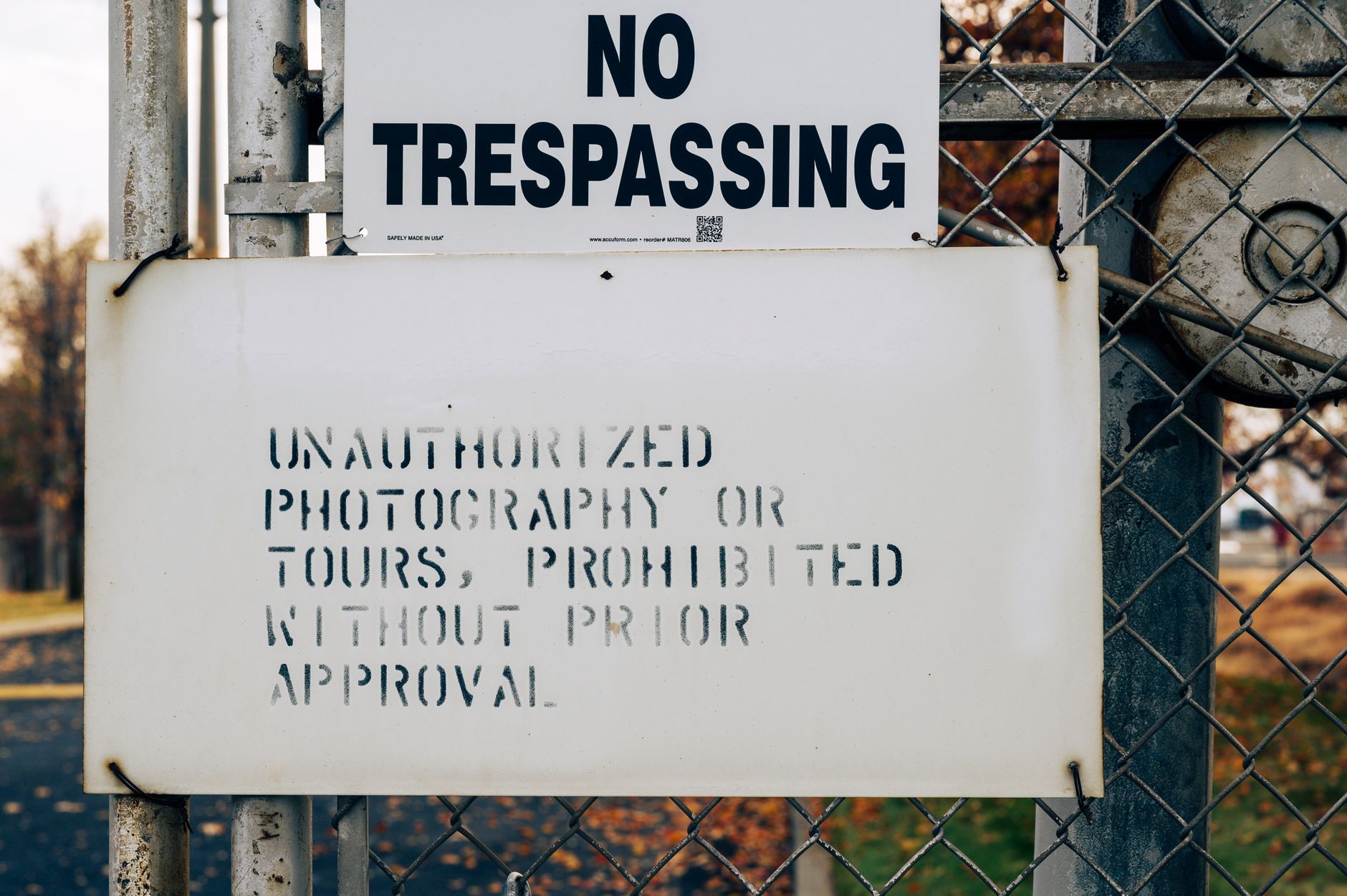
Unauthorized access is access that violates security policy, including entering a network, system, or data without permission. A hack exploits software and system weaknesses for personal gain, while unauthorized access is the permission violation that results.
NIST states this policy rule in its glossary definition. That distinction matters for breach notices, workplace discipline, and criminal risk. The same technical act can be routine administration, approved testing, or a crime depending on permission, scope, and system gates.
Table of Contents
- What counts as unauthorized access?
- How is a hack different?
- What does the law punish?
- How do you keep access authorized?
What counts as unauthorized access?
Unauthorized access covers both logical and physical entry. It includes guessing another user's password, using a coworker's logged-in laptop, or opening a restricted folder you were never granted. The key test is permission, not skill.
It also covers outsiders with no permission and insiders who enter off-limits areas. An employee with valid access to email can still commit unauthorized access by opening payroll records or admin tools outside their grant. Owners reduce this risk by assigning per-account permissions and reviewing them when roles change.
How is a hack different?
A hack is a technique, while unauthorized access is a status. CISA describes cybersecurity as protection from unauthorized access or criminal use, and describes hackers, attackers, or intruders as people who exploit weaknesses for personal gain in its cybersecurity explainer.
Not every hack causes unauthorized access, and not every unauthorized access needs a hack. Compare common cases:.
- Tailgating into a server room uses no code but breaks physical permission.
- Reusing a shared password uses no exploit but breaks account permission.
- Exploiting an unpatched service uses a hack to gain entry without permission.
- Running approved tests uses the same intrusion methods but stays inside written permission.
What does the law punish?
U.S. federal law punishes intentionally accessing a protected computer without authorization or exceeding authorized access to obtain information. That reaches both outsiders with no permission and insiders who enter areas barred to them. The U.K. takes a similar approach for causing a computer to perform a function to secure unauthorized access, done knowingly.
Limits matter. The U.S. Supreme Court in Van Buren v. United States held that a person exceeds authorized access only by entering files, folders, or databases one is not entitled to enter, not by misusing accessible information for a barred purpose, as summarized in the Cornell LII syllabus. Merely breaking a use policy while staying inside permitted areas does not equal exceeding access under that reading.
How do you keep access authorized?
Treat permission as explicit and documented. Workers should use only their own accounts, ask before opening shared drives or admin panels, and stop when a prompt, lock, or denial says an area is restricted. Owners should assign least-privilege access, remove old accounts fast, and log who can enter sensitive stores.
The same care applies to security testing. NIST treats penetration testing as work done under management approval with rules of engagement agreed before testing in its testing guide. Get written scope, dates, targets, forbidden methods, and contacts before running scans, password tests, or exploit attempts.
You Might Also Like
- What Should You Do First After Unauthorized Access to Your Savings Account?
- What Is Unauthorized Access and How Do Banks Detect It?
- How Long Does It Take a Bank to Recover From a Ransomware Attack?