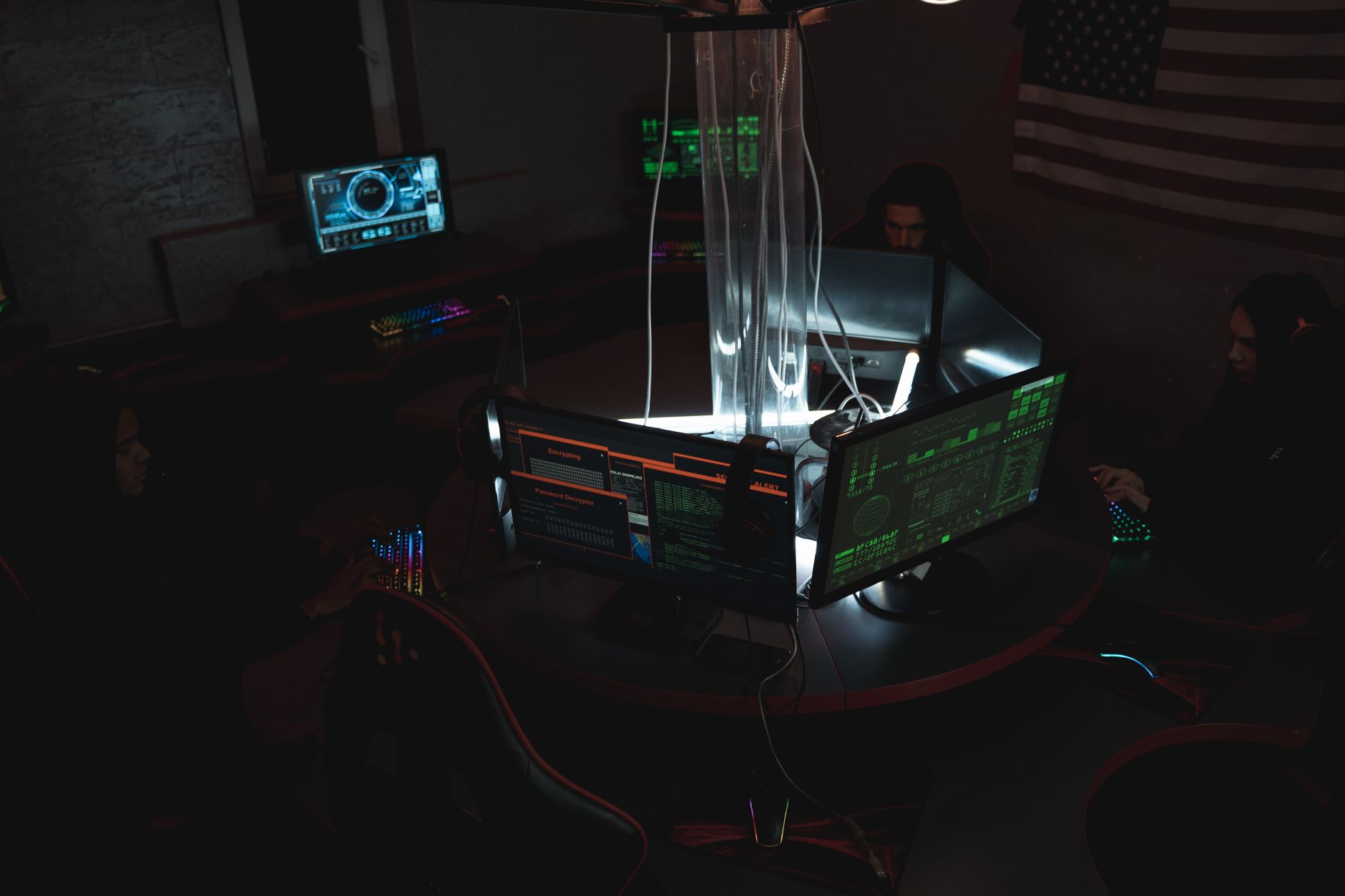
Hackers sell stolen government data through dark-web brokerage sites, private Telegram or Signal deals, and search portals for archived stolen emails. Buyers pay in cryptocurrency and receive logins, documents, or bulk identity files they can reuse for fraud. The dark web means sites and forums that need special software to reach and hide users. Listings range from live .gov and .police email accounts to host details, citizen IDs, and stolen-message archives.
Table of Contents
- What products are actually for sale?
- How do sellers reach buyers?
- Why do buyers want trusted accounts?
- How is the data stolen first?
- What limits and defenses matter?
What products are actually for sale?
Abnormal AI researchers found active law-enforcement and .gov/.police email accounts from the US, UK, Germany, India and Brazil sold for as little as $40, according to Infosecurity Magazine in its August 2025 report. Buyers received full SMTP, POP3, and IMAP credentials for direct login. Payment was in cryptocurrency, with delivery over Telegram or Signal.
Stolen government IDs trade as bulk commodities. Coveron with NordLayer Intelligence counted 5,885 posts selling SSN packages from June 2024 to June 2026, according to its 2026 SSN research. A single SSN fetched up to $2, while lots of 100 or more sold for under $1 per record.
How do sellers reach buyers?
Sellers advertise in dark-web markets, brokerage sites, and encrypted chat channels. They post prices, contact methods, and proof samples such as redacted inboxes or file trees. Repeat vendors build trust through reviews and escrow.
Some operations run more like services than one-time dumps. A joint FBI, CISA, NSA and allied advisory described Beijing contractor Integrity Technology Group operating a portal for third-party access to archived stolen emails from Southeast Asian governments and others. Access replaces file delivery and lets customers search old messages on demand.
Why do buyers want trusted accounts?
Sellers market specific criminal uses rather than only access. Dark Reading reported that pitches focus on impersonation, fraud, and bypassing verification because .gov and .police mail earns recipient trust. Institutional trust becomes the product.
Buyers use the trusted inboxes to impersonate officials. Reported abuses include fake subpoenas and fraudulent emergency data requests sent to tech and cloud providers. Those messages can extract sensitive user data and defeat normal account checks.
How is the data stolen first?
Attackers first steal accounts with simple methods, according to The Register in its August 2025 coverage. Methods include credential stuffing that exploits password reuse, infostealer malware that harvests browser-saved logins, and targeted phishing. Social engineering completes the set.
Abandoned access also matters. CISA and MS-ISAC reported that intruders entered a state-government network through a compromised former employee account. The stolen host, user, and metadata details later appeared on a brokerage site.
What limits and defenses matter?
Many listings are unverified allegations, SOCRadar warned in its dark-web monitoring report. Examples include claimed multi-million-record court dumps and 150-million driver's-license collections.
A forum ad alone does not prove breach, freshness, or validity. CISA urges agencies to disable former-employee accounts promptly, enforce phishing-resistant multifactor authentication, audit privileged accounts, and watch brokerage sites for leaked data, according to advisory AA24-046A. For readers, steps are narrow:.
- Reuse no government or work password on outside sites
- Save logins in a password manager, not a browser prompt
- Report suspect .gov requests through a known official channel
- Freeze credit after SSN exposure and watch account alerts
You Might Also Like
- What Is a Supply Chain Data Breach in a Government Agency?
- How Does a DDoS Attack Differ From a Government Data Breach?
- Can a Government Shutdown Delay Data Breach Notifications This Winter?