
What to Do If Your Professional Network Is Hacked

If your professional network account has been hacked, the first step is to change your password immediately using a different device that you trust.

If your professional network account has been hacked, the first step is to change your password immediately using a different device that you trust.
Friend request scams become significantly more effective after data breaches because attackers use leaked personal information—names, photos, mutual...
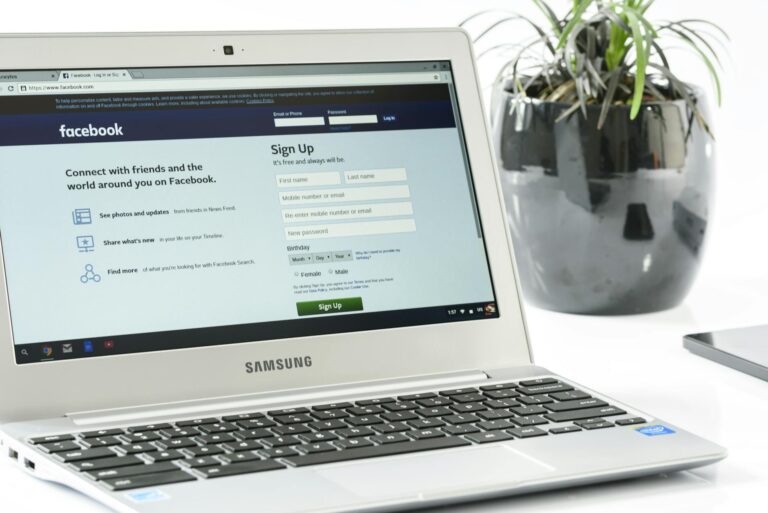
Privacy-focused social media alternatives are platforms designed to limit data collection, prioritize user privacy, and reduce tracking compared to...
Protecting your email contact list requires a multi-layered approach combining encryption, authentication protocols, and strict data governance.

Communication breaches expose far more than just passwords or credit card numbers. When attackers compromise email systems, messaging platforms,...
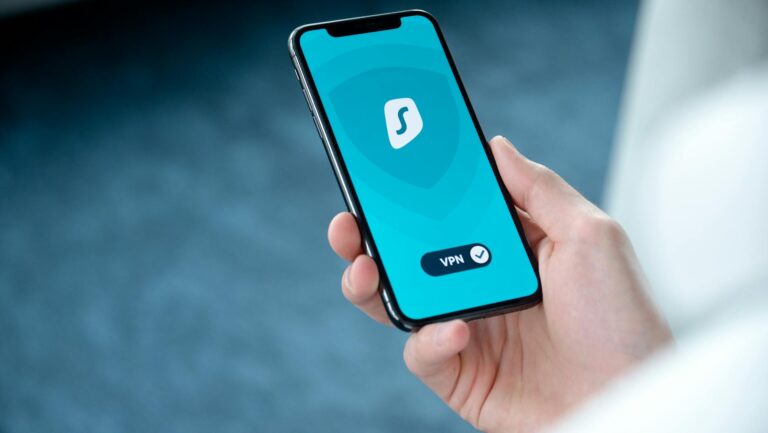
Securing your messaging app privacy starts with understanding that most popular messaging applications now offer end-to-end encryption, which prevents the...

If your Signal app suddenly logs out, messages you never sent appear in your chat history, or your contacts report receiving messages from you that you...
Protecting your Telegram account requires a multi-layered approach that addresses the platform's specific security features and the threats that target...
If your WhatsApp account has been compromised, your first action should be to change your password immediately, verify which devices have access to your...

To check if your contacts were leaked, start by entering your email address into free breach databases like Have I Been Pwned (HIBP), which aggregates...