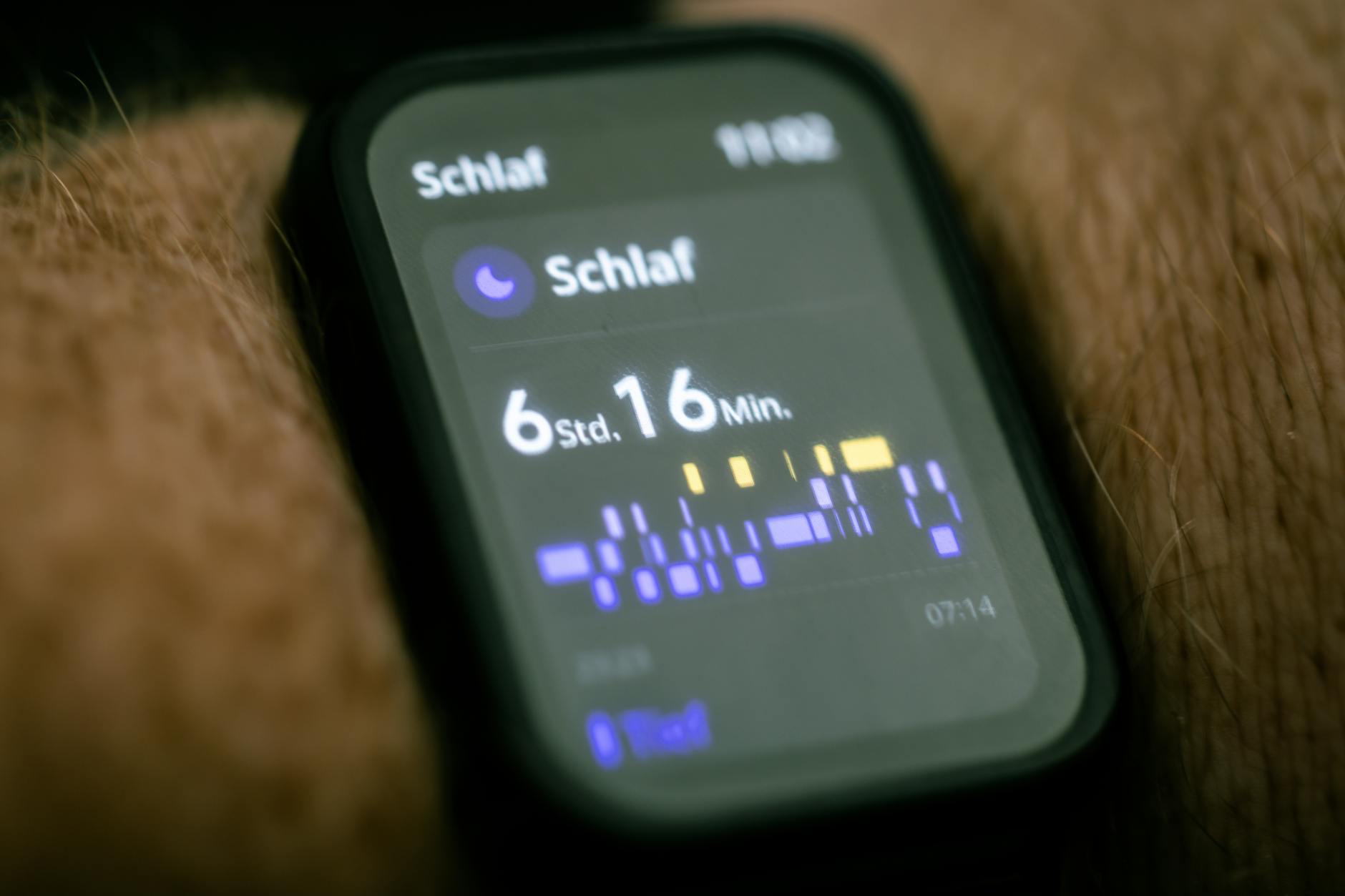
When you use a health tracking app, you’re sharing some of your most intimate data—heart rate, sleep patterns, medications, menstrual cycles, mental health check-ins. The best privacy-focused health tracking apps protect this information by design, limiting what they collect, encrypting what they store, and refusing to sell your data to advertisers or insurers. Apps like Fitbit alternatives (like Garmin) offer end-to-end encryption, local processing of sensitive metrics, and transparent privacy policies that don’t rely on behavioral advertising. For anyone concerned about health data ending up in data broker networks or being weaponized against them in employment or insurance decisions, privacy-first design is no longer optional—it’s essential.
The difference between mainstream health apps and privacy-focused ones often comes down to business model. A free app funded by ad networks has every incentive to extract, analyze, and monetize your health patterns. A privacy-first app, by contrast, either charges a subscription, operates as a non-profit, or builds revenue through features rather than data extraction. This fundamental difference shapes everything from what data gets collected to how long it’s retained and whether third parties ever see it.
Table of Contents
- What Makes a Health Tracking App Privacy-Focused?
- The Trade-Offs Between Privacy and Convenience
- Open-Source and Nonprofit Health Apps
- Encrypted Health Trackers and What Local Processing Means
- The Risk of Data Breaches and Health Data in Breach Databases
- Health Insurance and Employment Discrimination Risks
- The Future of Privacy-Respecting Health Technology
What Makes a Health Tracking App Privacy-Focused?
Privacy-focused health apps share several defining characteristics: local data processing (calculations happen on your phone, not on distant servers), end-to-end encryption (even the company operating the app cannot read your health records), transparent data retention policies, and a refusal to share or sell user data to advertisers, pharmaceutical companies, or insurance brokers. Look for apps that publish regular transparency reports, undergo independent security audits, and allow you to delete all your data permanently.
Apps like Signal (for secure messaging alongside health sharing) and open-source alternatives like Medic Mobile give users visibility into how their data flows. Many privacy-focused health apps also offer data export in open standards like HL7 FHIR, which means you own your health records and can move them between apps without being locked into a single platform. This portability is critical—if a privacy-first app gets acquired and changes its policies, you can leave without losing years of health tracking.

The Trade-Offs Between Privacy and Convenience
Privacy-focused health apps often lack the seamless integrations and feature richness of mainstream alternatives. You won’t get automatic syncing with your smartwatch, AI-powered coaching algorithms, or frictionless social sharing to Facebook. Garmin’s health ecosystem, for instance, keeps more data on-device than Apple Health does, which means you get stronger privacy but less sophisticated cloud-based analysis. If you’re used to seeing personalized insights and trend predictions, a privacy-focused app might feel bare-bones initially.
Another limitation is ecosystem fragmentation. While mainstream health platforms create an all-in-one experience, privacy-focused tools often require you to manually log data or patch together separate apps for different health dimensions. A person managing diabetes, anxiety, and fitness tracking might need three different privacy-respecting apps instead of one unified platform. The trade-off is worth it for many, but it requires more deliberate engagement with your health data.
Open-Source and Nonprofit Health Apps
Open-source health apps like Medic Mobile, Fittr, and Simple Health let you inspect the actual code to confirm privacy claims aren’t just marketing. Nonprofit alternatives like the Mozilla Foundation’s work on health data standards or patient-owned initiatives like Blue Button+ give you apps built around your interests rather than shareholder profit. These projects often lag behind mainstream apps in polish and features, but they offer something more valuable: accountability and the ability to audit exactly what’s happening with your data.
One concrete example is Medic Mobile, used in developing countries for community health worker data collection. Because the code is public and the nonprofit operating it doesn’t monetize user data, health workers in rural clinics can trust that their sensitive health information isn’t being sold to data brokers. The tradeoff is that these apps are usually built for specific use cases rather than general health tracking, and support is minimal compared to venture-backed apps.

Encrypted Health Trackers and What Local Processing Means
Apps like Garmin and some Fitbit alternatives process sensitive calculations locally on your device rather than uploading raw data to the cloud for analysis. Your heart rate variability score is calculated on your watch, not on a server that could be breached or subpoenaed.
This matters especially for sensitive metrics—a depression screening score, a fertility window calculation, a weight trend—that you may not want stored in anyone’s database. When evaluating health apps, ask specifically: where is the machine learning happening? If the app says it offers “personalized insights,” are those insights generated on your device or on their servers? Apple’s approach is a hybrid—some processing happens on-device, but health trends and alerts still require cloud sync. A fully privacy-focused alternative like a personal health dashboard would keep all processing local and sync only encrypted data to a backup.
The Risk of Data Breaches and Health Data in Breach Databases
Even privacy-conscious companies get breached. In 2023, a vulnerability in a popular fitness app exposed pregnancy tracking data for users who thought their information was private. The risk here isn’t just exposure of current data, but the long-term sale of breached health records to data brokers. Your health history might be bundled with your address and sold to pharmaceutical marketing firms or insurance companies.
Some health apps are especially vulnerable because they operate with minimal security infrastructure—a small fitness startup has no security team compared to Apple or Google. This is why privacy-focused apps should ideally operate with zero-knowledge architecture: even if breached, the stolen data is encrypted and useless to attackers. Before choosing an app, verify that it publishes security audit results from reputable third parties, has a bug bounty program, and maintains insurance against data breaches. Apps that won’t disclose their security practices shouldn’t be trusted with your health data.

Health Insurance and Employment Discrimination Risks
Health tracking data can be used against you. Some employers have purchased access to aggregate employee health data, and insurers increasingly use fitness tracking data to adjust premiums. While the Genetic Information Nondiscrimination Act (GINA) restricts some uses, it doesn’t cover all health data or all employment contexts.
A privacy-focused health app minimizes this risk by ensuring your data never reaches insurance company or employer databases in the first place. For people in precarious employment situations or managing chronic conditions, this protection is essential. Using an app controlled by a mainstream tech company that also partners with healthcare systems and insurers creates a risk that your health data could be correlated with your identity and financial status. Privacy-focused alternatives sever these connections by design.
The Future of Privacy-Respecting Health Technology
Privacy-preserving technologies like differential privacy and federated learning are beginning to appear in health apps, allowing for data analysis and research without exposing individual user records. Some health apps are experimenting with running AI models directly on your device, so aggregate insights can be generated without your raw data ever leaving your phone. As regulation around health data strengthens—particularly with enforcement of HIPAA and emerging privacy laws—expect more mainstream apps to adopt privacy-by-design principles.
The long-term trajectory is toward decentralized health records that you control, with apps that connect to your personal health repository rather than extracting data into closed systems. Projects working toward this future include open standards like FHIR, patient-empowered platforms like CommonHealth, and legislation pushing toward patient data ownership. Supporting privacy-focused apps now accelerates this shift.
You Might Also Like
- Best Privacy Settings for Health Apps
- What Happens When Mental Health Records Are Breached
- Signs Your Mental Health App Has Been Hacked