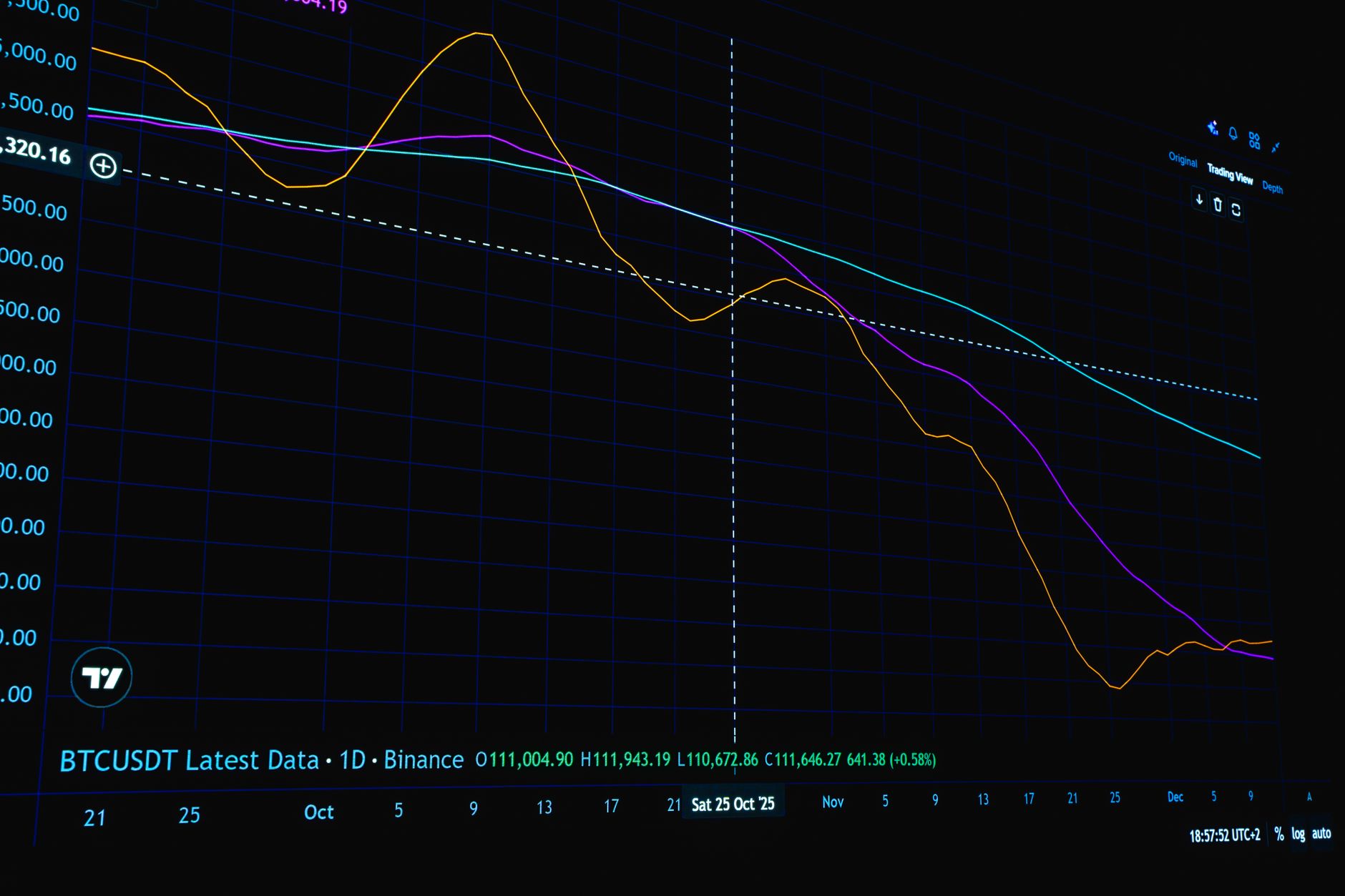
Binance confirmed that unauthorized transfers on Oct. 29 drained about $6.3 billion from its hot wallets.
Investigators call it the largest cryptocurrency theft on record, according to Cointelegraph in its recap of how the record $6.3 billion hack unfolded. Hot wallets are internet-connected crypto wallets used for fast deposits and withdrawals. The theft hit those operational wallets, not offline cold storage.
Table of Contents
- How fast did the theft happen?
- How did attackers get inside?
- Who is blamed?
- Will customers get their money back?
How fast did the theft happen?
TRM Labs traced the first unauthorized transfers to about 8:05 p.m. UTC on Oct. 29. Binance wallets were drained across 10 blockchains, mostly within about 20 minutes.
That speed matters for defenders. Automated drains across many chains leave little time for manual freezes. It also spreads the funds across different networks and bridges. Decrypt compared the theft to the February 2025 $1.5 billion hack of crypto exchange Bybit. The Binance theft is roughly four times larger.
How did attackers get inside?
Binance said the intrusion followed a months-long operation against a wallet engineer. The attackers used a fake job interview and a tampered developer tool, according to SOFX in its report on the fraudulent job interview and tool. That access then led to exploitation of an Ethereum feature and Binance tooling. The sequence fits a supply-chain style attack.
One compromised workstation opened a path to sensitive signing systems. For security teams, the lesson is direct. Hiring contacts, coding tests, and developer tools are active attack paths. They need the same checks as email attachments and remote access.
Who is blamed?
TRM Labs, Chainalysis and the FBI attributed the attack to North Korea's TraderTraitor unit. That same unit was also blamed for the Bybit theft. Binance has not independently named the attacker.
That split is common in major incidents. Vendors and agencies may publish attribution before the victim confirms it. TraderTraitor is known for social-engineering campaigns against crypto workers. Fake recruiters, coding tasks, and trojanized tools are its repeated methods.
Will customers get their money back?
Binance said it reserved more than $6.34 billion in company funds to restore customer balances, according to CoinDesk in its report on Binance's cover for hack losses. About $2.85-$3 billion in stolen assets had been frozen with industry partners, according to Engadget in its report on the frozen funds and reopened withdrawals. Withdrawals were paused after the transfers, then later reopened for affected users.
Freezing does not equal recovery. Frozen funds can remain contested while tracing and legal steps continue. Cointelegraph cautioned that the figures may change because the investigation is ongoing. Check Binance's own updates before acting on totals shared elsewhere.
- Check Binance updates for your account and withdrawal status
- Treat loss, attribution, and recovery totals as preliminary
- Act only on figures Binance confirms for your balance
You Might Also Like
- Binance’s $6.3 Billion Hack Highlights Crypto Exchange Data Breach Risks
- How Crypto Exchanges Are Responding to Ransomware Threats After Binance
- Why Year-End Is a Peak Season for Financial Cybersecurity Threats