LastPass Security Incident: Personal Details Exposed, Your Passwords Still Protected
LastPass exposed 1.6 million users’ personal data, but kept passwords encrypted—here’s what actually happened and what’s still at risk.
Breaking news on recent data breaches
LastPass exposed 1.6 million users’ personal data, but kept passwords encrypted—here’s what actually happened and what’s still at risk.

Scammers weaponize breach details to create fake surveys that harvest additional data from vulnerable customers.
Data collection security begins with not collecting unnecessary information in the first place—then protecting what you do collect through encryption, access control, and regulatory compliance.
Survey platform breaches expose names, payment methods, behavioral profiles, and authentication credentials in one unified dataset.

Your form submission appeared successful, but attackers often make compromises invisible—learn how to detect the warning signs before your data is stolen.
Form submission data is a prime target for attackers, but layered defenses can protect it from breach.
Your survey data was exposed in a breach. Here’s what actually stops identity thieves.
Stolen contact segments often go undetected for months—here’s how to find out if yours are exposed.
Email tracking is industry standard, but new laws require explicit consent—and enforcement is accelerating worldwide.
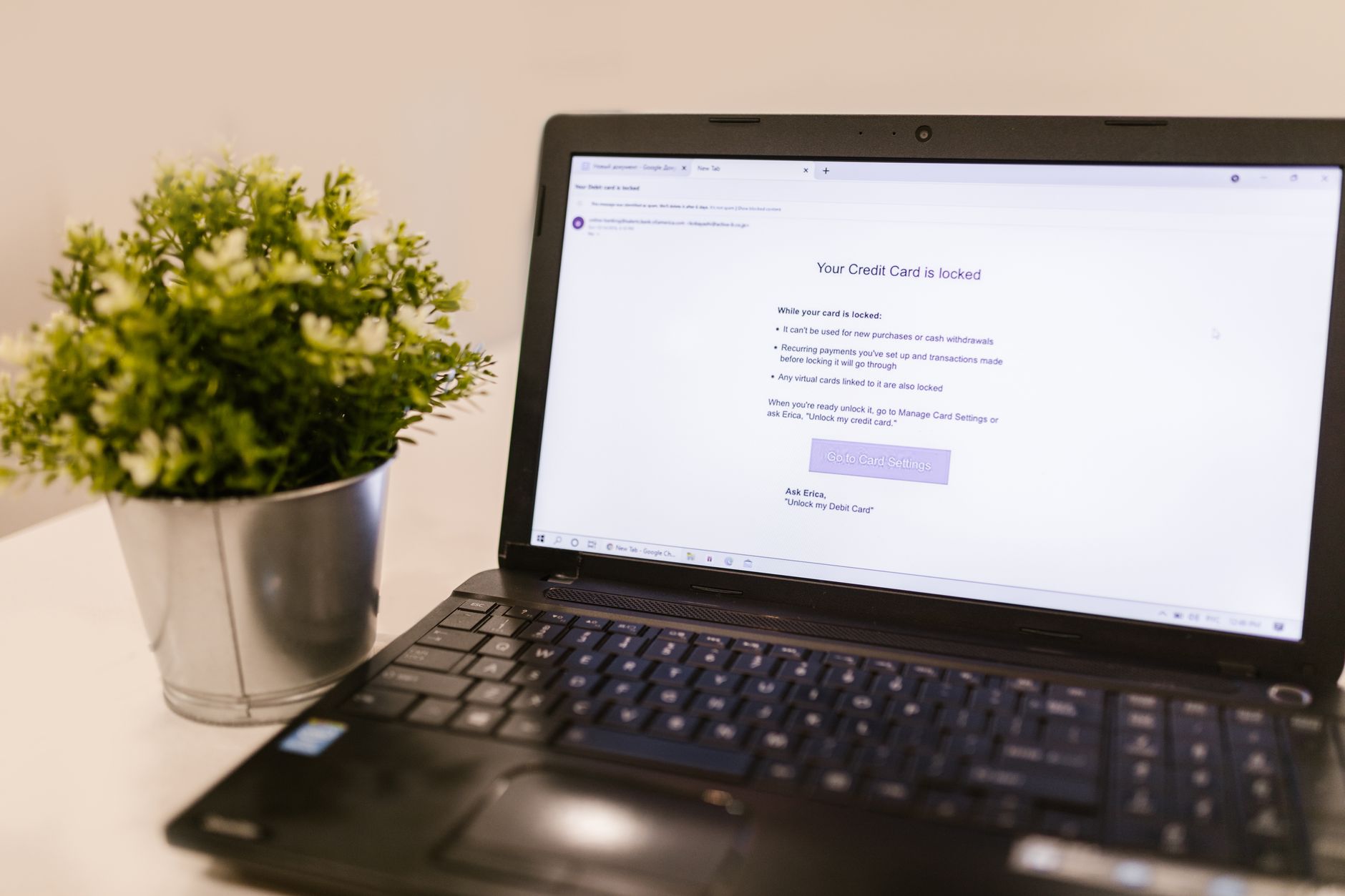
Email marketing platform breaches expose millions of customer lists, authentication credentials, and campaign data in a single attack, compromising thousands of downstream businesses simultaneously.