How to Verify Government Data Breach News Claims in 2026: breach notices and security advisories, Evidence, and Red Flags
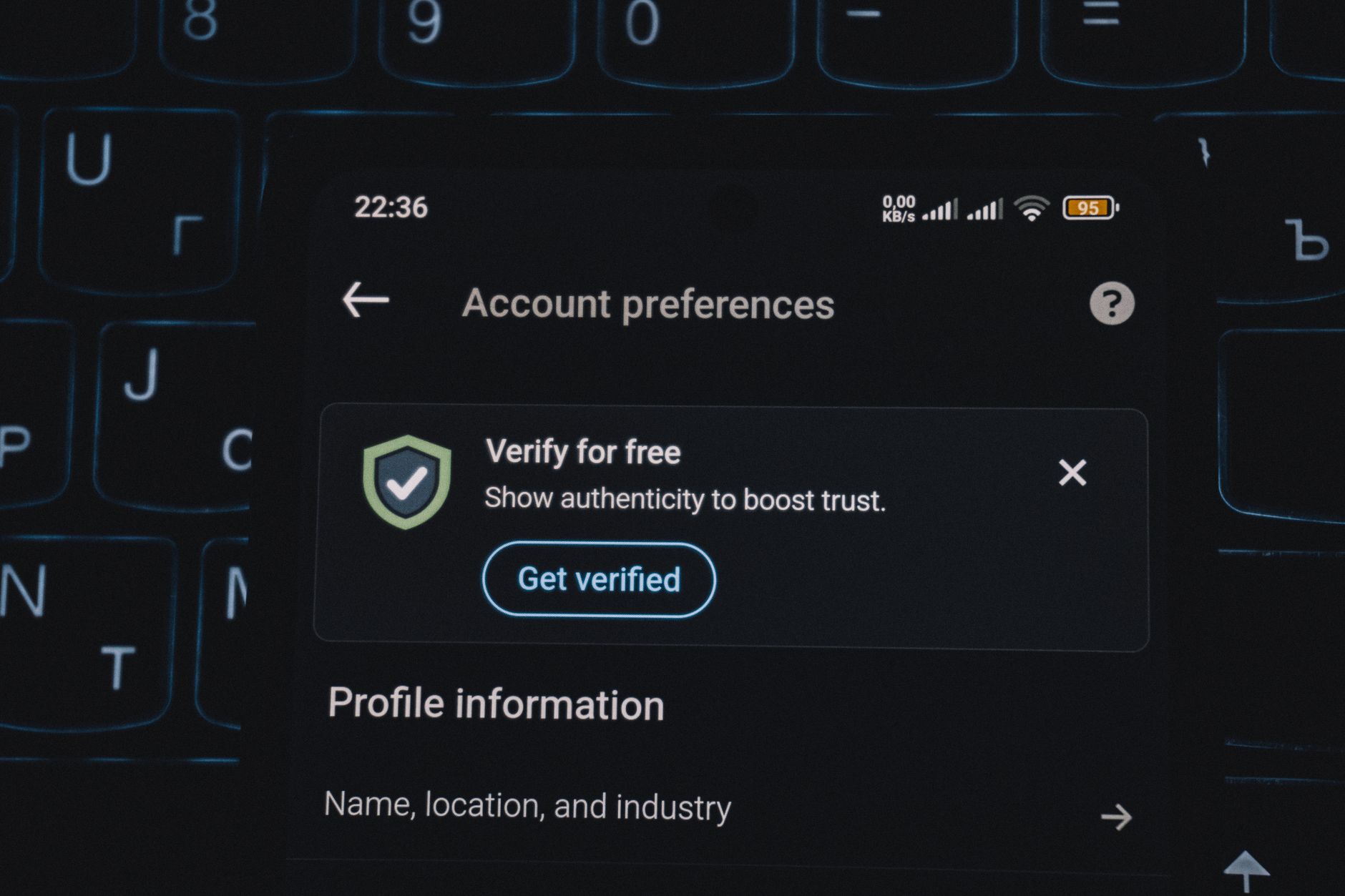
Learn to match breach headlines to official notices, filings, and advisories before you act or share.
Government and public sector data breaches
Learn to match breach headlines to official notices, filings, and advisories before you act or share.

Check if your military family is affected and get IDX monitoring, credit freezes, and fraud steps before Aug. 19, 2027.

See which September government breaches affect you and what steps protect your SSN, license, and court records.
Learn how to interpret 2026 government breach reports, assess exposure, and take practical recovery and identity-protection steps.

Find out what to ask the Legal Aid Agency, how to request your data, and how to spot suspicious contact after the breach.

Learn how to assess messages about past legal-aid applications and protect passwords, bank details and personal information.
Learn the legal, privacy and malware risks of seeking stolen LAA files—and the safer steps to take instead.

Follow the LAA’s official timeline to see why the potential applicant-data exposure expanded from 2010 to 2007.
Understand why the LAA breach does not show a solicitor’s network was hacked, while spotting the fraud risks it can create.
Legal-aid providers can use these checks to spot payment-change scams after the LAA’s possible exposure of bank details.