Scammers Impersonate OpenAI Organizations to Compromise Cybersecurity Company Credentials

Fake OpenAI organization invites passed email authentication checks, making them nearly impossible for employees to spot.
Identity theft prevention and news
Fake OpenAI organization invites passed email authentication checks, making them nearly impossible for employees to spot.

A Walcott man issued life insurance policies on family members without their knowledge, forging signatures and collecting over $36,000 in fraudulent commissions.

Obfuscated phishing kits exploit the trust users place in email to harvest Microsoft 365 credentials through hidden malicious code that evades security detection.

Hotel chains are targets of sophisticated phishing attacks that embed Node.js malware within compressed image files, bypassing traditional security awareness.
College consultants promise shortcuts to elite admissions. Here’s how to identify the ones who are stealing money instead.
Scammers weaponize breach details to create fake surveys that harvest additional data from vulnerable customers.

Poll platforms collect far more data than your answer: your IP address, device fingerprint, and even voting patterns remain vulnerable to breaches and re-identification.
Customer feedback systems face rising data breach risks—here’s how to protect the sensitive information your customers trust you with.

Your unsent emails may be copied across servers worldwide the second you start typing. Here’s how to keep drafts actually private.
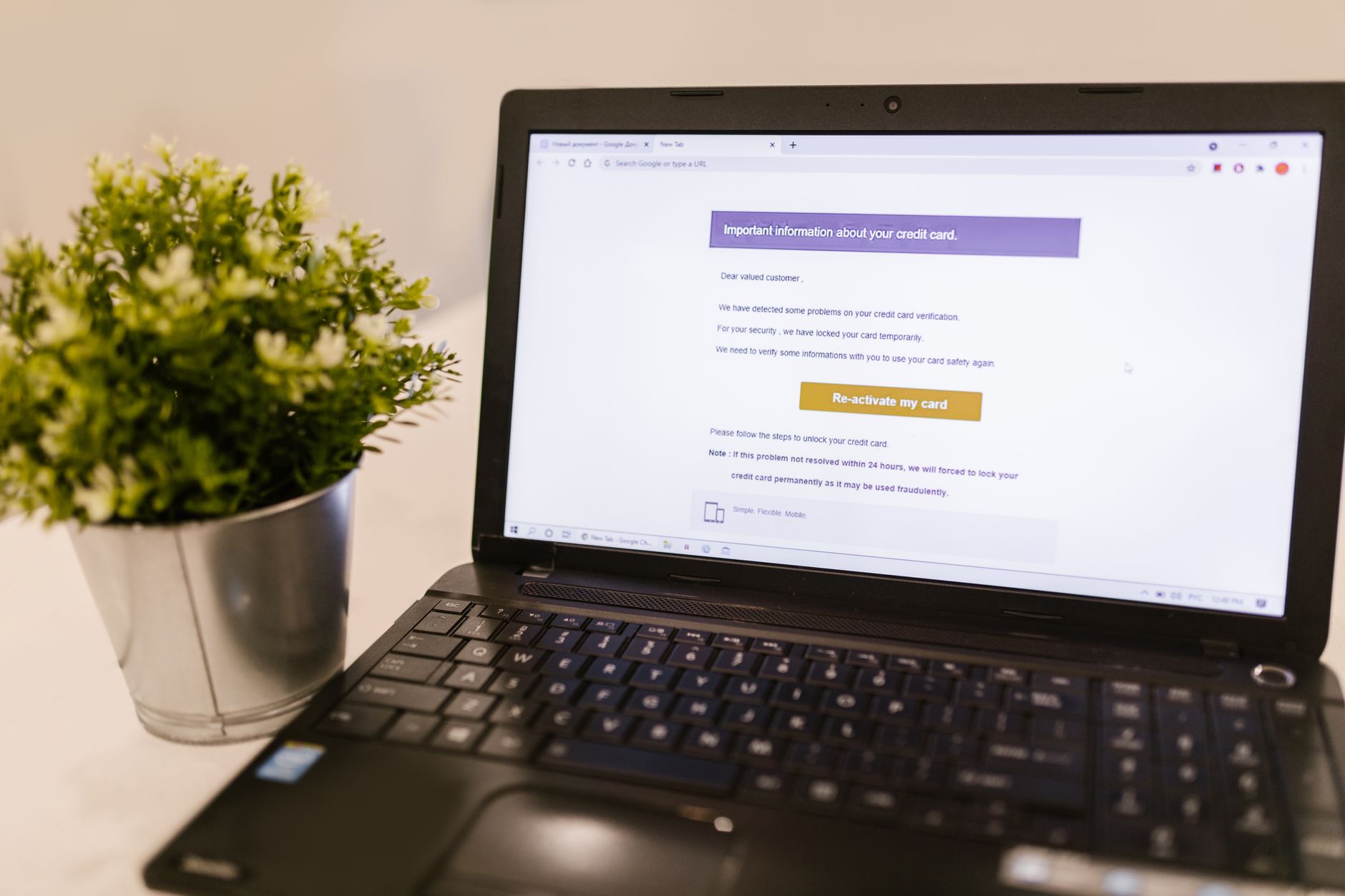
Email signatures can be spoofed, stolen, or manipulated to impersonate you. Protect them through account security, domain authentication, and cryptographic signing.