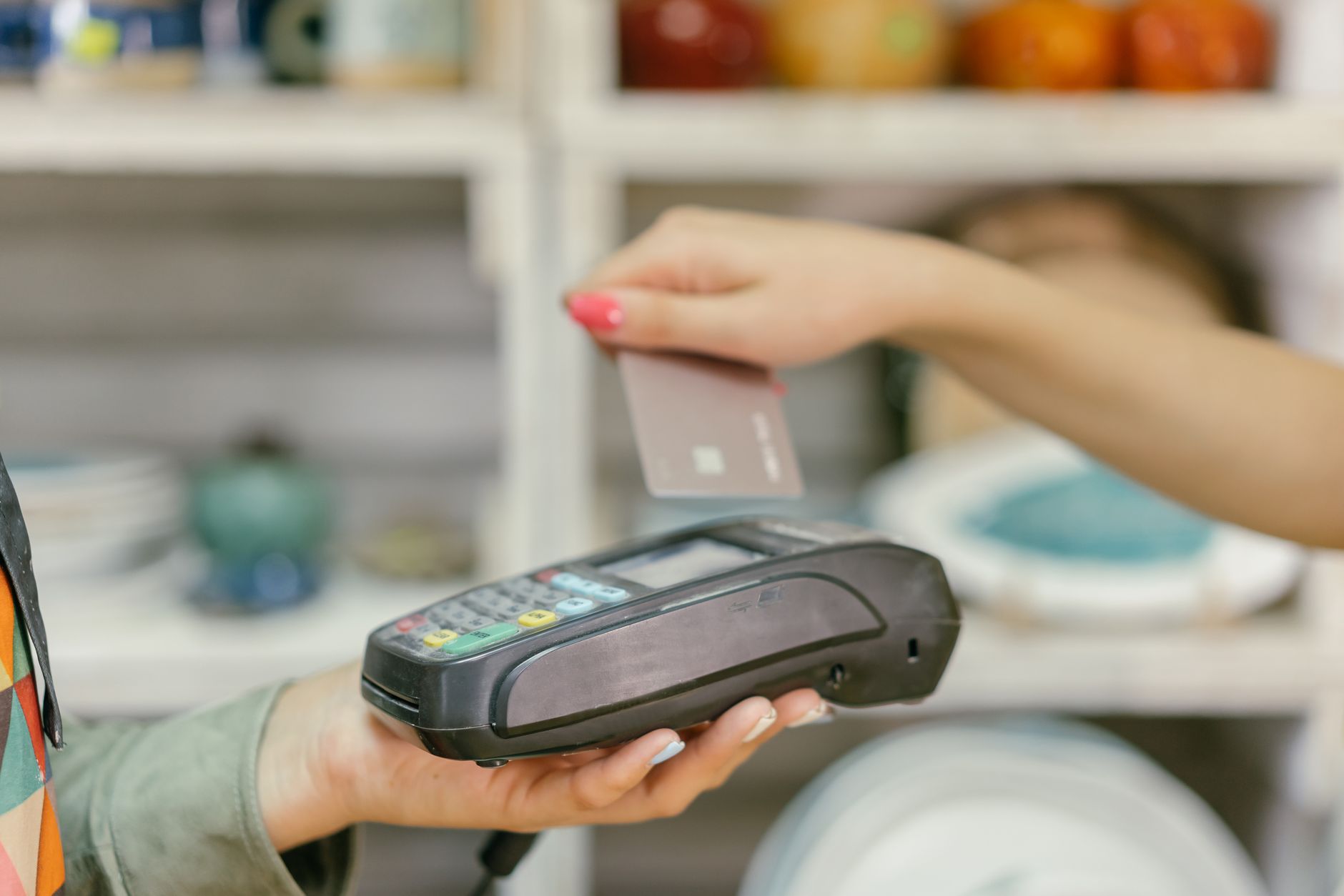
Credit card fraud news in 2026 includes physical skimming, stolen-card purchases, identity theft, and scams that trick victims into transferring money. Cardholders, benefit recipients, businesses, and rental companies may be affected; anyone seeing unauthorized activity should contact the card issuer immediately. Credit card fraud means using card information or a cardholder's identity without permission for purchases, withdrawals, or related crimes. Available federal data show substantial reported losses, but they do not measure every fraud incident.
Table of Contents
- What happened in 2026?
- How large is the reported problem?
- Who could be affected?
- Watch for fake bank-security messages
- What should you do next?
What happened in 2026?
In March, the Justice Department announced sentences for two men who placed 23 payment-card skimmers at 12 retail locations in Alabama and Mississippi. The devices compromised credit, debit, and EBT-card data, causing $50,978 in known fraudulent losses while targeting nearly $1.8 million, according to the DOJ's sentencing announcement. Skimmers capture payment-card information at compromised terminals. This case shows that exposure can extend beyond conventional credit cards to debit cards and electronic benefit transfer cards.
In August, federal prosecutors charged six defendants with allegedly using stolen credit cards and victims' identities to rent and steal cars across the Northeast. The reported victims included cardholders and rental companies, according to the DOJ's charging announcement. Charges are allegations, not findings of guilt. The defendants are presumed innocent unless proven guilty.
How large is the reported problem?
The FBI's Internet Crime Complaint Center recorded $282 million in reported 2025 losses categorized as credit-card/check fraud. That category ranked tenth among complaint types by loss in the FBI IC3 report. That figure is not an estimate of total credit card fraud. It counts losses submitted to IC3, combines credit-card and check fraud, and excludes incidents that victims did not report there.
FTC data provide a wider view. Consumers reported about $16 billion in total fraud losses during 2025, roughly 25% more than in 2024. That total covers many kinds of fraud, so it should not be presented as a credit-card-loss figure. For additional context, the FTC logged 108,881 reports naming credit cards as the payment method in 2024, with $275 million in associated reported losses. The agency cautions that these are unverified consumer reports, not survey results.
Who could be affected?
The documented cases involve several groups: A card number can be only one part of an incident. The rental-car allegations show how stolen payment details and identity information may be combined to obtain valuable property.
The effect also varies by victim. A cardholder may face unauthorized charges and replacement-card disruption, while a company may lose property or spend time investigating a fraudulent transaction.
- Credit cardholders whose account numbers or identities are used without permission.
- Debit and EBT-card users whose data are captured by physical skimmers.
- Businesses that receive fake security alerts or have payment credentials compromised.
- Rental companies that accept transactions made with allegedly stolen cards and identities.
Watch for fake bank-security messages
Not every card-related loss begins with stolen card data. The FTC found that fake bank-security alerts can persuade people to transfer money directly to criminals. Business-impersonation losses approached $1 billion in 2025, with bank impersonators causing the highest reported losses within that subgroup.
One documented approach uses an urgent text claiming suspicious activity on a business credit card. The message directs the recipient to a link or phone number controlled by scammers, who then pressure the victim to move funds. Treat unexpected security messages as unverified, even when they mention a familiar bank or card. Do not use the contact information in the message; reach the bank through the number on the card, its official app, or another known-good channel.
What should you do next?
If you find an unauthorized credit-card transaction, contact the issuer immediately. Also send a written billing-error notice within 60 calendar days after the statement containing the charge was sent, as explained by the Consumer Financial Protection Bureau.
Take these steps: A credit freeze blocks new credit accounts while it remains active. It is especially relevant when the exposure involves identity information, not just one questionable transaction.
- Identify the disputed transactions and save relevant statements or messages.
- Call the issuer through a trusted number and request appropriate account protection.
- Send the written billing-error notice within the 60-day period.
- Replace the card if its number may have been exposed.
- Review other transactions for activity you do not recognize.
You Might Also Like
- Cybersecurity — Identity Theft News Guide 2026: What Happened, Who Is Affected, and Next Steps
- Cybersecurity Breach Guide 2026: What Happened, Who Is Affected, and Next Steps
- Data Breach Guide 2026: What Happened, Who Is Affected, and Next Steps