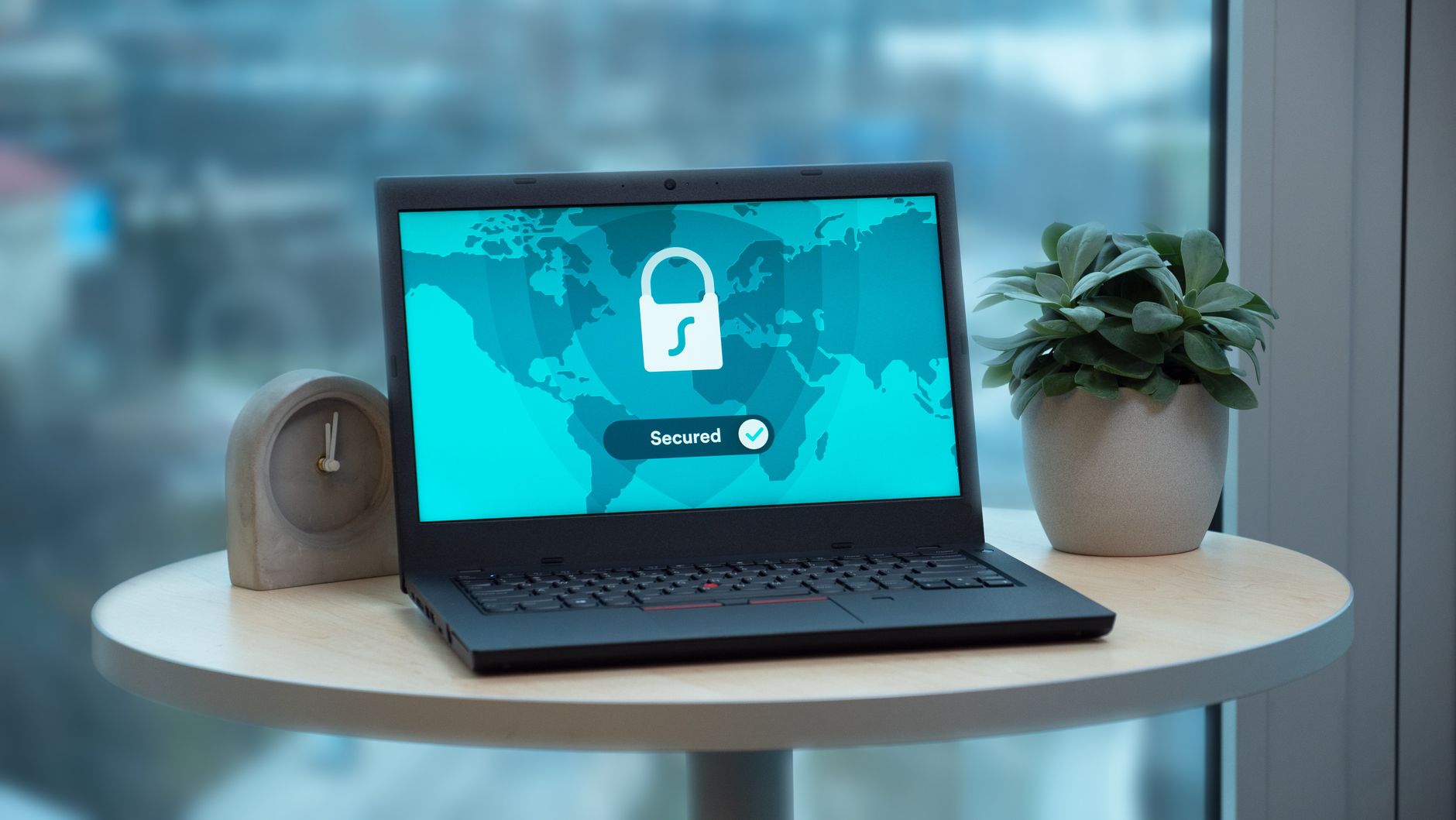
Multi-factor authentication prevents healthcare data breaches by requiring a second proof of identity beyond a password, so a stolen login alone cannot open patient systems. Multi-factor authentication, or MFA, means a password plus something else such as a security key, app code, or fingerprint. That second check matters because stolen credentials remain a leading way into health networks. Hospitals hold records that sell well and disrupt care, which keeps them heavily targeted.
Table of Contents
- Why stolen passwords open health records
- What one missing MFA check allowed
- Which MFA types resist phishing
- What healthcare teams should deploy now
Why stolen passwords open health records
Attackers often start with a username and password taken by phishing, malware, or reuse from another breach. Those credentials were the top initial-access vector in 22% of 2025 breaches and powered most basic web-application attacks, according to Verizon reporting. Remote portals, email, billing systems, and vendor accounts all accept passwords, so one leak can expose many doors.
Healthcare pays more when those doors open. Breaches averaged $7.42M in IBM's 2025 report and remained the costliest industry for the 14th straight year, according to IBM and Ponemon. Lost care time, notification, recovery, and regulatory risk raise the return on stopping logins early.
What one missing MFA check allowed
Attackers entered Change Healthcare in February 2024 with stolen credentials through a Citrix remote-access portal without MFA, then moved inside for nine days before deploying ransomware. UnitedHealth CEO Andrew Witty described that sequence in May 1, 2024 Senate testimony, as reported in Senate testimony reporting on the Change attack.
UnitedHealth later confirmed the breach affected about 190 million people, making one unprotected server part of a very large U.S. health-data exposure. The lesson is narrow: remote access, vendor accounts, and legacy portals need MFA first because attackers test them first.
Which MFA types resist phishing
Not every second factor gives equal protection. SMS codes, emailed codes, and plain push approvals can fall to relay kits, SIM swap or SS7 interception, and repeated push prompts that wear users down. CISA urges healthcare and other targeted organizations to deploy phishing-resistant MFA such as FIDO2/WebAuthn security keys or PKI smart cards, with number-matching push as an interim step, according to the CISA fact sheet on phishing-resistant MFA.
A joint FBI-CISA-HHS advisory on the Daixin Team, which targets U.S. healthcare with ransomware and extortion, also lists phishing-resistant MFA among core defenses. Keys bind the login to the real site, so a fake page cannot reuse the approval.
What healthcare teams should deploy now
Start with every internet-facing login: remote access, email, VPN, cloud records, billing, and vendor access. Microsoft telemetry finds that enabling MFA blocks more than 99.9% of automated account-compromise attacks, according to the Microsoft research on account attacks.
HHS proposed on Dec. 27, 2024 to require MFA for all access to electronic protected health information, alongside encryption, inventories, testing, and recovery plans, according to the HHS fact sheet on the proposed rule. Final action was still pending in 2026, so enforce MFA by policy now rather than waiting.
- Require phishing-resistant MFA for administrators, remote users, and vendors.
- Use number-matching push only where keys are not yet possible.
- Remove SMS codes for privileged and remote access.
- Review logs for password-only logins, dormant accounts, and push fatigue.
You Might Also Like
- Why Shadow AI Tools Are Causing Healthcare Data Breaches
- How Spreadsheet Sharing Errors Lead to Healthcare Data Breaches
- How AI Platforms Are Becoming a New Source of Healthcare Data Breaches