Protecting your coffee subscription account requires a layered security approach that combines strong authentication, account monitoring, and awareness of the specific vulnerabilities that plague subscription services. Most coffee subscription platforms—from Blue Bottle to Nespresso—store your payment information, delivery addresses, and purchase history on their servers, creating a valuable target for attackers. In 2024, a breach of a popular specialty coffee retailer exposed over 150,000 customer records, including encrypted passwords and payment method fragments, demonstrating that even established companies can be compromised.
The key to account security is recognizing that your coffee subscription isn’t just about flavor preferences—it’s a financial and identity exposure point that requires the same vigilance you’d apply to banking or email. A single compromised coffee account can lead to fraudulent charges, delivery address changes that enable theft, or credential stuffing attacks on other accounts that share the same password. By implementing specific protective measures, you can reduce your risk significantly.
Table of Contents
- What Makes Coffee Subscription Accounts an Attractive Target?
- Why Your Password Alone Won’t Protect Your Account
- Implementing Multi-Factor Authentication on Your Subscription
- Password Managers Versus Manual Password Management
- Monitoring for Unauthorized Access and Fraudulent Charges
- Avoiding Phishing Attempts and Fake Coffee Company Communications
- Future Security Trends in Subscription Account Protection
What Makes Coffee Subscription Accounts an Attractive Target?
Coffee subscription accounts sit at an intersection of vulnerabilities that makes them particularly attractive to cybercriminals. These accounts typically combine payment information, recurring billing access, and delivery addresses—creating a “three-in-one” attack opportunity. Unlike a single purchase, a compromised subscription can generate ongoing fraudulent charges until you notice them, sometimes weeks or months later. The recurring nature means attackers can test stolen credentials repeatedly; if one payment fails, they’ll try again with the next billing cycle. Payment processors show that subscription-based accounts experience 2.5 times more fraud attempts than one-time purchase accounts, primarily because compromised credentials can be monetized repeatedly.
A criminal who gains access to your Peet’s Coffee subscription might immediately change the delivery address to intercept premium shipments, or they might stockpile your account for weeks before using the payment method for unrelated purchases. The delayed detection window—many customers don’t notice subscription fraud for 30 to 60 days—gives attackers a substantial head start. Additionally, coffee subscription platforms often have less sophisticated security infrastructures than large e-commerce giants. Smaller specialty roasters may store passwords in plaintext, fail to implement multi-factor authentication, or use outdated encryption methods. This means your account’s security depends not just on your own habits, but on decisions made by companies with varying security maturity levels. A breach of a smaller platform can compromise customer data just as severely as a breach of a major retailer.
Why Your Password Alone Won’t Protect Your Account
A strong password is essential but insufficient on its own, particularly for accounts linked to payment methods. Even if you create a 24-character, randomly-generated password with special characters, you remain vulnerable to breaches of the coffee company’s own servers, phishing attacks that steal your credentials, or credential stuffing if you’ve reused the password anywhere else online. A 2023 analysis of major data breaches found that 60 percent of compromised credentials were still valid months after the breach was public, suggesting that password-only protection leaves a long window of vulnerability. The limitation here is that password strength is only one variable you control. You cannot dictate how securely the coffee company stores or transmits your password, whether their staff follow security protocols, or if a third-party vendor they contract with implements proper encryption.
Many coffee subscription platforms use generic e-commerce platforms that handle security centrally, meaning a vulnerability in the platform affects hundreds of companies simultaneously. If Shopify (which powers numerous specialty roasters) suffers a vulnerability, your account becomes exposed regardless of your password strength. Password-only security also fails against phishing. A convincing email claiming your account has unusual activity, or a fake login page that mirrors the real coffee company’s site, can trick you into surrendering credentials even if your password is strong. This is why authentication methods beyond passwords—specifically multi-factor authentication—are critical for accounts with payment information attached.
Implementing Multi-Factor Authentication on Your Subscription
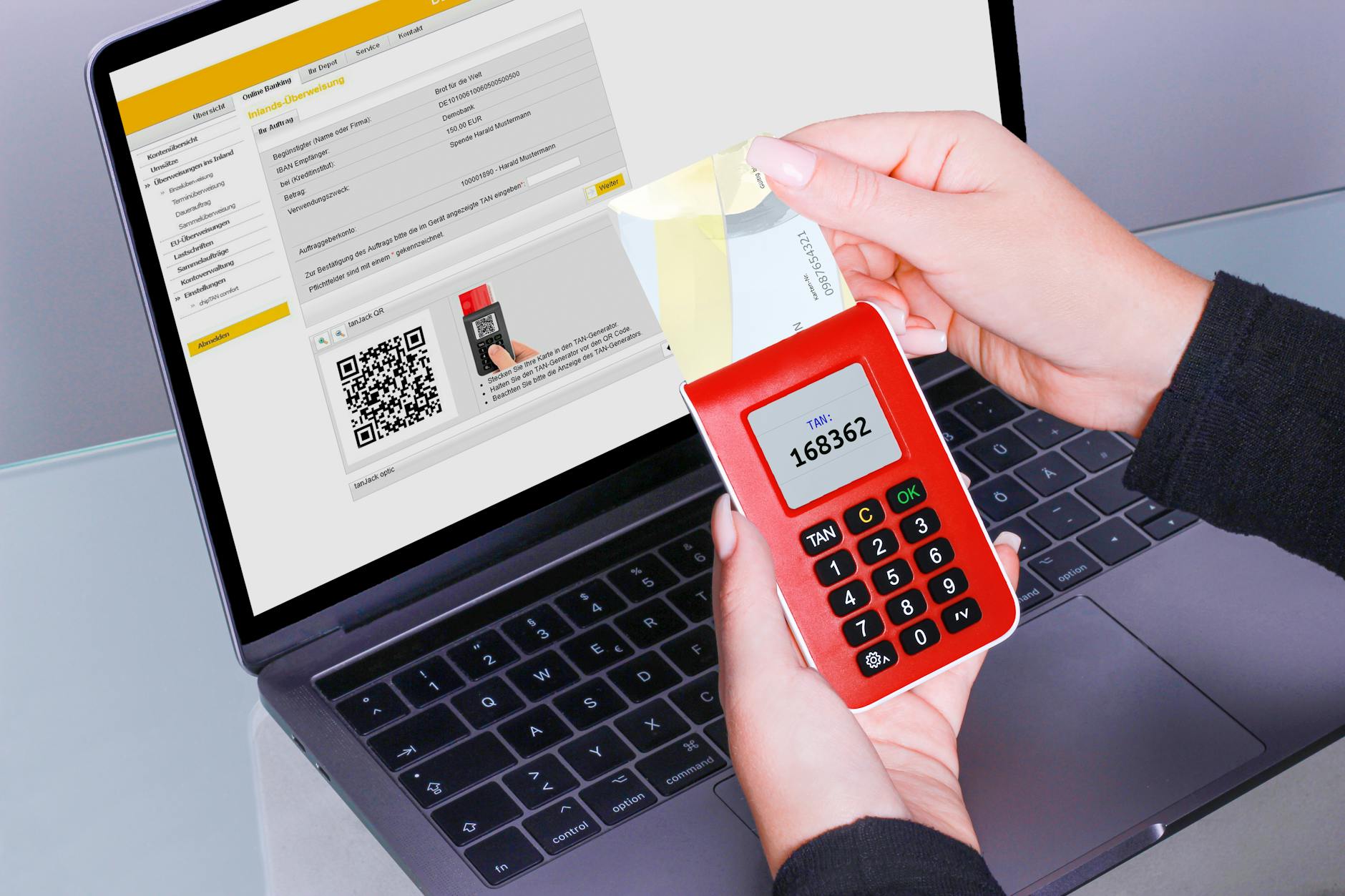
Multi-factor authentication (MFA) requires you to verify your identity using two or more methods, typically something you know (password) and something you have (a phone, security key, or authentication app). Most major coffee subscription platforms now offer MFA through either SMS codes, authenticator apps, or both. Enabling MFA on your account means that even if an attacker steals your password, they cannot access your account without also compromising your second authentication method. The most secure approach is using a hardware security key like a YubiKey or Titan, which provides phishing-resistant authentication that SMS and authenticator apps cannot match. However, most coffee platforms only support MFA via SMS or apps like Google Authenticator.
If your platform supports authenticator apps, that’s meaningfully better than SMS, since SMS codes can be intercepted through SIM-swapping attacks or compromised through telecom vulnerabilities. A financial services report found that SIM-swap attacks successfully compromised accounts in 23 percent of cases where SIM-swapping was attempted, whereas authenticator app codes remain secure as long as your phone isn’t compromised. Set up MFA immediately upon creating your account. During setup, coffee platforms will usually provide backup codes—a list of one-time use codes to access your account if you lose your phone. Store these backup codes securely in a password manager or safe location separate from your main devices. Without backup codes, losing your phone could lock you out of your subscription during a critical situation.
Password Managers Versus Manual Password Management
Password managers like Bitwarden, 1Password, or KeePass solve two critical problems: they generate unguessable, unique passwords for every service, and they protect you against the most common password reuse scenario. Most people reuse passwords across multiple platforms, which means if one coffee company is breached, attackers will immediately try that same password on your email, banking site, and other critical accounts. A password manager ensures each of your accounts—including your coffee subscription—has a completely unique password that has never been used anywhere else. The tradeoff with password managers is that they introduce a single point of failure; if someone compromises your master password, they can access all your accounts. However, this is still more secure than reusing a simpler password across multiple services, because the impact of compromise is contained to a specific moment rather than ongoing across all your accounts.
If a password manager is breached, the data is encrypted in a way that makes decryption computationally infeasible without your master password. In contrast, password reuse means that a breach of a smaller coffee company immediately puts your email and financial accounts at risk. If you’re not using a password manager, you must at minimum use a password that is unique to your coffee subscription account and is not used anywhere else. Write it down in physical form and store it in a safe, or memorize it if possible. However, memorizing a truly secure password is difficult; most people memorize shorter, weaker passwords that are more vulnerable to brute-force attacks.
Monitoring for Unauthorized Access and Fraudulent Charges
Compromised accounts often show warning signs before they become obvious problems. Many coffee platforms allow you to view your account’s login history—a list of recent locations and devices that accessed your account. Review this list monthly to verify that all logins match your own activity. If you see a login from an unfamiliar city or device, change your password immediately and revoke the unauthorized session if that option is available. The limitation here is that attackers who steal credentials don’t always access your account directly; they may sell stolen credentials to other criminals, or wait weeks before attempting to use them. This means absence of suspicious login activity doesn’t guarantee your account is secure.
Additionally, some coffee platforms don’t provide login history at all, leaving you unable to detect unauthorized access until fraudulent charges appear on your statement. If your platform lacks login history visibility, set up billing alerts through your bank instead—notify your bank to alert you for any unusual activity related to that specific coffee company’s charge. Check your subscription’s active payment methods and billing history monthly. If you see unfamiliar charges, a changed delivery address, or new payment methods you didn’t add, report it immediately to the coffee company and your bank. Subscription fraud often begins with a test charge of a small amount to confirm the payment method works before larger fraudulent purchases. If you catch the first fraudulent charge, you can prevent subsequent ones by updating your payment method and locking your account.

Avoiding Phishing Attempts and Fake Coffee Company Communications
Coffee subscription services send regular emails about shipments, account changes, and promotions. This frequency makes them ideal vehicles for phishing attempts—criminals send convincing fake emails that appear to come from the company and ask you to “verify your account” or “confirm your payment method.” These emails typically include a link to a fake login page that captures your credentials. Never click links in unsolicited emails from coffee companies, even if they look legitimate.
Instead, navigate directly to the company’s website by typing the address into your browser, or use a bookmark you created previously. Look for “https” and a padlock icon in your browser’s address bar; phishing pages are often hosted on servers without proper SSL certificates and will show warnings. Real coffee companies will never ask you to confirm sensitive information via email. If you receive an email claiming account problems, log in directly to the website (not through the email link) and check your account status; legitimate issues will appear in your account dashboard.
Future Security Trends in Subscription Account Protection
Coffee subscription services are gradually adopting stronger security standards, with many major players now implementing MFA by default and using advanced fraud detection to identify suspicious charge patterns. Over the next two years, expect to see wider adoption of passwordless authentication—login methods that don’t rely on passwords at all, using instead biometric authentication or security keys. These methods eliminate password-related attacks entirely and are meaningfully harder to compromise than traditional passwords.
As subscription fraud becomes more sophisticated, companies are also investing in machine learning systems that flag unusual behavior (a shipment to a new address combined with a payment method change, for example). This doesn’t replace your own vigilance, but it creates an additional layer of protection. For your part, staying aware of your subscription’s status and enabling all available security features puts you well ahead of most users in terms of account protection.
You Might Also Like
- How to Protect Your Sports Betting Account
- How to Protect Your Youth Sports Registration Information
- How to Protect Your Weight Loss Program Records