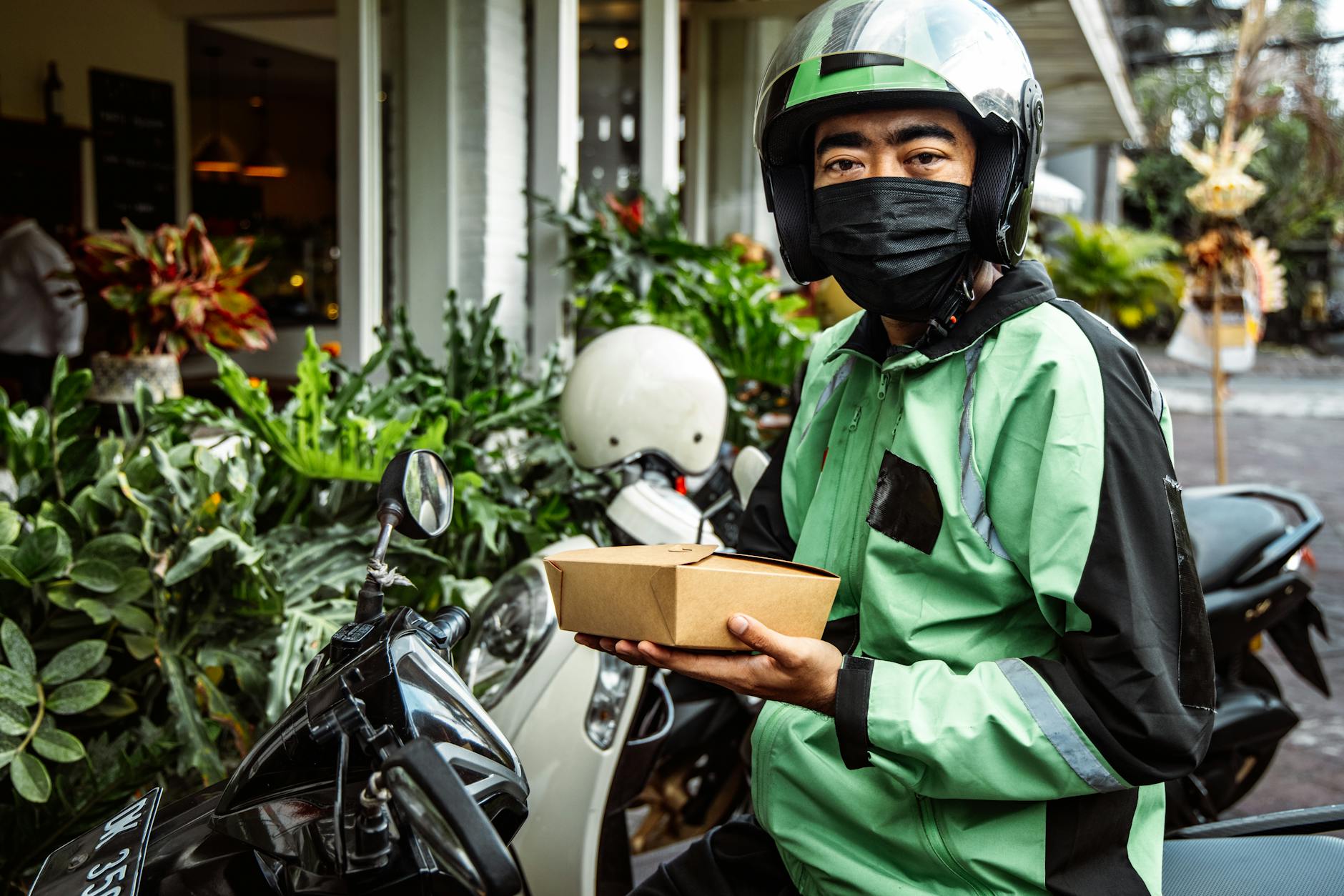
Protecting your food ordering history privacy requires controlling what data you share with delivery platforms, managing your account settings, and understanding how these companies use personal information. Every time you order from DoorDash, Uber Eats, Grubhub, or similar services, you’re creating a detailed record of your dietary habits, location, spending patterns, and personal preferences—data that’s valuable to marketers, data brokers, and potentially to hackers. The good news is that multiple practical steps can significantly reduce your exposure without requiring you to abandon convenient food delivery altogether.
Food delivery apps collect far more than just your order history. They track your location, payment methods, phone number, email address, browsing behavior, and increasingly, your biometric data through app authentication. If a delivery platform is breached—and several have been in recent years—this combination of personal and behavioral data can be sold to third parties or used for targeted fraud. In 2022, third-party delivery services handled billions in transactions, yet many users remain unaware of the full scope of data collection happening behind the scenes.
Table of Contents
- What Information Do Food Delivery Apps Actually Collect About You?
- Data Breach Risks and What Happens When Delivery Apps Are Compromised
- Location Tracking and Its Privacy Implications
- Practical Steps to Reduce Your Food Ordering Data Exposure
- The Problem With Data Deletion and Retention Policies
- Using Cash and Alternative Payment Methods
- The Evolving Regulatory Landscape and Future of Food Delivery Privacy
- Frequently Asked Questions
What Information Do Food Delivery Apps Actually Collect About You?
Food delivery platforms operate as data collection engines disguised as convenience services. Beyond the obvious details like your name and address, these apps track which restaurants you search for but don’t order from, what times you typically order, your payment method and billing history, your phone’s unique identifier, your IP address, and your precise GPS location—not just when you order, but often while you’re browsing. Some apps use persistent tracking cookies and pixels to follow your behavior across other websites and apps.
The scope of collection has expanded with features designed for “personalization.” Apps analyze your dietary patterns to predict what you’ll order next, which they use for marketing and to create behavioral profiles sold to data brokers. Uber Eats and similar platforms have partnerships with third-party analytics companies that can link your food ordering habits to other online behaviors, creating a detailed consumer profile. This data persistence is particularly concerning because these profiles follow you across years of ordering activity—a single account can contain five, ten, or fifteen years of behavioral history showing your preferences, routines, and lifestyle patterns.

Data Breach Risks and What Happens When Delivery Apps Are Compromised
Food delivery platforms are frequent targets for cybercriminals because the combination of payment information and location data makes them high-value targets. In 2020, DoorDash disclosed a breach affecting 4.9 million users, exposing information including order history, delivery addresses, phone numbers, and hashed passwords. The same year, Grubhub acknowledged that a third-party vendor experienced a breach affecting customer data. These incidents expose a critical limitation: even if you follow best practices on your end, you remain vulnerable to breaches you cannot control.
The secondary risk is that your food ordering history becomes part of the growing ecosystem of personal data available on the dark web and through data brokers. Once compromised, this information is rarely removed and often gets sold multiple times to different buyers. A criminal who knows your ordering patterns also understands your schedule, location, and lifestyle—information useful for social engineering, targeted phishing, or even physical targeting. If a breach exposes payment information alongside your address and name, it becomes substantially easier for someone to commit identity theft or fraudulent charges.
Location Tracking and Its Privacy Implications
Food delivery apps use continuous location tracking both during and between orders, a practice that goes largely unnoticed because the permission request happens at installation. When you order food, the app needs your location to show nearby restaurants and arrange delivery. What many users don’t realize is that apps often continue collecting location data even when you’re not actively using them, sometimes for weeks or months after an order. This persistent tracking creates a movement history—where you go, how often, at what times—that reveals patterns about your life.
This location data has been used by law enforcement to identify individuals at crime scenes, and it’s also purchased by marketing companies to build profiles of where you spend time. A single year of food delivery ordering can reveal your work location, your home address, places you visit for personal reasons, and your schedule patterns. The limitation here is that location tracking is often enabled by default, and many users don’t disable it because doing so sometimes limits functionality (the app may refuse to work if precise location is turned off). The tradeoff is between convenience and privacy: either grant broad location access or use the service less frequently.
Practical Steps to Reduce Your Food Ordering Data Exposure
The most effective immediate action is to audit and adjust your app permissions. Go to your phone’s settings and revoke location access for delivery apps—set them to “only while using” rather than “always” or “allow once.” For payment methods, consider using temporary virtual card numbers generated by your credit card company or a service like Privacy.com, which creates a unique card number for each purchase that’s not linked to your actual account. This prevents the app from storing your actual payment method. At the account level, disable marketing communications and opt out of data sharing in your privacy settings.
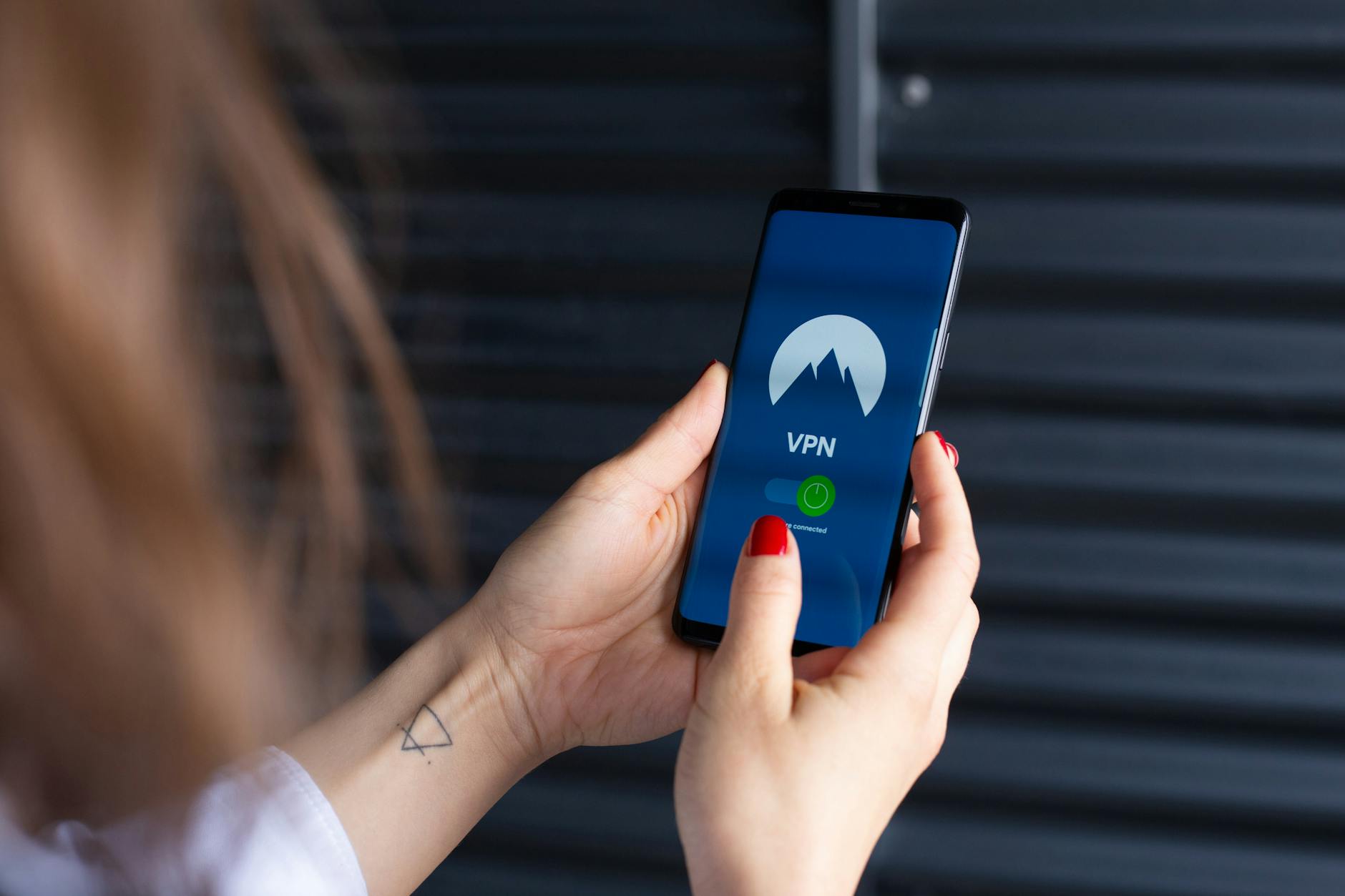
Most delivery apps have a section buried in account settings that allows you to opt out of being tracked for targeted advertising. Create a separate email address specifically for food delivery accounts, which limits the data these apps can cross-reference with other services where you use your primary email. Use a VPN when browsing or ordering on these apps to obscure your IP address from the platform’s analytics. The tradeoff is that a VPN may slow your connection slightly and can sometimes cause issues with location-based services, but the privacy benefit generally outweighs these minor inconveniences.
The Problem With Data Deletion and Retention Policies
Most food delivery platforms retain your data for far longer than necessary. Even after you delete your account, the information typically remains in their backups and archives for months or even years under the justification of legal compliance or fraud prevention. Requesting deletion often triggers a slow process with no guarantee of complete removal from all systems. Uber Eats and DoorDash, for instance, state they retain some data indefinitely for fraud investigation and legal purposes, meaning even a formal deletion request may not remove all your information.
The practical warning here is that relying on deletion as your primary privacy strategy is insufficient. Assume that any data you’ve provided to a food delivery service will remain in their system indefinitely. Some companies sell or license their data before a breach even occurs, meaning your information could already be in the possession of third parties you’ve never interacted with. A better approach combines account deletion with the permission and payment methods mentioned above—reduce what you share in the first place rather than hoping deletion will be effective.
Using Cash and Alternative Payment Methods
Paying with cash when possible eliminates the record of what you ordered from a payment processor’s perspective. However, this only works for in-person pickup, and most delivery services require prepayment through their app, making cash an impractical option. The next best alternative is a temporary virtual credit card, which creates a unique card number for each transaction that cannot be linked to future purchases or used to build a long-term spending profile.
Some users maintain a separate card or prepaid card used exclusively for delivery orders, which compartmentalizes the data trail—transactions won’t be linked to your other financial activity. Banks like Charles Schwab and many credit unions offer the ability to generate temporary card numbers, as do fintech apps designed specifically for privacy. The limitation is that you’ll still need to provide an address, phone number, and email to the platform, but at least your payment history won’t become part of your broader financial profile visible to the company.
The Evolving Regulatory Landscape and Future of Food Delivery Privacy
Privacy regulations like GDPR in Europe and the California Consumer Privacy Act (CCPA) have begun to force some change in how data is handled, giving users in these jurisdictions the right to access, delete, and port their data. However, the United States has no federal privacy law yet, and most users outside protected jurisdictions have minimal legal protection. Future legislation—possibly a federal privacy law similar to GDPR—may mandate better data retention limits and more transparent collection practices, but until then, the responsibility falls on individual users to protect themselves.
The food delivery industry is unlikely to voluntarily reduce data collection because the behavioral profiles they create are valuable revenue sources. As technology advances, these companies are deploying increasingly sophisticated tracking methods, including AI-powered prediction systems that analyze your ordering patterns alongside location and browsing data. Your best defense is to treat these platforms as inherently data-hungry and act accordingly, adjusting permissions and payment methods rather than expecting the companies to self-regulate.
Frequently Asked Questions
Can I completely prevent food delivery apps from tracking my location?
You can disable location permissions in your phone settings, but some apps may refuse to function if precise location is unavailable. The best approach is setting permissions to “only while using” and using a VPN to obscure your IP address, though this trades some convenience for improved privacy.
What happens to my food ordering data if I delete my account?
Most platforms retain data in backups and archives for months or years even after account deletion. Some companies retain data indefinitely for fraud prevention. Deletion should be combined with other privacy measures rather than relied upon as your sole protection.
Is it safer to order directly from restaurants instead of using delivery apps?
Ordering directly from a restaurant still creates an order record with your payment method and address, but you’re dealing with fewer intermediaries and the restaurant typically retains less ancillary data like location tracking and browsing behavior. This is generally safer, though less convenient for delivery orders.
How do I know if my delivery app account has been breached?
Check your email for notifications from the company, search the company name plus “breach” for news reports, and use services like Have I Been Pwned to see if your email appears in known breach databases. If compromised, change your password immediately and enable two-factor authentication.
Can virtual credit card numbers completely protect my payment information?
They prevent the app from storing your actual card number, which stops the retailer from using it for unauthorized charges. However, the merchant still sees your name, address, and billing zip code, and the payment processor sees the transaction. Virtual cards reduce risk but don’t eliminate it.
What privacy laws protect food delivery data in the US?
Currently, only California (CCPA), Virginia (VCDPA), and a few other states have comprehensive privacy laws. Most Americans have no legal right to see what data apps collect or demand deletion. Federal privacy legislation may eventually provide broader protection, but until then, individual safeguards are your primary defense.
You Might Also Like
- How to Protect Your Drug Test Results Privacy
- How to Protect Your Youth Sports Registration Information
- How to Protect Your Weight Loss Program Records