
If your concert tickets have been stolen, your first priority should be contacting the ticketing vendor and the venue immediately to report the theft and request ticket replacement or refund. Most major ticketing platforms like Ticketmaster have fraud departments that can quickly cancel stolen tickets, issue new ones, or process refunds within 24 to 48 hours. However, the speed of your response matters significantly—the faster you report the theft, the less time the thief has to use your tickets or sell them through secondary markets, and the better chance you have of recovering your money or attending the show.
Stolen concert tickets represent more than just a financial loss; they’re a data breach risk that exposes your personal information, including your name, email, phone number, and payment details. When tickets are stolen through email compromise, phishing, or account hacking, criminals often gain access to the full customer account, not just the tickets. This creates a cascading vulnerability where attackers can change passwords, access saved payment methods, and use your account for fraudulent purchases.
Table of Contents
- HOW CONCERT TICKETS GET STOLEN AND WHO’S AT RISK
- UNDERSTANDING THE BROADER DATA BREACH IMPLICATIONS
- RECOGNIZING WHEN YOUR TICKETS HAVE BEEN STOLEN
- IMMEDIATE STEPS TO TAKE AFTER DISCOVERING STOLEN TICKETS
- PROTECTING YOUR ACCOUNT FROM FUTURE COMPROMISE
- SECONDARY MARKET RISKS AND PREVENTION
- INCIDENT REPORTING AND LONG-TERM RECOVERY
- Frequently Asked Questions
HOW CONCERT TICKETS GET STOLEN AND WHO’S AT RISK
Concert tickets are typically stolen through three primary methods: email account compromise, direct theft from your email inbox, phishing attacks targeting ticketing accounts, or fraudulent access to legitimate ticketing sites. A common scenario involves a cybercriminal gaining access to your email account through a data breach at an unrelated service—for example, a breach at a retail site where you reused a password. Once they have email access, they can reset your Ticketmaster or Live Nation password, access your saved tickets, and transfer them to a different account before you realize anything is wrong. Another theft vector is direct social engineering, where attackers contact you via email or text pretending to be from the ticketing vendor and asking you to “verify” your account details or click a link to “confirm” your ticket purchase.
These phishing emails often mimic the legitimate vendor’s branding so convincingly that even cautious users fall victim. The attacker then logs into your real account and transfers the tickets within minutes. The third method involves theft of physical ticket confirmation emails. If someone gains access to your email account through malware, a weak password, or a compromised device, they can simply search your inbox for “concert,” “ticket,” or “Ticketmaster” and locate your email confirmation. Many people screenshot their ticket barcodes or QR codes and store them in cloud services like Google Drive or Dropbox, which can be compromised if your cloud account is breached—a limitation of relying on digital storage without encryption.

UNDERSTANDING THE BROADER DATA BREACH IMPLICATIONS
When your concert tickets are stolen, you need to understand that this breach exposes far more than just the event details. Your Ticketmaster account or the ticketing service you used typically contains your full name, address, phone number, email address, payment method information, and purchase history. If you used the same password for this account as you did for banking, email, or other sensitive sites, the attacker now has the keys to those accounts as well. A significant limitation in the ticketing industry is that many vendors store full credit card information on file, even when payment processors like Visa and Mastercard require merchants to implement tokenization and avoid storing sensitive card data.
When a ticketing platform is breached—as happened with the 2018 Ticketmaster breach that exposed millions of customers—criminals gain access to encrypted or poorly encrypted payment information. Stolen tickets from your account often indicate that your payment data is also at risk. The cascade effect is particularly dangerous: a thief who steals your concert tickets can often access your account to view previous purchases, change your password, add a new phone number for account recovery, and lock you out entirely. This has happened to thousands of users annually. The attacker then owns your account and can use your saved payment methods to purchase tickets to other events, resell them on secondary markets, or commit further fraud using your identity.
RECOGNIZING WHEN YOUR TICKETS HAVE BEEN STOLEN
You’ll typically discover stolen tickets in one of three ways: you receive an order confirmation for tickets you didn’t purchase, the tickets you bought disappear from your account, or someone tries to use your tickets at the venue. The most common scenario is receiving an email notification from the ticketing service showing that your saved payment method was charged for tickets to an event you never requested. In some cases, the thief is more careful and doesn’t immediately resell or use the stolen tickets. Instead, they might wait a few weeks, then try to transfer the tickets through the secondary market or attempt to add them to their own account.
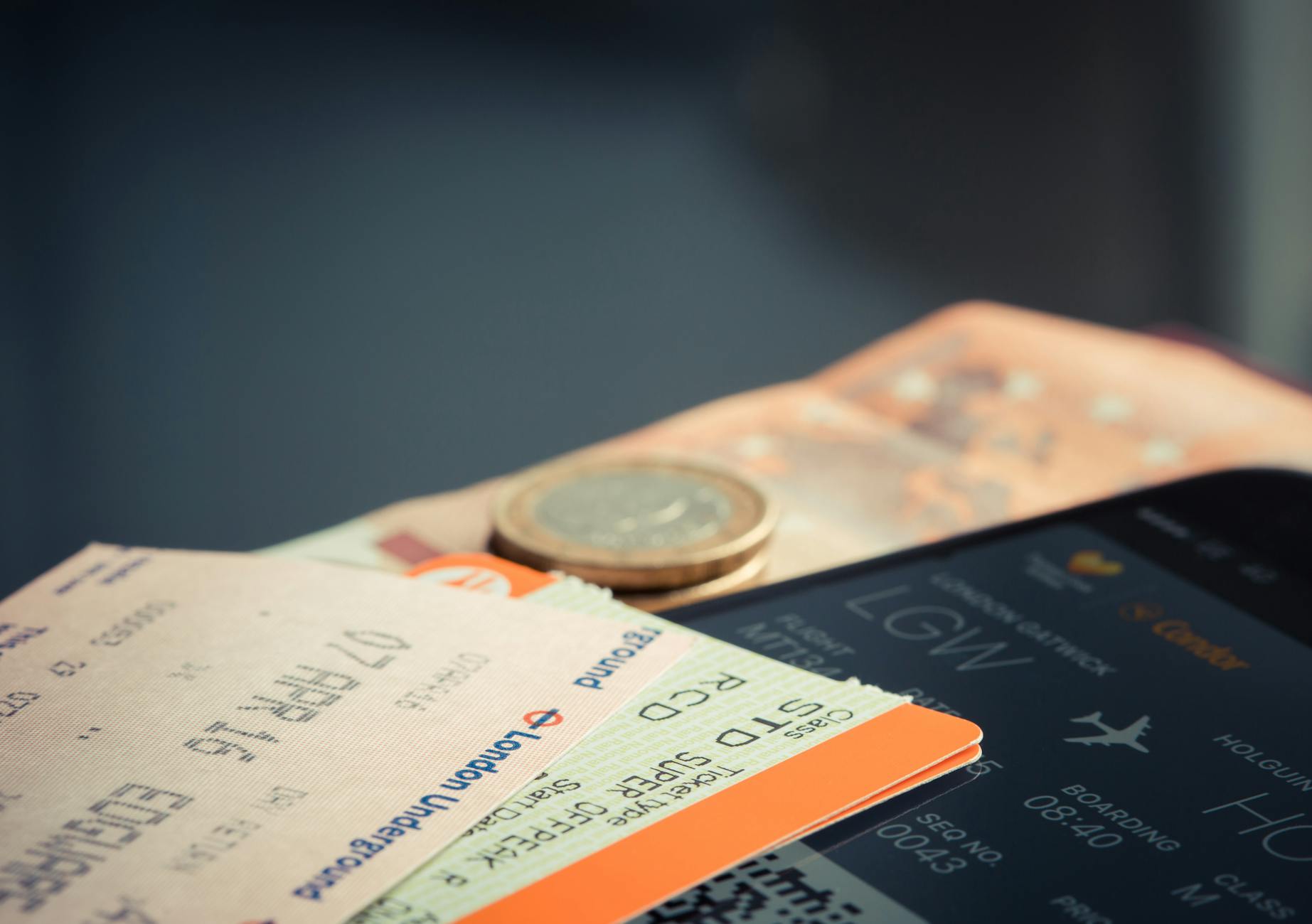
If the tickets are digital or mobile-based, like an Apple Wallet or SMS delivery, the thief will try to register them to a different phone number or email address. Traditional paper tickets or will-call tickets are harder for thieves to use without identification, which is one advantage of venue-specific ID requirements. One warning sign that your account has been compromised is if you notice unauthorized password changes, new email addresses added to the account, or a confirmation email in a different language than your usual account language. These are indicators that someone has already accessed your account and may be actively using it, even if you haven’t noticed missing tickets yet.
IMMEDIATE STEPS TO TAKE AFTER DISCOVERING STOLEN TICKETS
As soon as you discover that your tickets are missing or that unauthorized charges appear on your account, contact the ticketing vendor’s customer service by phone rather than email. Phone contact is faster and creates a record of your claim in their fraud system immediately. Have your order confirmation number, ticket order details, and purchase date ready. Most major vendors like Ticketmaster have fraud hotlines with wait times under 15 minutes, and representatives can cancel stolen tickets, prevent transfer, and block secondary market sales within minutes. Next, change your password on the ticketing account immediately, using a strong, unique password that you don’t use anywhere else. If you reused the password on other sites, change those passwords as well, particularly for email and banking accounts. This prevents the attacker from locking you out permanently by changing the password further.
The key tradeoff here is between speed and documentation. You could wait to gather all information and send a detailed email, but calling immediately is significantly more effective. Email can take 24 to 72 hours to be reviewed, while phone contact resolves the issue within the same business day. For events happening within a week, this difference is critical. File a fraud claim with your credit card company or bank within 60 days of the theft. Most payment processors require fraud claims be filed within a specific window, and waiting longer reduces your chance of a chargeback. Provide the ticket vendor’s customer service case number when filing the claim, as this documentation strengthens your case.
PROTECTING YOUR ACCOUNT FROM FUTURE COMPROMISE
After recovering from a stolen ticket incident, enable multi-factor authentication on your ticketing account immediately. This adds a second layer of protection by requiring a code from your phone or an authenticator app each time someone tries to log in from a new device. However, a limitation of SMS-based two-factor authentication is that attackers who compromise your phone number or port your phone service to a new SIM card can bypass this protection. The most secure option is an authenticator app like Google Authenticator or Authy, which doesn’t rely on phone service. Monitor your account activity regularly by checking login history, device list, and saved payment methods. Most ticketing platforms show where and when your account was last accessed.
If you see logins from unfamiliar locations or devices, revoke access immediately. This requires active vigilance, which many users find tedious but is essential after a security incident. A critical warning: if the ticketing platform notifies you of a large-scale breach affecting millions of users, don’t assume your data is safe just because your tickets weren’t stolen. In the 2018 Ticketmaster breach, the vulnerable data included names, phone numbers, email addresses, and encrypted payment information for 40,000 users. Many of these breaches are discovered months or years later by security researchers, long after the initial compromise. Check your email for breach notifications from services like Have I Been Pwned, which alerts you when your email address appears in a public data breach database.
SECONDARY MARKET RISKS AND PREVENTION
If you’ve purchased tickets through secondary markets like StubHub, SeatGeek, or Vivid Seats, you face additional risks because these platforms often have weaker authentication and dispute resolution processes than primary vendors. Thieves sell stolen tickets on secondary markets constantly because they’re harder to trace than direct sales through the original vendor. When you purchase resale tickets, verify the seller’s reviews and history, and always use the platform’s protected payment system rather than accepting offers for direct payment.
Direct payment sales offer no buyer protection, and if the seller provides fake or stolen tickets, you have no recourse. Some secondary markets now require ID verification for high-value ticket sales, which reduces fraud but creates longer processing times. For high-value concert tickets (over $500), this verification step is worth the delay.
INCIDENT REPORTING AND LONG-TERM RECOVERY
After your tickets are recovered or replaced, consider reporting the theft to the Federal Trade Commission through IdentityTheft.gov if your personal information was compromised. This creates an official record that protects you from being held liable for fraudulent accounts opened in your name, and it signals to law enforcement that organized ticket theft rings are operating.
The future of concert ticket security lies in blockchain-based verification and NFT ticketing, which some venues have begun pilot programs for. These systems make ticket forgery and unauthorized transfer nearly impossible because the ownership chain is publicly verified. However, this technology won’t be widely adopted for at least another two to three years, so traditional security practices like strong passwords and multi-factor authentication remain your best defense today.
Frequently Asked Questions
Can the ticket thief use my stolen tickets to enter the venue?
It depends on the venue’s ID requirements and ticketing system. For will-call or venue-specific ID tickets, they typically cannot. For mobile or transfer-enabled digital tickets, they can use them if the venue doesn’t check identification. Report the theft before the event to have the tickets invalidated.
How long does it take to get replacement tickets after theft?
Most major vendors issue replacement tickets within 24 to 48 hours. If your event is within 72 hours, call the vendor’s emergency fraud line directly. They may expedite replacement or upgrade you to equivalent available seats.
Will my credit card company refund the stolen ticket charge?
Yes, if you file a fraud claim within 60 days. Credit card companies typically issue chargebacks within 30 to 90 days. Provide your ticket vendor’s customer service case number when filing the claim to speed up the process.
Should I worry about identity theft if my tickets are stolen?
Yes. The same breach that exposed your tickets likely exposed your name, email, address, and payment information. Monitor your credit report using a service like AnnualCreditReport.com, and consider placing a fraud alert with credit bureaus.
What if the venue says my stolen tickets are non-refundable?
Insist that this is a fraud case, not a standard return. Most venues have fraud policies separate from refund policies. If the vendor refuses to help, file a dispute with your credit card company, which carries more weight than a direct dispute with the vendor.
Can I prevent ticket theft by purchasing directly instead of through secondary markets?
Yes, purchasing directly from official vendors reduces your risk because these platforms have better fraud detection, faster dispute resolution, and direct communication with venues. However, your account can still be breached, so strong passwords and multi-factor authentication remain essential.
You Might Also Like
- What to Do If Your Controlled Substance Records Are Leaked
- What Happens When Biotech Companies Are Breached
- What to Do If Your Nutrition App Is Compromised