
Protecting your in-game purchase information requires a multi-layered approach that combines strong account security, careful payment method selection, and awareness of platform-specific risks. Your gaming account contains sensitive payment data that can be exploited through account breaches, phishing schemes, and platform vulnerabilities. For example, in 2023, the gaming platform Epic Games experienced a breach affecting thousands of accounts with stored payment information, prompting the company to reset account credentials and offer affected users two free games as compensation. The foundation of protection lies in understanding that gaming platforms store not just your purchase history, but often your payment method details—credit cards, digital wallets, or bank account information—making your account an attractive target for cybercriminals.
Most gamers underestimate the risks associated with in-game purchases because they focus on the entertainment value rather than the security implications. When you make a purchase through Steam, PlayStation Network, Xbox Live, or any gaming platform, you’re creating a relationship between your payment method and an account that may have weaker security than your bank. Gaming companies are attractive targets because they handle millions of transactions daily and often prioritize user convenience over maximum security friction. Understanding the specific vulnerabilities of gaming ecosystems is the first step toward protecting yourself.
Table of Contents
- Why Is Your In-Game Payment Information a Target?
- Account Security as Your First Line of Defense
- Choosing the Right Payment Method for Gaming Purchases
- Recognizing and Avoiding Phishing and Social Engineering Attacks
- Platform Breaches and What Happens to Your Data
- Monitoring Your Account and Financial Activity
- The Future of Gaming Payment Security
- Frequently Asked Questions
Why Is Your In-Game Payment Information a Target?
Gaming platforms present unique security challenges compared to traditional e-commerce sites. They maintain persistent account relationships, automatically store payment methods for convenience, and often have younger user bases who may be less security-conscious. Hackers specifically target gaming accounts because a compromised account provides not just payment information but also a trusted platform to resell stolen goods, use the account for fraud, or leverage the account’s social network for scams. In 2022, a coordinated attack on nintendo Switch accounts compromised over 160,000 accounts; attackers accessed stored payment information and made fraudulent purchases before legitimate owners discovered the breach.
Gaming platforms also offer features that paradoxically increase security risk: one-click purchasing, stored payment methods, cross-platform account linking, and cloud saves that sync across devices. The convenience of automatically saved payment information is a double-edged sword. When your credit card is stored in your Steam wallet or playstation Network account, any successful compromise of that account gives attackers immediate access to complete transactions. Unlike traditional retail, where you control your wallet and payment methods, gaming platforms manage your payment information on their servers, subject to their security protocols.
Account Security as Your First Line of Defense
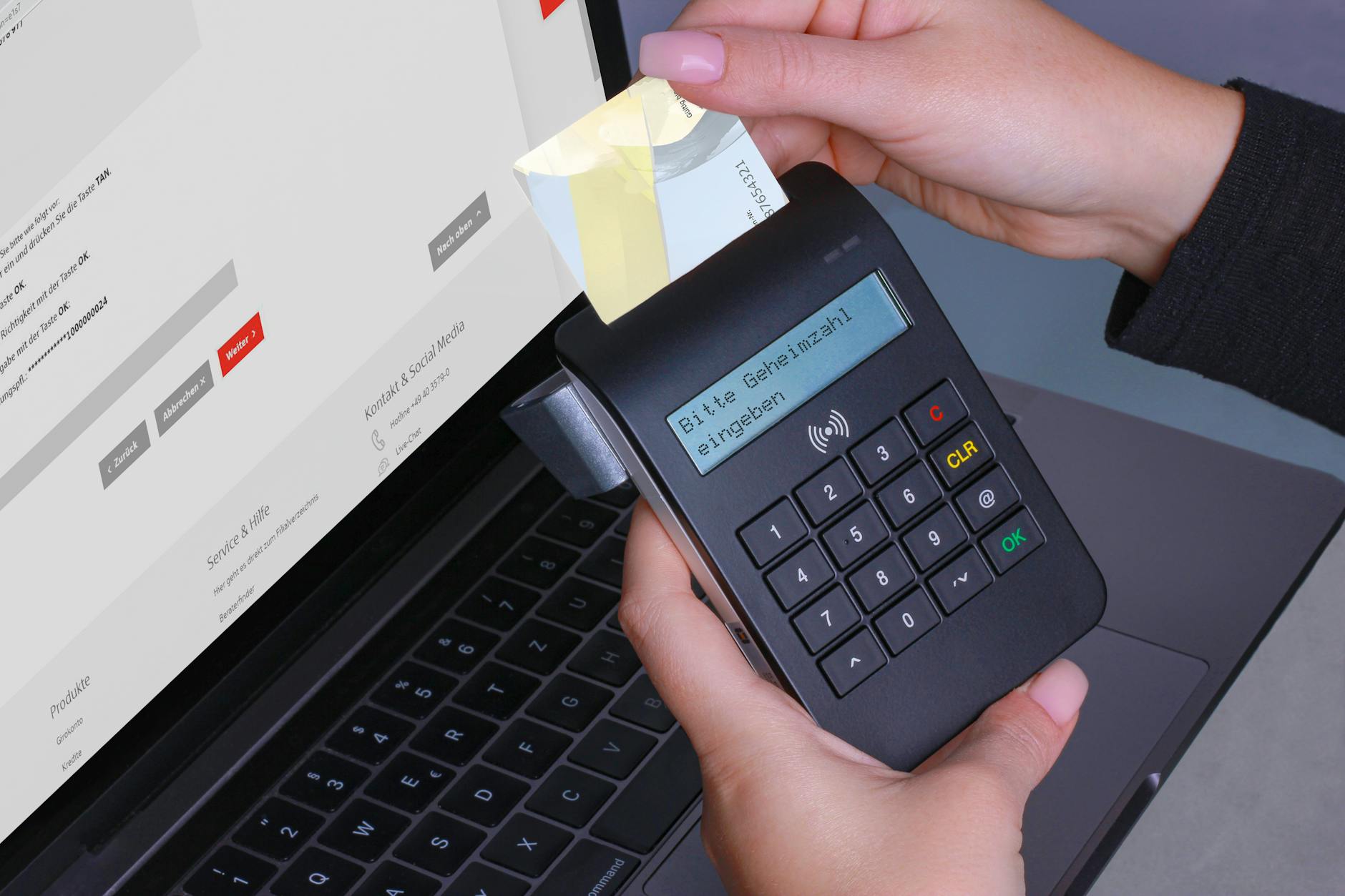
Your gaming account is the gateway to all stored payment information, making account security non-negotiable. A strong, unique password is the bare minimum, but it’s surprisingly ineffective on its own. Password breaches happen regularly—your gaming account password may have been compromised in previous breaches of unrelated services that reuse passwords. The limitation of password-only security is that even a 20-character password becomes useless if the platform’s database is breached, if you’ve reused it elsewhere, or if you fall victim to phishing. A gaming account password manager breach affecting thousands of gamers in 2021 demonstrated that even users taking security seriously can be compromised if the tools they trust are themselves vulnerable.
Two-factor authentication (2FA) is the critical security measure that separates vulnerable accounts from protected ones. When enabled, 2FA requires a second form of verification—typically a code from an authenticator app or SMS message—before anyone can access your account, even with the correct password. Most major gaming platforms now offer authenticator app-based 2FA as an option, which is significantly more secure than SMS-based codes. However, a major limitation exists: many older gaming accounts or free-to-play accounts don’t have 2FA enabled by default, and users must manually activate it. Additionally, if your backup authentication method (recovery codes or backup email) is compromised or lost, you could be locked out of your own account or vulnerable to account recovery attacks where criminals reset your password by compromising your backup email.
Choosing the Right Payment Method for Gaming Purchases
Your choice of payment method directly impacts what information is exposed if a gaming platform is breached. Using a dedicated prepaid card or a virtual credit card number (also called a temporary card number or masked card) limits exposure to your full financial accounts. Virtual card numbers, offered by services like apple Card, Capital One Eno, or standalone services like Privacy.com, generate unique card numbers tied to your real account but with spending limits and expiration dates. If a virtual card number is compromised, criminals cannot access your actual credit card or bank account, and you can simply revoke that card number.
This is fundamentally different from storing your primary credit card directly on a gaming platform. The tradeoff of using virtual cards or prepaid cards is slightly reduced convenience and the need to manage multiple payment methods. You may need to set up a dedicated prepaid card specifically for gaming, recharge it periodically, or deal with additional transaction friction. Some gaming platforms don’t clearly disclose whether they store your full card details or just tokenized references, making it difficult to assess actual risk. A concrete example: a gamer using a $20 prepaid card for gaming faces a maximum loss of $20 if the platform is breached, whereas a gamer with their primary debit card linked directly faces potential unauthorized access to their entire checking account if the platform’s security is compromised.
Recognizing and Avoiding Phishing and Social Engineering Attacks
Phishing attacks targeting gamers are increasingly sophisticated, often impersonating platform support, offering fake rewards, or claiming account security issues that require immediate action. A common attack pattern involves a message appearing to come from Steam support indicating suspicious activity on your account and requesting that you click a link to verify your identity. The link leads to a fake login page that captures your credentials. Once attackers have your login information, they disable 2FA through account recovery (if they also compromised your backup email), change your payment method, and drain any wallet balance in your account.
Legitimate platform support will never ask you to click suspicious links or provide passwords through messages. Real platform communications come through your authenticated account dashboard or official email addresses (not generic Gmail accounts). A comparison: if you receive a message claiming urgent account action is needed, the secure approach is to ignore the message entirely, log into your gaming account directly through the official app or website, and check your account status independently. This forces you through the legitimate login process rather than following an attacker’s link. The downside is that you may occasionally ignore legitimate urgent notifications, but false negatives (ignoring real warnings) are far safer than false positives (clicking malicious links).
Platform Breaches and What Happens to Your Data
Even with perfect personal security habits, you remain vulnerable to platform breaches and data exposure. When a gaming platform is breached, attackers may obtain encrypted or unencrypted payment information depending on the platform’s storage practices. Some platforms encrypt payment data end-to-end, meaning that even if attackers access the database, the payment information is useless without decryption keys. Other platforms store payment data in ways that can be exposed during breaches. A significant limitation is that you have no visibility into how your gaming platform actually stores your payment information—most companies don’t disclose their encryption methods publicly.
The breach notification process varies dramatically by platform and jurisdiction. Some platforms notify users immediately, while others delay notification for weeks or months while they investigate the breach. A warning: platforms sometimes minimize reported breaches, claiming only usernames and passwords were exposed when payment information was actually stolen. After the 2019 Twitter breach (not a gaming platform, but illustrative), it took weeks for the full scope of exposed data to become clear. For gaming specifically, the lesson is that you should assume your payment information may have been compromised if you’ve used the same password on multiple platforms or if you’ve been using the same account for many years without password changes. Preemptively monitoring your credit reports and bank statements becomes essential, not optional.
Monitoring Your Account and Financial Activity
Active monitoring of your gaming account and financial statements is your best detection mechanism for fraud. Regularly check your gaming account’s purchase history, payment methods on file, and connected devices. Most platforms show you where your account has been logged in; if you see logins from unfamiliar locations or devices, change your password immediately and review recent transactions. This proactive approach can catch account compromise within hours rather than weeks.
For financial monitoring, set up alerts on your credit card or bank account for transactions involving your gaming platforms, low-value purchases (fraudsters often test stolen cards with small transactions first), and any international transactions if you’re based in a country where gaming platform payments typically originate domestically. A concrete example: if your credit card is set to alert you for purchases over $50, set a separate alert for any Steam transaction over $10—legitimate gaming purchases are typically small, so any larger-than-normal purchase may indicate unauthorized access. The practical limitation is alert fatigue; if you receive too many alerts, you may stop checking them. Setting appropriately tuned alerts requires understanding your own spending patterns.
The Future of Gaming Payment Security
The gaming industry is gradually shifting toward more secure payment models, including integration with payment services that don’t require storing full payment details (like PayPal, Apple Pay, Google Pay), hardware security keys for high-value accounts, and blockchain-based authentication for accounts with significant digital assets. However, legacy systems and backwards compatibility with older accounts means many gamers will continue dealing with less secure payment storage for years. The forward-looking reality is that payment security in gaming will likely remain a cat-and-mouse game, with platforms implementing stronger measures only after breaches force regulatory action.
Regulatory changes are also reshaping gaming payment security. The European Union’s Digital Markets Act and emerging data protection regulations are increasingly holding platforms accountable for payment data security. These regulations create incentives for platforms to implement better security practices, but enforcement lags significantly behind implementation timelines. For gamers, this means that your security practices today remain your best protection, while you should also monitor emerging platform security updates and take advantage of new security features as they become available.
Frequently Asked Questions
Can I get my money back if someone makes fraudulent purchases with my compromised gaming account?
In most cases, yes, but recovery requires reporting the fraud to both your payment provider (credit card company, bank, or payment service) and the gaming platform. Credit card companies typically offer fraud protection and will reverse unauthorized transactions, though you may need to demonstrate that you didn’t authorize the purchases. Gaming platforms have separate fraud policies; some are cooperative about chargebacks while others may ban your account if you initiate a chargeback. The timeline for recovery typically ranges from 30 to 90 days depending on your payment provider.
Is it better to use a gaming platform’s digital wallet (like Steam Wallet) or buy games with gift cards?
Gift cards are more secure from a data perspective because they don’t require storing your payment information on the platform’s servers. However, gift card balances are also vulnerable if someone gains account access—they can spend the balance immediately. Digital wallets are more convenient but do require trusting the platform’s payment security. The tradeoff is convenience versus exposure; gift cards provide better separation of your payment information from the platform, but only if you keep the physical card secure or store the code safely offline.
What should I do if I suspect my gaming account has been compromised?
Immediately change your password from a different device (not the potentially compromised one), enable or reset two-factor authentication, review recent purchases and check if your payment method has been changed, and contact the platform’s support team to report the potential breach. Check your email account associated with the gaming account for unauthorized password reset attempts or login notifications from unfamiliar locations. If payment information may have been accessed, contact your credit card company or bank to freeze the card and monitor for fraudulent charges.
Are newer gaming platforms more secure than established ones like Steam?
Not necessarily. Established platforms like Steam have invested heavily in security infrastructure over decades, but they also have the burden of maintaining backwards compatibility with older, less secure systems. Newer platforms may have security-first design but lack the resources and security team depth of larger companies. Security depends more on a platform’s commitment to security practices than on age. The most important factor is whether the platform offers two-factor authentication, transparently communicates about breaches, and has a reputation for taking security seriously.
Should I use the same gaming account across multiple games and platforms?
Using separate accounts for different platforms limits the damage if one account is compromised—attackers gain access to that single platform rather than multiple gaming services. However, managing multiple unique passwords, payment methods, and 2FA setups creates more potential security friction points. The practical recommendation is to use one primary gaming platform account (like Steam or your console account) but avoid using the same email and password on smaller gaming sites or free-to-play games that may have weaker security. Link these accounts carefully and limit payment information to your primary, well-secured account.
How can I tell if a gaming platform actually encrypts my payment information?
Most platforms don’t publicly disclose their specific encryption methods, which is a limitation of the industry. You can check the platform’s security white paper or documentation if available, look for certifications like PCI DSS compliance (the payment card industry’s security standard), and review independent security audits if the platform publishes them. The safest assumption is that any payment information stored on any platform’s servers could potentially be exposed; this is why using virtual card numbers or prepaid cards is more secure than storing your primary credit card details.
You Might Also Like
- How to Protect Your Test Score Information
- How to Protect Your E-Book Account Information
- How to Protect Your Author Royalty Information