
Protecting your school cafeteria account requires a multi-layered approach that addresses both digital security and awareness of common attack methods. Your cafeteria account—whether managed through a school’s payment portal, a third-party platform like Heartland or MyPaymentsPlus, or a mobile app—holds personal information and linked payment methods that make it an attractive target for fraudsters and cybercriminals. The first line of defense is using a unique, strong password combined with two-factor authentication, but account protection extends far beyond that single step.
School cafeteria systems process millions of transactions annually across districts serving millions of students. In 2023, the Fort Worth Independent School District experienced a data breach affecting over 260,000 records, including names, student IDs, and partial payment information from their cafeteria system. This incident illustrates why parents and students must take active steps to secure their accounts rather than assuming schools handle all security measures internally.
Table of Contents
- What Makes School Cafeteria Accounts Vulnerable to Breach?
- Understanding Password Vulnerabilities in Cafeteria Account Management
- Two-Factor Authentication as Your Second Security Layer
- Identifying and Avoiding Phishing Attacks Targeting Cafeteria Accounts
- Payment Method Security and Breach Risk Exposure
- Monitoring Your Account for Unauthorized Transactions
- The Future of Cafeteria Account Security and Emerging Protections
- Frequently Asked Questions
What Makes School Cafeteria Accounts Vulnerable to Breach?
School cafeteria accounts are targeted because they combine personally identifiable information with payment data in systems that are often not as hardened as banking platforms. The accounts typically store a student’s name, date of birth, grade level, teacher assignments, and payment information—a treasure trove for identity thieves. Cafeteria systems are also connected to school networks that serve educational purposes first and security second, meaning they may lag behind financial institutions in security updates and incident response protocols.
Many schools use legacy systems that were built before modern cybersecurity practices became standard. Some platforms, particularly those serving smaller districts, may lack adequate encryption, rely on outdated software versions with known vulnerabilities, or fail to implement basic security controls like rate-limiting on login attempts. A parent might assume their school’s system is secure because the school is a trusted institution, but schools typically outsource their cafeteria management to third-party vendors that operate independently. When a breach occurs, it often affects thousands of students across multiple school districts simultaneously because many schools use the same payment platform.

Understanding Password Vulnerabilities in Cafeteria Account Management
Your cafeteria account password is the primary barrier between your account and unauthorized access, yet most people create passwords that are far too weak. Common cafeteria account passwords include variations on a child’s name, graduation year, or pet name—combinations that take attackers seconds to crack using publicly available information from social media. Even if your password appears strong, it may have been compromised in previous data breaches from entirely different services and sold on the dark web where attackers use them to test access across multiple platforms, a technique called credential stuffing. A significant limitation of relying solely on strong passwords is that they only protect your account if you’re the only one who uses it.
Many parents share cafeteria account passwords with spouses, grandparents, or older siblings, and each person who knows your password becomes a potential weak point. If any of them reuse that password elsewhere, or if their device is compromised, your cafeteria account is vulnerable. Additionally, schools rarely enforce password requirements for complexity or expiration, so cafeteria accounts often have less protection than required for financial accounts or personal email. Setting a strong password on a system that doesn’t require you to change it regularly is somewhat like locking a door while leaving a window open.
Two-Factor Authentication as Your Second Security Layer
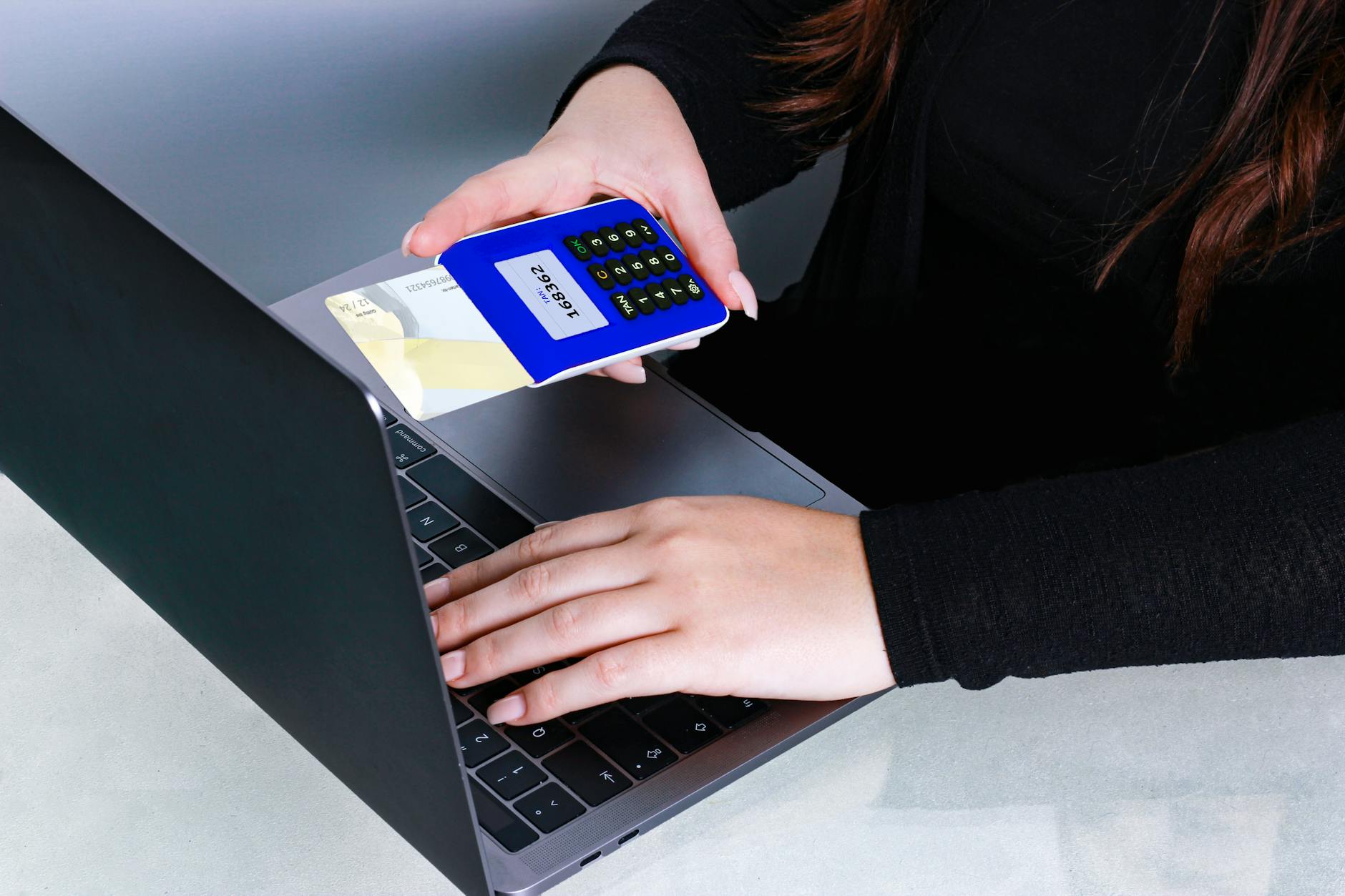
Two-factor authentication (2FA) is the single most effective protection available for your cafeteria account because it requires a second form of verification beyond your password. When you enable 2FA, even if someone obtains your password through phishing or a data breach, they cannot access your account without the second factor—typically a code sent to your phone via text message or generated by an authenticator app. Many school cafeteria platforms now offer 2FA, though not all require it, leaving the security choice in the hands of users who may not understand its importance. Text message-based 2FA, while better than no 2FA, has a documented weakness: a technique called SIM swapping, where attackers convince your mobile carrier to transfer your phone number to a device they control.
Once they control your phone number, they intercept the text messages containing your verification codes. A more secure approach is authenticator apps like Google Authenticator or Microsoft Authenticator, which generate codes locally on your phone that cannot be intercepted. The tradeoff is that authenticator apps are slightly less convenient—you must physically access your phone and read the code—but the security benefit is substantial. If your school’s cafeteria system offers app-based 2FA, use it instead of text message codes.
Identifying and Avoiding Phishing Attacks Targeting Cafeteria Accounts
Phishing attacks are a primary method attackers use to steal cafeteria account credentials, and they often exploit the trust relationship between families and schools. A typical phishing attack might send an email appearing to come from your school’s cafeteria provider, requesting that you “verify your account information” or “update your payment method” by clicking a link and entering your login credentials. The email may cite a technical problem, a security alert, or a policy change—anything to create urgency and bypass your critical thinking. The key to avoiding phishing is understanding that legitimate cafeteria systems rarely ask you to verify your credentials by email.
If you receive an email requesting account information, do not click the link in the email. Instead, open your web browser directly, navigate to your school’s cafeteria portal by typing the URL yourself, and log in to check whether there are any actual alerts or required actions. Schools should only contact you about account issues through official channels, and legitimate institutions never ask you to enter passwords via email links. One practical comparison: banks train customers for decades to never share login information, yet many schools never mention this to parents, leaving cafeteria accounts more vulnerable than actual bank accounts despite holding similar payment data.
Payment Method Security and Breach Risk Exposure
The payment method you link to your cafeteria account—whether a credit card, debit card, or bank account—determines your level of fraud liability if the account is compromised. Credit cards offer the strongest fraud protection because federal law limits your liability to $50 if someone fraudulently uses your card, and most credit card companies waive this fee. Debit cards offer much weaker protection, with liability potentially reaching thousands of dollars if fraudulent transactions drain your account before you notice. Bank accounts linked directly to a cafeteria system bypass both card networks and the fraud protections they provide.
A significant limitation with school cafeteria systems is that linking a debit card or bank account directly exposes your checking account to fraud. Some schools encourage this setup because it’s cheaper for the district than processing credit card transactions, but it shifts security risk from the school to your family. If a cafeteria system is breached and your debit card number is stolen, the attacker can drain your account, and you’re responsible for reporting the fraud and potentially being without money during the dispute resolution period. A safer approach is using a credit card when your school offers the option, or for maximum security, using a dedicated prepaid card or virtual card number (many credit card companies now offer one-time use card numbers) that limits exposure if the cafeteria system is compromised.
Monitoring Your Account for Unauthorized Transactions
Checking your cafeteria account regularly for unauthorized purchases is essential because breaches are often discovered by parents noticing fraudulent meal charges rather than by the school discovering the breach. Your account statement should show every purchase made under your account, the date, the amount, and the location or cafeteria where the purchase occurred. If your child attends school in person, any charges from a cafeteria other than your child’s school, or charges for meals during days when school was closed (weekends or holidays), are immediate red flags.
Set a reminder to check your cafeteria account at least once weekly, particularly if your child buys meals daily. For example, if your son buys lunch every school day, a typical week might show five transactions. If you suddenly see thirteen transactions in a week, or transactions for amounts significantly higher than normal meal prices, investigate immediately. Contact your cafeteria provider and your school to report the discrepancy, request that they freeze your account, and ask whether the system has been compromised.
The Future of Cafeteria Account Security and Emerging Protections
School cafeteria systems are gradually adopting stronger security practices, including biometric payment systems and blockchain-based transaction verification, but adoption is slow across the industry. Some districts are moving away from prepaid online accounts entirely, instead using biometric fingerprint scanning directly at checkout—a system that eliminates the need for passwords or cards. These systems have privacy considerations, but they do eliminate the data breach risk associated with account credentials and payment information stored in online databases.
The educational landscape is shifting toward greater transparency about cybersecurity practices. Schools are increasingly required to disclose their data security policies and breach histories, giving parents information to evaluate whether a particular district’s cafeteria system is trustworthy. In the near term, parents should expect that school cafeteria systems will remain attractive targets for criminals, making personal vigilance—strong passwords, two-factor authentication, and regular monitoring—the most reliable protection available.
Frequently Asked Questions
What should I do if I notice unauthorized charges on my cafeteria account?
Contact your cafeteria provider immediately to report the fraud. Request that they freeze your account, reverse the fraudulent charges, and investigate whether the system has been compromised. Also notify your credit card company or bank if you linked payment information directly to the account. Document the fraudulent charges by taking screenshots of your account statement.
Is a PIN number more secure than a password for cafeteria accounts?
Both have security tradeoffs. PINs are shorter and easier to remember, but they’re also easier to brute-force if an attacker has direct access to the system. Passwords can be longer and more complex, making them harder to crack. The best approach uses whichever your system supports combined with two-factor authentication, which protects you regardless of PIN or password strength.
Can school employees access my cafeteria account information?
Most school cafeteria systems have role-based access controls, meaning only designated administrators can view account information, not every staff member. However, if a school employee has administrator access, they can technically view your account data. This is another reason to use passwords that are unique to your cafeteria account—if any employee with system access is compromised or acts maliciously, your other accounts remain protected.
Should I use the same password for my cafeteria account and my school email?
Absolutely not. Using the same password across multiple accounts means that if one system is breached, all your accounts are compromised. Your cafeteria account, school email, and any other accounts should have completely unique passwords. If you struggle to remember multiple passwords, use a password manager application that securely stores all your passwords.
Is it safer to use a separate prepaid card for cafeteria payments?
Yes, using a dedicated prepaid card or a virtual card number (if your credit card provider offers them) limits exposure if the cafeteria system is breached. Instead of your main credit card number or bank account being exposed, only the prepaid card or virtual card number is at risk, and you can quickly cancel or replace it.
You Might Also Like
- How to Protect Your Sports Betting Account
- How to Protect Your Coffee Subscription Account
- How to Protect Your Youth Sports Registration Information