
Securing your fitness class reservation data requires a multi-layered approach that protects member information throughout its entire lifecycle—from the moment it enters your booking system to how you store, process, and eventually delete it. The primary defense involves encrypting databases and data in transit, implementing access controls with unique login credentials and multi-factor authentication, and ensuring that only authorized personnel can access sensitive information. Consider a mid-sized fitness studio that processes hundreds of class bookings daily through mobile apps, wearables, and contactless payments. Each of these touchpoints represents a potential entry for cyber criminals, yet each can be secured through proper technical implementation and organizational discipline.
The threat is real and growing. Fitness facilities collect vast amounts of personal data—names, phone numbers, email addresses, payment information, health preferences, and workout patterns. Regulators have taken notice. California’s new CCPA regulations effective January 1, 2026 now mandate cybersecurity audits and risk assessments for companies handling consumer data, while the GDPR classifies fitness data as protected health information subject to significant fines. This article walks you through the security measures that protect member data and keep your business compliant.
Table of Contents
- Why Payment Processing Security and Encryption Matter Most in Fitness Reservations
- Database Encryption and Data Segregation Architecture
- Access Control Systems and Real-Time Member Verification
- Mobile Apps, Wearables, and the Fragmented Security Landscape
- Regulatory Compliance: CCPA 2026 and GDPR Requirements
- Staff Training and Third-Party Vendor Management
- Backup Strategies, Mobile-First Security, and Future Outlook
Why Payment Processing Security and Encryption Matter Most in Fitness Reservations
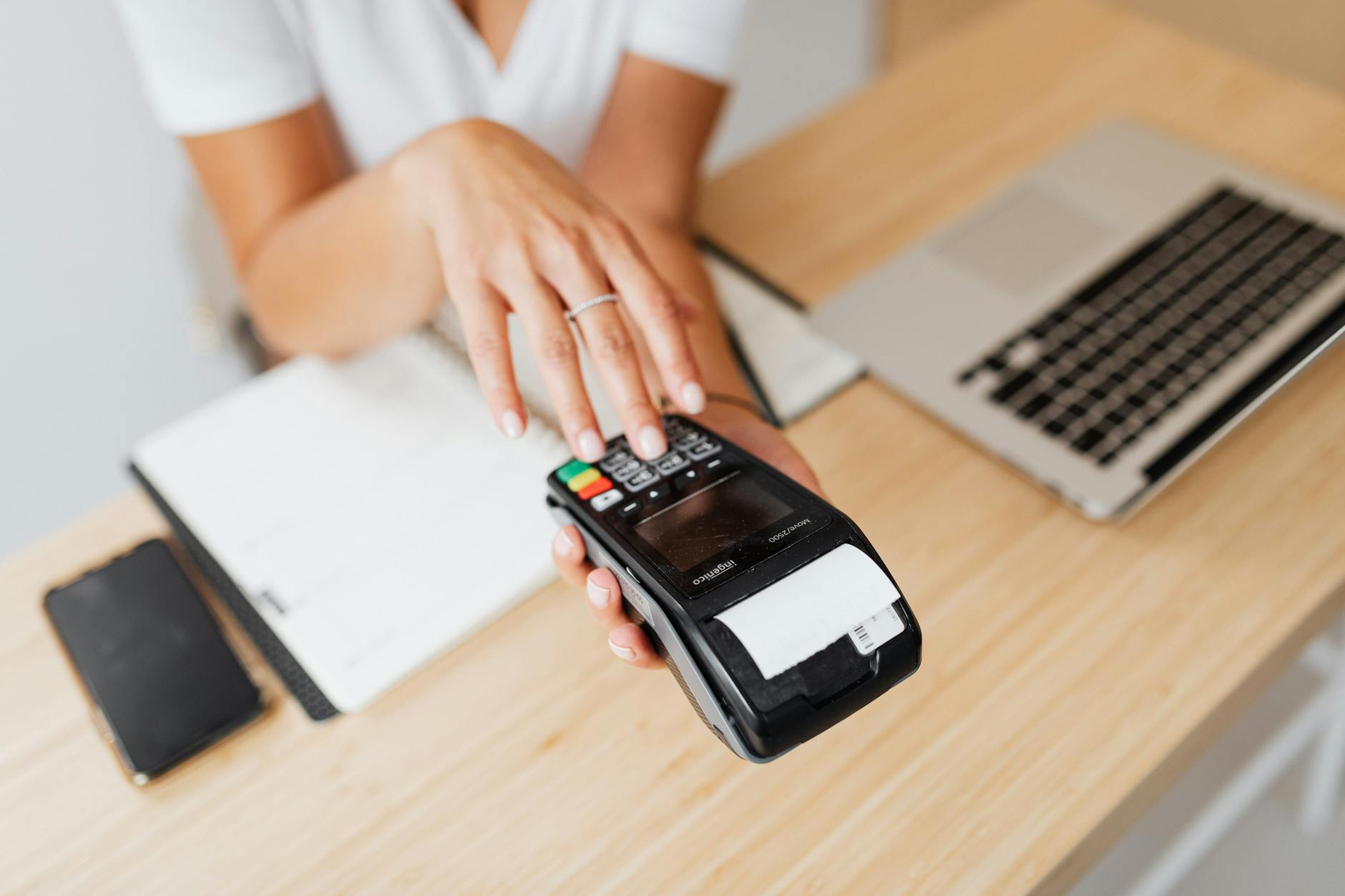
Payment processing stands at the heart of fitness class reservation security because it’s where financial and personal data intersect. When members book classes and pay for memberships through your reservation system, that transaction must be encrypted end-to-end using secure payment gateways. These gateways encrypt all transactions—class payments, membership renewals, and add-on purchases—preventing criminals from intercepting or manipulating payment data as it travels between the member’s device and your payment processor. Research shows that 85% of fitness software reviewers rate secure payment processing and transaction handling as important or highly important when selecting a booking platform.
This isn’t just about customer peace of mind. A single payment breach can expose hundreds or thousands of members’ credit card information, trigger regulatory investigations, and result in fines that exceed what most fitness businesses can absorb. The difference between a secure payment gateway and an unsecured one often comes down to whether the system uses industry-standard encryption protocols like TLS 1.2 or higher. Some smaller or older booking platforms cut corners here, leaving transactions vulnerable.
Database Encryption and Data Segregation Architecture
Your reservation database is the vault where member information sits. If criminals breach it, they gain access to booking history, preferences, health information, and payment details stored together. The best protection combines encrypted databases—where information is scrambled and unreadable without decryption keys—with data segregation through multi-tenant architecture. In a properly designed multi-tenant system, data from different fitness businesses remains completely separate within the same platform. Settings, user profiles, historical records, and member information for Gym A are walled off from Gym B, even though both use the same software.
This architecture prevents one breach from exposing data across multiple facilities. The limitation of encryption is that your decryption keys must be stored somewhere, and if attackers gain access to both the encrypted data and the keys, encryption becomes useless. This is why access controls matter. Encrypted databases should be paired with restricted access—only authorized administrators can retrieve decryption keys, and their access should be logged and audited. Some fitness platforms offer encryption at rest, meaning data is encrypted when stored, but fail to encrypt data in transit, creating a window where information travels unprotected between your app and the database. Always verify with your booking software provider that both at-rest and in-transit encryption are enabled.
Access Control Systems and Real-Time Member Verification
Beyond protecting data in digital systems, access control ties your reservation data to physical security. Modern gym access systems sync booking data with real-time verification to ensure only members with active reservations—and valid memberships—can access facilities and join classes. When a member books a yoga class for Tuesday at 6 PM, the reservation system updates the access control system. On Tuesday at 5:55 PM, when that member swipes their card or taps their phone at the gym entrance, the system verifies their reservation and membership status in real time. If their membership has been canceled or the reservation was for a different day, they’re denied entry.
This integration prevents unauthorized access and keeps detailed logs of who entered when. It also protects against account takeover fraud, where a hacker gains access to a member’s credentials and either books classes to cancel them later (disrupting the member experience) or uses them to scout the facility’s layout. Real-time verification creates an audit trail: if unauthorized access occurs, you can see exactly which credentials were used and when. The tradeoff is operational complexity. If your access control system and reservation system aren’t properly synchronized, members with valid bookings might be locked out, creating frustration and liability. This synchronization must be tested and monitored continuously.

Mobile Apps, Wearables, and the Fragmented Security Landscape
Fitness class reservations now happen primarily through mobile apps, wearable devices, and web portals. Members expect to book classes, pay, and check in seamlessly across platforms. This convenience comes with security risk. Online class bookings, mobile app integrations, wearable device connections, and contactless payment systems create multiple entry points for cybercriminals. A single weak link—perhaps an older wearable that uses outdated encryption protocols—can compromise the entire reservation chain. Many fitness trackers and third-party apps integrate with booking systems using APIs that sync workout data, class schedules, and member preferences.
Some of these apps use outdated encryption protocols or none at all, making unauthorized access relatively easy for attackers. For example, a wearable device might sync your fitness data to a cloud service that also connects to your gym’s reservation system. If that cloud service has weak authentication, a criminal could gain access to your gym membership details and booking history. When evaluating mobile apps and wearable integrations, require vendors to demonstrate their security practices. Ask specifically about their encryption standards, how often they update security protocols, and whether they’ve undergone independent security audits. Don’t assume that popular apps are secure—popularity and security are independent attributes.
Regulatory Compliance: CCPA 2026 and GDPR Requirements
Cybersecurity for fitness reservations is no longer optional—it’s a legal requirement under multiple regulatory frameworks. California’s CCPA, newly updated effective January 1, 2026, introduces mandatory cybersecurity audits, risk assessments, and a centralized consumer deletion mechanism. If a member requests deletion of their data, you must be able to remove their information from your systems and verify that third-party vendors have done the same. Profiling requirements broadly encompass automated processing of health, preferences, and behavior data—directly applicable to fitness data analytics. If your booking system automatically recommends classes based on member history or tracks which classes are booked and attended, that’s profiling subject to CCPA rules.
The GDPR goes further, classifying fitness data as protected health and personal information. GDPR fines reach up to 4% of global annual revenue for violations, a penalty that can reach millions of dollars for any substantial fitness business. GDPR requires explicit opt-in consent mechanisms before processing fitness data and gives members the right to access, correct, and delete their information. The key difference from CCPA is the consent standard: GDPR requires affirmative opt-in, meaning members must actively agree to data processing. Pre-checked boxes and implied consent don’t meet GDPR standards. Even if your gym operates only in the US, if you accept members from EU countries, you must comply with GDPR for their data.

Staff Training and Third-Party Vendor Management
Your technical defenses are only as strong as your staff’s awareness. Cybercriminals often target gym employees with phishing emails impersonating vendors, members, or corporate headquarters. An employee who clicks a malicious link or downloads a trojan opens the door to breaches. Security training during onboarding should teach staff to recognize phishing attempts, avoid unsafe websites, and report suspicious activity immediately. Refresher courses quarterly or semi-annually keep security top-of-mind. Include specific examples: “Payroll asks for passwords via email” (never do this legitimately), “A vendor asks you to re-verify login credentials” (red flag), “Member account activity looks unusual” (report it).
Third-party vendors represent an often-overlooked vulnerability. Your payment processor, cloud service provider, booking software vendor, and access control manufacturer all handle member data. Before partnering with any vendor, evaluate their security practices and regulatory compliance. Require vendors to provide documentation of their own security audits, demonstrate encryption standards, and maintain cybersecurity insurance. One fitness studio chain discovered that their cloud service provider had suffered a breach that exposed member data for months before detection. The provider’s inadequate monitoring and backup procedures meant the studio couldn’t quickly recover. Your vendor contracts should include security incident notification requirements—vendors must tell you within a specific timeframe (ideally 24 hours) if they suffer a breach affecting your data.
Backup Strategies, Mobile-First Security, and Future Outlook
Cybersecurity extends to business continuity. Automatic backups of all critical business data should be scheduled regularly and stored in secure, off-site locations or cloud-based services. Storing backups on-site, in the same location as your primary systems, offers no protection if a fire, flood, or ransomware attack damages everything. Test your backup recovery process quarterly. Many fitness businesses discover their backups are corrupted only when they actually need them. Mobile security will only become more important. Mobile is now the primary platform for gym and fitness class access, with members expecting to book, pay, and check in via app.
Slow or inconsistent mobile experiences impact retention metrics, so you can’t simply block mobile access for security reasons. Instead, secure mobile platforms through app-level encryption, certificate pinning (preventing man-in-the-middle attacks), and regular security updates. Looking forward, fitness facilities will face increasingly sophisticated attacks. Ransomware targeting healthcare and wellness companies is rising. Artificial intelligence will enable more convincing phishing emails targeting gym staff. The regulatory landscape will likely expand—expect additional privacy laws in states beyond California and potential federal legislation. The fitness businesses that survive future breaches will be those that treat security not as a compliance checkbox but as a core operational responsibility.
You Might Also Like
- How to Check If Your Fitness Data Was Shared
- What to Do If Your Rehabilitation Center Data Is Exposed
- What to Do If Your Gym Membership Data Is Leaked