

Securing your online tax filing accounts requires a three-part approach: enable multi-factor authentication on every tax-related account, obtain an IRS Identity Protection PIN to prevent fraudulent filings, and file your return as early as possible in the season. The IP PIN alone””a free six-digit code available through your IRS Online Account””prevents anyone from filing a tax return using your Social Security number without your authorization. Combined with MFA, which is now a federal requirement for tax professionals and should be standard practice for individual filers, these measures create meaningful barriers against the increasingly sophisticated tactics used by tax identity thieves. The stakes are substantial.
During the 2025 filing season, the IRS flagged approximately 2.1 million tax returns for potential identity theft, and victims who get caught up in these cases face an average resolution time of 20 to 22 months. That means nearly two years of delayed refunds, repeated correspondence with the IRS, and ongoing uncertainty about whether your identity has been compromised elsewhere. Consider someone who discovers in April that a fraudulent return was filed in their name in February””they may not see their legitimate refund until late 2027. This article covers the specific security measures that work, the 2026 filing season timeline you need to know, what the law now requires of tax preparers, and the warning signs that someone may be targeting your tax identity.
Table of Contents
- What Are the Most Effective Ways to Secure Online Tax Filing Accounts?
- The 2026 Tax Filing Season: Key Dates and Why Early Filing Matters
- IRS Identity Protection PIN: How the Program Works and Its Limitations
- What Tax Preparers Are Now Required to Do Under Federal Law
- Who Gets Targeted: Understanding Tax Identity Theft Demographics
- Recognizing Phishing: How Criminals Target Tax Filers
- The Resolution Timeline: What Happens If Your Tax Identity Is Stolen
- Looking Ahead: Tax Security in the Coming Years
- Conclusion
What Are the Most Effective Ways to Secure Online Tax Filing Accounts?
The single most impacthat protective measure available to individual taxpayers is the IRS Identity Protection PIN program. This six-digit code is generated fresh each year and must be included on any federal tax return filed using your SSN or ITIN. Without the correct PIN, a return will be rejected””even if the filer has your Social Security number, date of birth, and other personal information. The program is free, universally available, and can be set up through an IRS online Account verified via ID.me. Your 2026 IP PIN is available now. Multi-factor authentication adds a second layer of protection to the accounts themselves.
Rather than relying solely on a password””something you know””MFA requires an additional verification factor: something you have (like a phone receiving a one-time code or a hardware security key) or something you are (biometric verification like a fingerprint). Per IRS directive IR-2024-201, MFA is now mandatory for all tax professionals accessing systems with taxpayer information. Major tax software providers have followed suit; Drake Accounting, for example, has MFA enabled by default starting in 2026. The combination matters more than either measure alone. An IP PIN protects against fraudulent filings but does nothing to stop someone from accessing your tax software account and viewing prior returns, W-2s, or bank account information. MFA protects account access but cannot prevent a fraudulent filing submitted through a different platform. Using both closes the gap.

The 2026 Tax Filing Season: Key Dates and Why Early Filing Matters
The 2026 filing season opens on Monday, January 26, 2026, with the deadline falling on Wednesday, April 15, 2026. Filing early in this window provides a concrete security benefit: the IRS generally processes returns on a first-come basis, meaning a fraudulent return filed before yours will be accepted while your legitimate return gets flagged as a duplicate. By submitting your return in the first weeks of the season, you reduce the window during which a criminal can beat you to the punch. This matters more in 2026 than in previous years due to significant IRS workforce reductions. Between the start of the 2025 filing season and June 2025, the IRS workforce dropped by 26 percent””from approximately 102,000 employees to fewer than 76,000.
Fewer staff members mean longer processing times for returns that require manual review, including those flagged for potential identity theft. If your return gets caught in a fraud review, resolution will likely take longer than the already-lengthy 20 to 22 month average. However, early filing only works if you actually have all your tax documents in hand. Rushing to file with estimated figures or missing W-2s creates its own problems, including amended return requirements and potential accuracy penalties. The practical approach is to gather documents throughout January and file as soon as you have everything””not before, and not months after.
IRS Identity Protection PIN: How the Program Works and Its Limitations
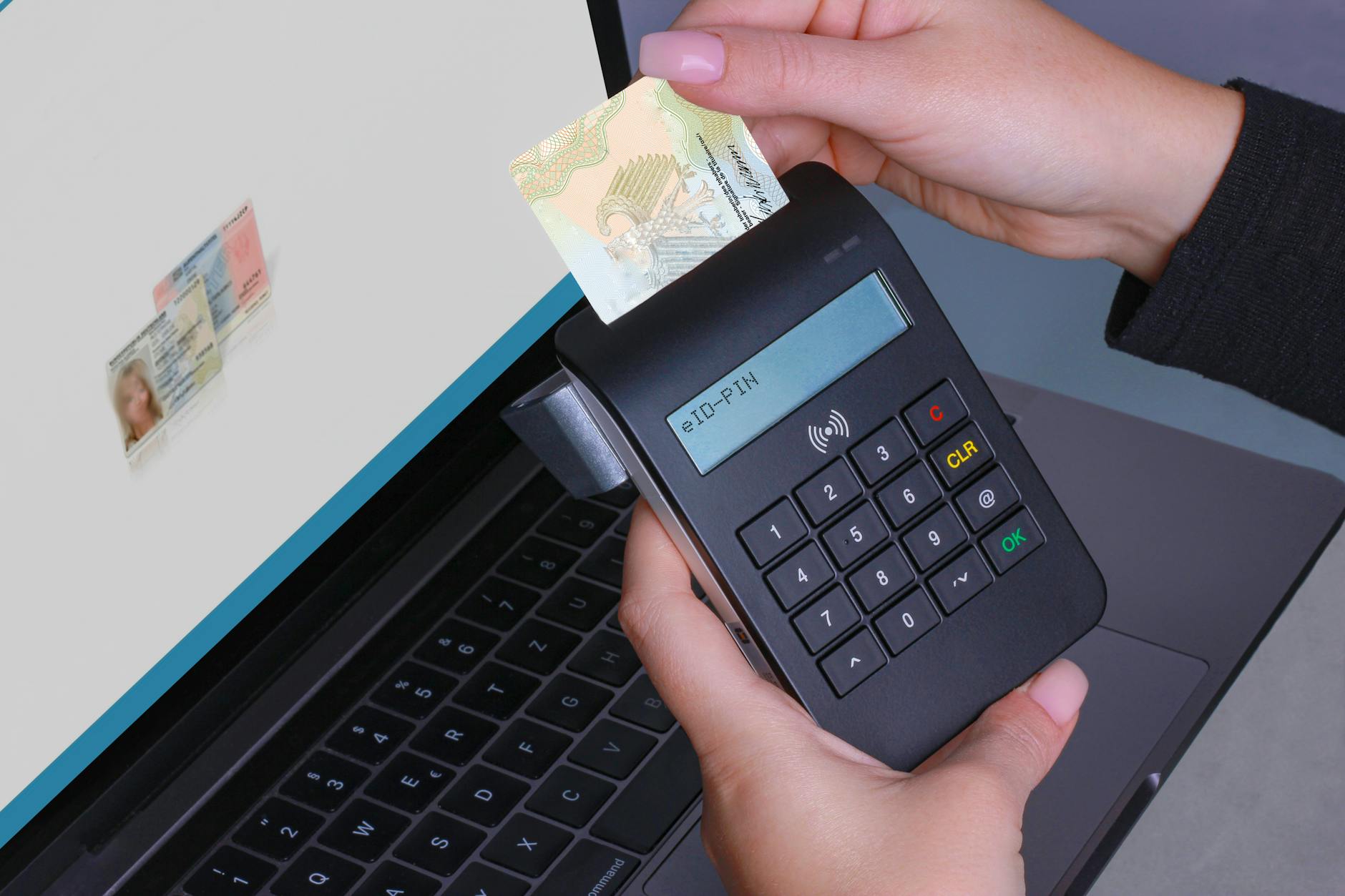
The IP PIN program works by adding a layer of verification that only the legitimate taxpayer should possess. When you file a federal return””whether electronically or on paper””you include your six-digit IP PIN. The IRS checks this code against their records, and if it does not match, the return is rejected. This stops the most common form of tax identity theft, where criminals use stolen personal information to file fraudulent returns claiming large refunds. Obtaining an IP PIN is straightforward for most taxpayers. The primary method is through an IRS Online Account, which requires identity verification through ID.me. This involves submitting a government ID and taking a selfie for facial recognition matching.
If you cannot verify online, Form 15227 allows you to request a PIN by mail, though this option has income limits: $84,000 adjusted gross income for individuals, or $168,000 for those married filing jointly. Taxpayers above these thresholds who cannot complete online verification must visit an IRS Taxpayer Assistance Center in person. The program has practical limitations worth understanding. An IP PIN only protects federal returns””state tax agencies have their own systems, and not all offer equivalent protection. The PIN must be retrieved and entered correctly each year, as the code changes annually. If you forget your PIN during filing season, you will need to access your IRS Online Account to retrieve it, which can be frustrating if you encounter verification issues. Additionally, if a criminal somehow obtains your IP PIN along with your other information, the protection fails entirely. Think of it as a strong lock, not an impenetrable vault.
What Tax Preparers Are Now Required to Do Under Federal Law
The FTC Safeguards Rule imposes specific cybersecurity requirements on all paid tax preparers, regardless of how small their practice. This is not optional guidance””it is federal law with meaningful penalties. Every covered preparer must maintain a written information security program, conduct periodic risk assessments, encrypt customer information both at rest and in transit, implement access controls with regular review, and designate a “Qualified Individual” to oversee the security program. For taxpayers, this means you have a right to expect certain baseline protections when working with a preparer. If your tax professional asks you to email unencrypted documents containing your Social Security number, they are violating federal requirements. If they store your prior returns on an unencrypted laptop that could be stolen, that is a compliance failure.
You can reasonably ask how a preparer protects your data””and consider it a red flag if they cannot answer clearly. The penalties for non-compliance are substantial. Preparers face fines of up to $100,000 per violation, with daily penalties ranging from $43,000 to $46,517. Beyond fines, the IRS can suspend a preparer’s PTIN (Preparer Tax Identification Number) or revoke their EFIN (Electronic Filing Identification Number), effectively ending their ability to practice. Since May 2024, preparers must also notify the FTC within 30 days of discovering any data breach affecting 500 or more consumers. These enforcement mechanisms give the rules teeth.
Who Gets Targeted: Understanding Tax Identity Theft Demographics
Tax identity theft does not affect all populations equally. According to fiscal year 2023 data, 69 percent of affected taxpayers had incomes at or below 250 percent of the Federal Poverty Level. This concentration among lower-income filers likely reflects several factors: higher rates of claiming refundable credits like the Earned Income Tax Credit, less access to identity monitoring services, and potentially longer delays in filing (creating wider windows for fraud). The broader identity theft picture shows the scale of the problem. Nearly one in three Americans””31 percent””report being victims of identity theft at some point.
The FBI’s Internet Crime Complaint Center received over 1,000 complaints specifically about tax-related identity theft in the past year, representing a 26 percent increase from the prior year. These figures almost certainly undercount actual incidents, as many victims never file formal complaints. This demographic reality means that security measures like IP PINs provide particular value to filers who claim refundable credits or who file later in the season. If you typically receive a significant refund, you represent a more attractive target for criminals””they can claim your refund before you file. Lower-income filers who lack the resources to navigate an extended identity theft resolution process have the most to lose from inadequate protection.

Recognizing Phishing: How Criminals Target Tax Filers
The IRS maintains a clear policy: they never initiate contact with taxpayers through email, text message, or social media to request personal or financial information. Any message claiming to be from the IRS and asking you to click a link, verify your identity, or provide account details is fraudulent. This simple rule eliminates most phishing attempts, but only if you actually follow it. Real-world tax phishing schemes often impersonate well-known tax software companies or claim to be notifications about refund status. A common pattern involves an email stating that there is a problem with your return and directing you to a convincing but fake login page.
Once you enter your credentials, criminals have access to your actual account””along with all the personal information stored there. Variations include fake IRS notices about audits, stimulus payments, or tax law changes, all designed to create urgency that overrides caution. When you need to access IRS services, navigate directly to IRS.gov by typing the address in your browser. Verify that the URL shows “https://” (the secure protocol) and ends in “.gov” (the official government domain). Do not click links in emails, even if they appear legitimate. For sharing tax documents with a preparer, use encrypted file-sharing services rather than email attachments””most email travels unencrypted and can be intercepted.
The Resolution Timeline: What Happens If Your Tax Identity Is Stolen
If you become a victim of tax identity theft, prepare for a lengthy process. Current resolution times average 20 to 22 months from the time you report the issue to when you receive your legitimate refund and your account is cleared. During this period, you will likely need to respond to multiple IRS notices, verify your identity through various channels, and track the status of your case through a system not designed for transparency.
The extended timeline reflects both the complexity of verifying legitimate taxpayers and the current staffing constraints at the IRS. Each case requires manual review by an employee trained in identity theft resolution””work that cannot be fully automated. With a 26 percent workforce reduction already implemented, the pipeline for resolving these cases has narrowed even as incident volume increases.
Looking Ahead: Tax Security in the Coming Years
The security landscape for tax filing continues to evolve, with both protective measures and criminal tactics becoming more sophisticated. The IRS push for universal IP PIN adoption represents an acknowledgment that traditional identity verification””Social Security numbers and birthdates””no longer provides adequate protection. As biometric verification through services like ID.me becomes more common, expect authentication to increasingly rely on factors that cannot be easily stolen or replicated.
Tax preparers face an ongoing compliance burden that may reshape the industry. Smaller practices that cannot afford robust cybersecurity infrastructure may consolidate or exit the market, while larger firms invest in security as a competitive differentiator. For taxpayers, this creates an opportunity to choose preparers based partly on their security practices””asking questions about encryption, access controls, and data retention policies before handing over sensitive documents.
Conclusion
Protecting your tax filing accounts requires specific actions, not general caution. Get an Identity Protection PIN through your IRS Online Account, enable multi-factor authentication on every tax-related platform, and file your return early in the season. These measures address the primary vectors through which tax identity theft occurs: fraudulent filings using stolen personal information, account takeovers through compromised passwords, and the simple mathematics of criminals filing before legitimate taxpayers.
If you use a paid preparer, verify that they comply with FTC Safeguards Rule requirements””you have both a practical interest and a legal right to know how your data is protected. Watch for phishing attempts, remember that the IRS never initiates contact through email or text, and access official services only through IRS.gov. The 2026 filing season opens January 26, with a deadline of April 15. Your 2026 IP PIN is available now.