
Securing your property tax account means using encrypted websites (identified by “https:” in the URL), enabling multi-factor authentication when available, and verifying all payment information before submission. Your property tax account is a valuable target for identity thieves because it contains personal information, property details, and payment methods—making it a gateway to committing fraud under your name.
In 2025, over 2 million tax returns were flagged by the IRS for possible identity fraud, and property tax accounts can be exploited in similar ways to file fraudulent claims, redirect payments, or alter property records on file with your county assessor. The good news is that most property tax portals now offer basic security features, and you control many variables that determine whether your account remains safe. Whether you’re paying property taxes through Orange County’s new eCheck system (available at no cost compared to credit card service fees), using a traditional check, or submitting payments online, each method has specific security protocols you should follow to prevent unauthorized access, fraudulent payments, or identity theft.
Table of Contents
- Why Property Tax Accounts Are a Target for Identity Thieves
- Understanding the Real Risks: Identity Theft and Property Tax Fraud
- Verifying Your Account and Using Secure Payment Methods
- Setting Up Multi-Factor Authentication and Email Alerts
- Protecting Yourself from Common Scams and Fraudulent Requests
- Monitoring Your Property Records for Unauthorized Changes
- What to Do If You Suspect Fraud on Your Property Tax Account
Why Property Tax Accounts Are a Target for Identity Thieves
Your property tax account contains a combination of sensitive data that makes it attractive to fraudsters: your full name, property address, financial account information, and sometimes your Social Security number if the county uses it for identification. Criminals who gain access to your account can submit false payment claims, change the mailing address for tax bills (so you never see unauthorized transactions), or steal enough information to commit identity theft. One of the most damaging scenarios is when a thief changes the property address on file, redirecting future tax bills and notices to an address they control, giving them months or years to rack up fraudulent charges before you notice.
Florida residents face particular risk, ranking #1 nationally with 2,179 fraud and identity theft reports per 100,000 residents according to recent data. Even if you don’t live in Florida, the vulnerability is universal: property records are semi-public information, and your tax account is directly connected to that public record. Once a thief changes your address on file or sets up false payment arrangements, the damage can take nearly two years to resolve, according to the National Taxpayer Advocate, making this one of the slowest and most complicated types of identity theft to repair.
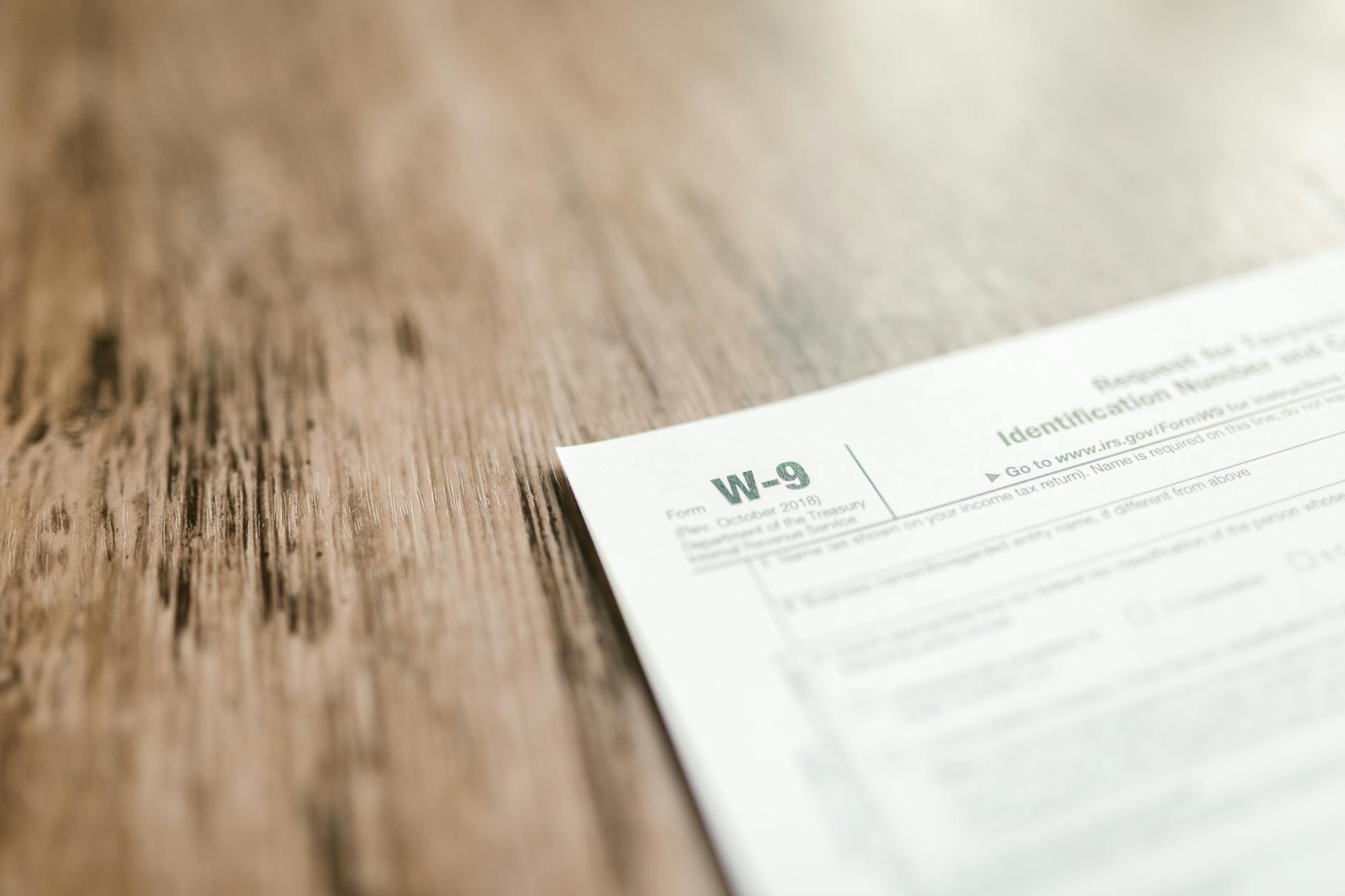
Understanding the Real Risks: Identity Theft and Property Tax Fraud
Identity theft involving property taxes cost the U.S. economy $4.5 billion in 2025 according to IRS Criminal Investigation data, and the methods are becoming more sophisticated. Attackers may impersonate you to claim property tax exemptions you don’t qualify for, submit fraudulent homeowner deferrals, or in more extreme cases, even attempt to place a lien on your property.
The average victim of property tax identity theft spends almost two years resolving the damage, during which time their credit score can suffer, they may receive surprise collection notices, and they could face complications when selling or refinancing their home. One limitation that many property owners don’t realize: simply changing your online password is not enough if a thief has already altered the recovery email address or phone number on file. By that point, you cannot regain access to the account without calling the county directly and potentially proving your identity through additional documentation. This is why prevention—locking down your account before any breach occurs—is exponentially easier than recovering afterward.
Verifying Your Account and Using Secure Payment Methods
Before you make your first online payment, verify that you’re on the official government website by checking for “https:” in the URL, which indicates encrypted data transmission between your browser and the county’s servers. Do not rely on email or postal mail to confirm payment addresses or websites; instead, go directly to your county’s official tax collector website using a phone number you find independently (call directory assistance or look up your county’s phone number separately). This protects you from phishing emails that include fake links or fake phone numbers designed to trick you into entering your payment information on a fraudulent site. Orange County, like many California counties, now offers multiple payment options: eCheck payments at no cost, credit card or debit card payments with applicable service fees, and traditional mail payments.
Each method has different security considerations. EChecks offer a balance of security and cost savings, while credit card payments create a documented transaction trail but cost more in fees. If you choose to mail a check, drop it directly inside a U.S. Post Office—not in a home mailbox where a thief could intercept it and alter the amount. One important warning: if your payment submission contains errors (like writing the incorrect amount, sending payment to the wrong account, or using a closed bank account), your payment will be returned and you will be charged an $85 fee, making it expensive to make mistakes.
Setting Up Multi-Factor Authentication and Email Alerts
Multi-factor authentication (MFA) is recommended by financial institutions and tax professionals as one of the simplest and most effective ways to prevent unauthorized account access. If your county’s tax collector portal offers MFA, enable it immediately—this typically means that even if someone obtains your password, they cannot access your account without a temporary code sent to your phone or email. Morgan Stanley’s cybersecurity guidance specifically recommends MFA when filing taxes online and accessing property tax accounts, yet many property owners skip this step because they assume their property tax account isn’t valuable enough to target.
Most county tax collector websites now offer email or text payment reminders through eSubscriptions services—such as those available through the Orange County Treasurer-Tax Collector office. By signing up for these reminders, you’ll receive automatic notifications on upcoming deadlines, which serves two purposes: it ensures you don’t miss a payment and accidentally incur penalties, and it alerts you if someone else is accessing your account and changing your notification settings. The tradeoff is that you’ll receive more notifications than you might otherwise want, but this minor inconvenience provides early warning of unauthorized account activity. If you stop receiving reminders around your normal payment date, that could indicate someone has changed your email address on file.
Protecting Yourself from Common Scams and Fraudulent Requests
Scammers frequently pose as tax collectors in phone calls and emails, claiming you owe back taxes, threatening liens, or demanding immediate payment via gift card or wire transfer—none of which are legitimate government payment methods. The IRS and county tax agencies will never initiate contact via text, email, or unsolicited phone calls demanding payment. Always treat unexpected communications with extreme skepticism; if someone claiming to be from your tax collector’s office contacts you, hang up and call the official county phone number yourself to verify.
A critical limitation to understand: even if you secure your own account perfectly, a thief could still commit fraud using your property information if they obtain it through a data breach at another company (your county assessor, mortgage company, or title company). This underscores why monitoring your property records is a separate and important security measure. If you discover fraudulent activity has already occurred, contact your county assessor and tax collector immediately, file a report with the FTC at IdentityTheft.gov, and consider placing a fraud alert or credit freeze on your credit files.
Monitoring Your Property Records for Unauthorized Changes
Many counties offer free Property Fraud Alert services that notify you if certain changes are made to your property records—such as changes to the mailing address, ownership information, or exemption status. These services won’t prevent fraud, but they provide early detection, which is crucial because catching fraud within days rather than months can dramatically shorten your recovery time.
If your county doesn’t offer this service, periodically log into your assessor’s website and verify that your property information matches what you know to be accurate. Check that your registered address, exemption status, and property description haven’t been altered. Even seemingly small changes, like a different spelling of your name or a different unit number, can be red flags that someone has been accessing your record.
What to Do If You Suspect Fraud on Your Property Tax Account
If you notice unauthorized changes, missing billing statements, unexpected collection notices, or changes to your account settings that you didn’t make, treat it as urgent. Document everything, including the date you discovered the fraud, screenshots of any unauthorized changes, and copies of any suspicious correspondence.
Contact your county tax collector and assessor immediately by phone (use the official number), and file a complaint with the FTC’s IdentityTheft.gov portal, which logged 1.135 million identity theft reports in 2024 alone. Going forward, the fact that tax identity theft takes nearly two years to fully resolve on average means you’ll need to stay vigilant during that entire period. Request written confirmation of any changes made to your account, monitor your property records regularly, and be prepared for the possibility of surprise bills or notices related to the fraudulent activity even after you’ve resolved the initial incident.
You Might Also Like
- How to Secure Your Tax Preparer Account Access
- How to Secure Your Cryptocurrency Exchange Account
- Signs Your Tax Transcript Was Requested Fraudulently