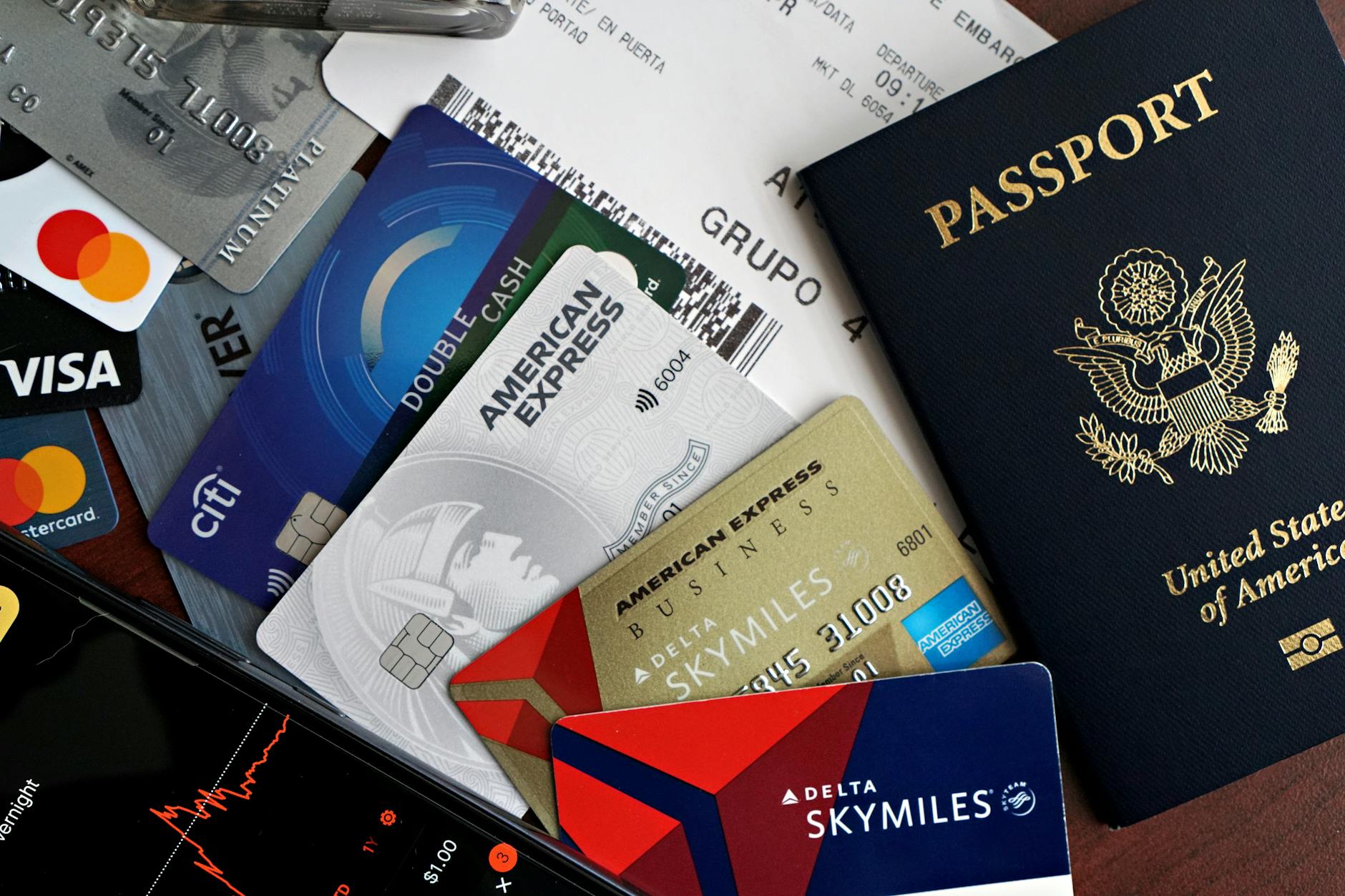
Securing your rewards account properly means implementing a multi-layered approach that combines strong authentication, regular monitoring, and careful information management. The stakes are significant: with credit card fraud hitting $13.7 billion in losses during 2025—the highest amount globally—your rewards accounts have become targets for fraudsters who exploit weak security practices. By taking deliberate steps to protect your accounts, you can dramatically reduce your risk of becoming another fraud statistic. A concrete example illustrates why this matters. Consider a traveler who uses the same password across five different airline and hotel loyalty programs.
When one program experiences a data breach, criminals gain access not just to that rewards account, but potentially to all five accounts. If those credentials match their email and password elsewhere, the damage extends far beyond loyalty points. In contrast, a person using unique, strong passwords and multi-factor authentication on each account would limit the breach’s impact to a single, isolated account—and that account would be significantly harder to compromise in the first place. Rewards programs are particularly attractive targets for fraudsters because they’re often perceived as lower-security than primary banking accounts. This misconception creates a vulnerability. The good news is that implementing proper security practices is entirely within your control, and the benefits are measurable.
Table of Contents
- Why Multi-Factor Authentication is Your Strongest Defense
- Account Monitoring—The Early Warning System Against Fraud
- Protecting Your Personal Information from Overexposure
- Device Security and Access Location Practices
- The Growing Fraud Threat—2025 Statistics and Trends
- Managing Multiple Rewards Accounts and the Password Manager Solution
- Quarterly Reviews and Forward-Looking Account Hygiene
Why Multi-Factor Authentication is Your Strongest Defense
Multi-factor authentication (MFA) stands as one of the most effective security tools available to rewards account holders. According to research from The Points Guy, MFA is “much more robust at stopping hackers than other security systems, essentially doubling the security and making it virtually impossible for a hacker to get through.” When you require a second form of verification—typically a code sent to your phone or generated by an authenticator app—you create a barrier that password theft alone cannot penetrate. The difference between accounts with and without MFA is striking. Without MFA, a compromised password is often sufficient for a criminal to drain your points, change your contact information, or redirect rewards to their own account.
With MFA enabled, even if someone obtains your password, they cannot access your account without that second factor. This dual-layer protection is why security experts consistently recommend MFA as the single most important security measure for any online account, especially those tied to financial value like rewards programs. However, MFA does introduce a minor friction point: you’ll need access to your phone or authenticator app to log in, which means longer login times and occasional inconvenience if you lose your phone. This small inconvenience is a worthwhile tradeoff for the dramatic increase in security.

Account Monitoring—The Early Warning System Against Fraud
Regular account monitoring is not just a good practice; it’s demonstrably effective at preventing financial harm. Research from Alloy in 2025 shows that consumers who monitor their accounts regularly are 54% less likely to suffer financial losses from fraud. This single statistic underscores a fundamental principle: awareness and quick action matter enormously when it comes to fraud prevention. When you monitor your rewards accounts, you’re watching for warning signs: unexpected point deductions, unfamiliar transactions tied to your account, changes to your personal information, or redemptions you didn’t make. According to WalletHub, 48% of respondents reported that their credit card company immediately blocked fraudulent charges, preventing any financial loss entirely.
This protection only works if the fraud is caught quickly, which requires either alert systems from the issuer or your own regular review. Many rewards programs allow you to set up email or SMS alerts for account activity, which can notify you of suspicious changes in real-time. The limitation here is that not all fraud is caught immediately, and some damages may already be done by the time you notice them. Additionally, if your email or phone is compromised, fraudsters could delete these alerts before you see them. This is why monitoring your official account directly—by logging in and reviewing activity—is more reliable than relying solely on notifications.
Protecting Your Personal Information from Overexposure
One of the most underutilized security practices is simply knowing what information you don’t need to provide. According to The Points Guy’s research on loyalty program security, you should never provide your Social Security number or driver’s license number on loyalty program applications unless absolutely required. Most rewards programs do not need these documents to function, and providing them unnecessarily expands your risk surface. Many people enter loyalty programs carelessly, clicking through enrollment pages and providing every requested piece of information. A concrete example: signing up for a retail rewards program that asks for your address, phone number, and date of birth.
While the retailer might want this data for marketing purposes, the rewards program itself only needs enough information to identify you and credit your purchases. Every additional data point you provide becomes another potential target if the company experiences a breach. According to Security Magazine, this information hoarding approach by companies creates unnecessary vulnerabilities. The tradeoff to consider is that providing minimal information might sometimes result in a slightly less personalized experience or prevent you from accessing certain features. However, this minor limitation is far outweighed by the security benefit of reducing the amount of sensitive data in the company’s database. Think of it as information minimalism: provide only what’s necessary, nothing more.
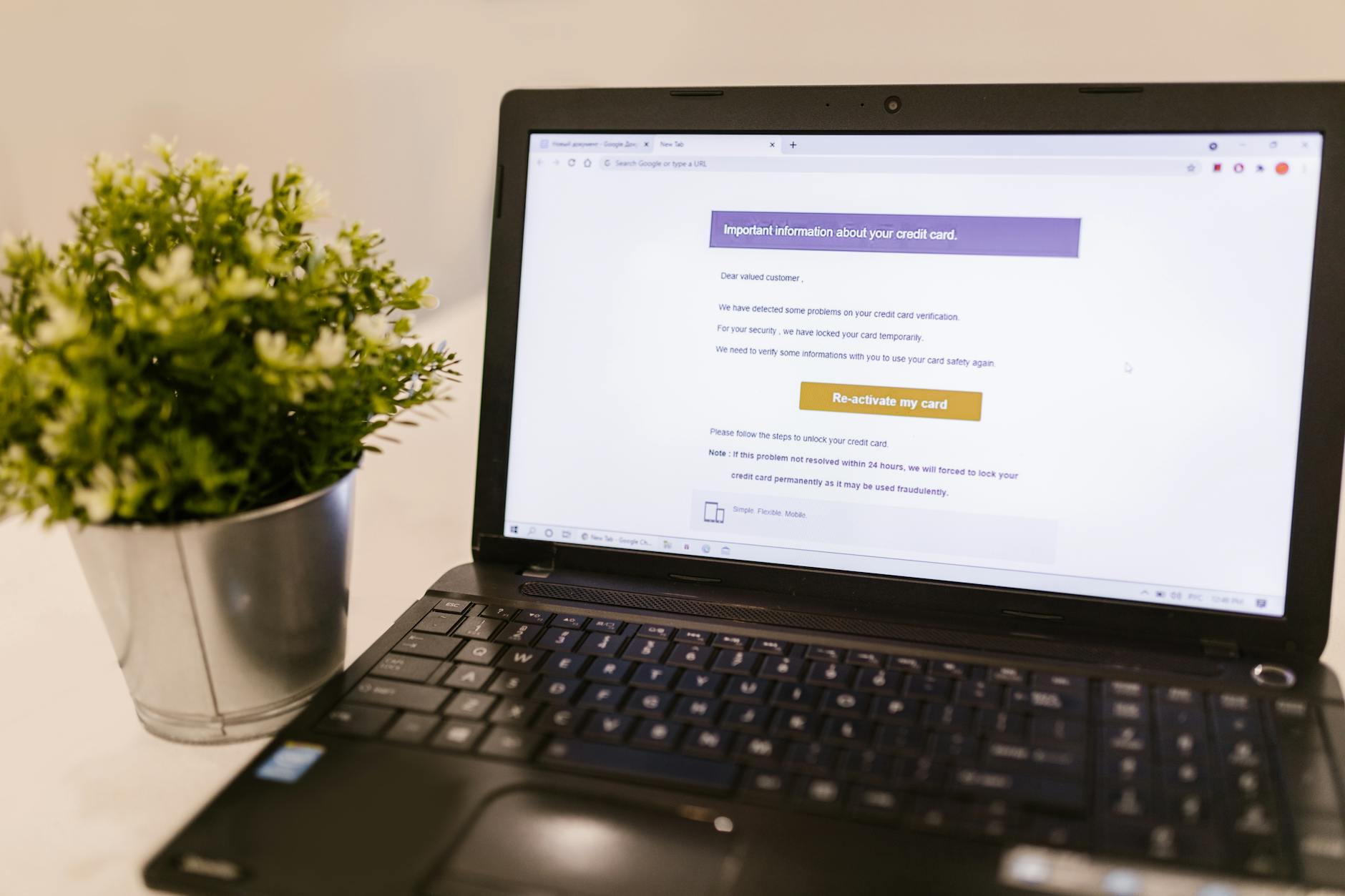
Device Security and Access Location Practices
Where and how you access your rewards accounts significantly impacts their security. Security Magazine’s guidance is clear: avoid logging into rewards accounts from shared or public devices. Public devices in libraries, internet cafes, airports, and shared household computers all present risk. These devices may contain malware, keyloggers, or other spyware installed by previous users or attackers. When you log into your rewards account on a compromised device, you’re potentially giving criminals direct access to your credentials. Instead, access your rewards accounts only from devices you control and have secured with antivirus software and regular security updates.
If you must use a shared device, use a password manager that fills in your credentials for you, reducing the likelihood that keyloggers capture your password. Additionally, always log out completely when finished, and clear the browser cache and cookies if the device allows you to do so. Some password managers and browsers offer additional protections by not filling in sensitive information on public networks, which provides an extra layer of defense. The practical limitation here is convenience: if you travel frequently and only have access to shared devices, this advice becomes harder to follow. In those situations, consider accessing your rewards accounts only when you return to a secure device, rather than managing them while traveling. The temporary inconvenience of delayed access is preferable to the risk of credential compromise while away from home.
The Growing Fraud Threat—2025 Statistics and Trends
The landscape of fraud targeting rewards accounts has intensified in recent years. According to CardRates, there were 1,157,317 identity theft cases reported through Q3 of 2025, with credit card fraud leading the way. This represents millions of people targeted by criminals who view financial accounts—including those tied to rewards programs—as valuable targets. Certain demographics are being hit harder than others. Millennials aged 25 to 40 account for 41% of fraud victims in 2025, suggesting that this age group’s comfort with digital accounts and frequent travel and shopping behavior makes them higher-value targets. More alarming, credit card fraud among college students aged 18-24 rose 33% in 2025.
This sharp increase suggests that younger, less security-conscious account holders are being specifically targeted. These statistics serve as a warning: age and experience level matter less than your actual security practices. Even young people can protect themselves effectively, and even experienced internet users can make mistakes. The silver lining is that 45% of fraud victims reported that charges were eventually refunded or reversed after investigation, according to WalletHub. However, this refund process is slow, stressful, and requires proof that fraud occurred. Prevention through proper account security remains far preferable to the lengthy recovery process.

Managing Multiple Rewards Accounts and the Password Manager Solution
Most people hold rewards accounts with multiple programs: airline loyalty, hotel chains, credit card issuers, retail stores, and more. Managing passwords for all these accounts manually is not only inconvenient—it’s a security risk that leads to password reuse. When you reuse passwords across accounts, a single breach can compromise your entire rewards ecosystem. The solution is to use a password manager, which Security Magazine and The Points Guy both recommend.
Password managers like 1Password, LastPass, Bitwarden, or Dashlane store unique, complex passwords for each account, encrypted with a single master password. This approach solves two problems simultaneously: it ensures each account has a unique, strong password, and it prevents you from being tempted to reuse passwords for convenience. A password manager generates 16+ character passwords with mixed characters, numbers, and symbols—far stronger than anything most people create manually. The trade-off is that you’re trusting a third-party company with encrypted copies of your passwords, which introduces a small amount of centralized risk. However, major password managers are specifically designed to withstand breaches, and security experts generally agree that this concentrated risk is far lower than the distributed risk of password reuse.
Quarterly Reviews and Forward-Looking Account Hygiene
Your account security is not a one-time setup; it requires ongoing maintenance. Privacy Bee recommends reviewing your data privacy settings quarterly and revoking permissions for loyalty tracking apps you no longer use. Many rewards programs have integrated third-party apps that request permission to track your shopping behavior or offer enhanced recommendations. Over time, these integrations accumulate, expanding your digital footprint and the number of companies with access to your rewards data.
Looking forward, the role of rewards account security will only grow more important as fraudsters develop more sophisticated techniques and as more of our financial life moves into digital spaces. Financial institutions are responding: according to Alloy’s 2025 research, 87% of financial institutions report that fraud prevention efforts save more money than they cost. This suggests that major companies are investing heavily in fraud prevention, but these corporate safeguards cannot replace your personal responsibility. The future of rewards account security depends on individuals taking ownership of their accounts through strong passwords, MFA, regular monitoring, and careful information management.
You Might Also Like
- How to Secure Your Pinterest Account Online
- How to Secure Your Analytics Account Access
- What to Do If Your Company Bank Account Is Hacked