US Treasury Issues First Sanctions Against VPN Operators Supporting Ransomware Gangs

The US Treasury has sanctioned VPN operators for the first time, targeting services that shielded ransomware groups for over a decade.

Who was breached, what was exposed, and what to do about it.
Hashed in your browser - only five characters of the hash are ever sent.
1,000+ catalogued breaches: the date, the account count, and exactly what was exposed.
Tick what was leaked and get the steps in order, each linked to the rule behind it.
All three bureaus, plus the four registries a credit freeze does not cover.
Tips to protect your data and privacy
Browse →484 guidesBreaking news on recent data breaches
Browse →287 guidesAll the latest and largest data breaches
Browse →229 guidesIdentity theft prevention and news
Browse →203 guidesData breaches at technology companies
Browse →139 guidesData breaches affecting retail and e-commerce companies
Browse →
The US Treasury has sanctioned VPN operators for the first time, targeting services that shielded ransomware groups for over a decade.

The Treasury targets the hidden infrastructure ransomware gangs depend on to launch attacks costing American businesses billions.

Ransomware attacks reached 5,275 incidents in H1 2026, with threat actors now targeting large enterprises alongside traditional SMB victims.

Ransomware groups are targeting enterprises with laser focus, with large companies facing 74 percent more attacks in 2026.

Attackers hide credential-stealing malware in fake and compromised open-source packages, targeting developers who trust package managers blindly.

Developers face a hidden risk when installing software packages: counterfeit repositories containing credential-stealing malware designed to capture their most sensitive authentication data.

Windows filesystem redirection tricks let compromised systems hide malware from EDR tools, requiring urgent patching and enhanced path validation.

Windows administrators face a new threat where legitimate system features become invisible smuggling routes for malware, bypassing EDR tools and security scanners.

Private investigators and hackers conspired to breach climate activists’ accounts, feeding leaked documents to media outlets to undermine climate investigations targeting ExxonMobil.

Attackers are purchasing compromised login credentials as the fastest path to deploying ransomware, bypassing traditional defenses entirely.

Breach coverage goes wrong in two directions: inflating an exposure into a certainty, or burying it. We publish the disclosed numbers, name the source, and mark clearly where an investigation is still open and the count may change.
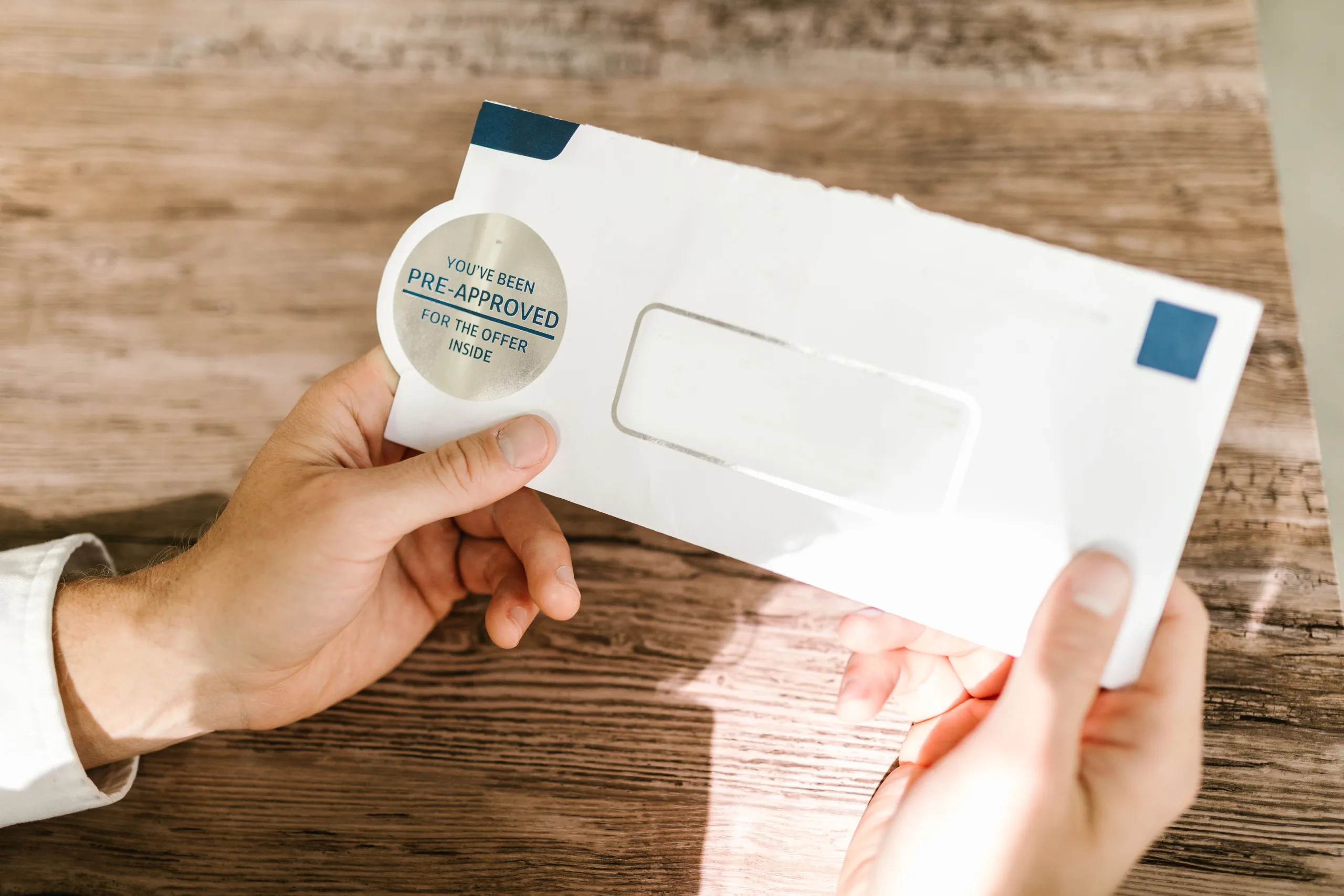
Most people find out from a letter weeks after the fact. These are the steps that still work at that point, in the order they should be done, with what each one does and does not protect.
Primary sources: the breached organization's own notification letter, filings in state Attorney General breach databases, the U.S. Department of Health and Human Services breach portal for healthcare incidents, SEC filings, court records and regulator announcements. Where we cite a figure, that figure comes from one of those documents.
Not necessarily, and the difference matters. Most notices state that an unauthorized party accessed or acquired data. That is a different finding from evidence that the data has been used for fraud. We report which one a given notice supports, and we do not fill the gap with speculation.
No. Only the organization that holds your records can confirm that, and it is required to notify you. What we can do is tell you what was disclosed, who the claims administrator or notification contact is, and what steps are worth taking while you wait.
No. Data Breach Radar is independent reporting. Nothing on this site creates a professional relationship or substitutes for advice from a lawyer, a security professional or your bank. Always verify details against the notice you received.
The site is free to read and carries advertising. Some pages may contain affiliate links, which are disclosed on our Affiliate Disclosure page. Advertisers and affiliate partners have no input into what we cover or what we say about it, and we do not accept payment to include, exclude or soften a breach report.
Email contact@databreachradar.com with the URL and what is inaccurate. Corrections to a published report are made on the page itself. Our approach to sourcing and corrections is set out in the Editorial Policy.