What to Do If Someone Files Taxes in Your Name

If someone has filed taxes in your name, your first steps should be filing Form 14039 (the Identity Theft Affidavit) with the IRS, placing a fraud alert…

Who was breached, what was exposed, and what to do about it.
Hashed in your browser - only five characters of the hash are ever sent.
1,000+ catalogued breaches: the date, the account count, and exactly what was exposed.
Tick what was leaked and get the steps in order, each linked to the rule behind it.
All three bureaus, plus the four registries a credit freeze does not cover.
Tips to protect your data and privacy
Browse →484 guidesBreaking news on recent data breaches
Browse →287 guidesAll the latest and largest data breaches
Browse →229 guidesIdentity theft prevention and news
Browse →203 guidesData breaches at technology companies
Browse →139 guidesData breaches affecting retail and e-commerce companies
Browse →
If someone has filed taxes in your name, your first steps should be filing Form 14039 (the Identity Theft Affidavit) with the IRS, placing a fraud alert…

To check if your tax records were accessed, you need to monitor multiple sources: the IRS provides transcript services showing all transcripts requested…

The best tax identity protection services combine real-time monitoring, credit freeze capabilities, and restoration assistance to safeguard your Social…

Protecting your W2 information requires a multi-layered approach that combines vigilance with understanding how thieves operate.

When payroll providers are breached, the consequences ripple far beyond the financial institutions themselves.

Securing your ACH transfer settings requires a multi-layered approach that combines access restrictions, verification protocols, and real-time monitoring…

Direct deposit fraud is a form of identity theft where criminals intercept or redirect your paycheck to an account under their control.

Your routing number is one of nine digits that should be treated with care, but unlike your Social Security number or credit card number, many people…

If your check information has been stolen, take immediate action by contacting your bank, placing a fraud alert with credit bureaus, and monitoring your…

Wire fraud after data breaches happens when criminals use stolen personal information—names, email addresses, phone numbers, and business contacts—to…

Breach coverage goes wrong in two directions: inflating an exposure into a certainty, or burying it. We publish the disclosed numbers, name the source, and mark clearly where an investigation is still open and the count may change.
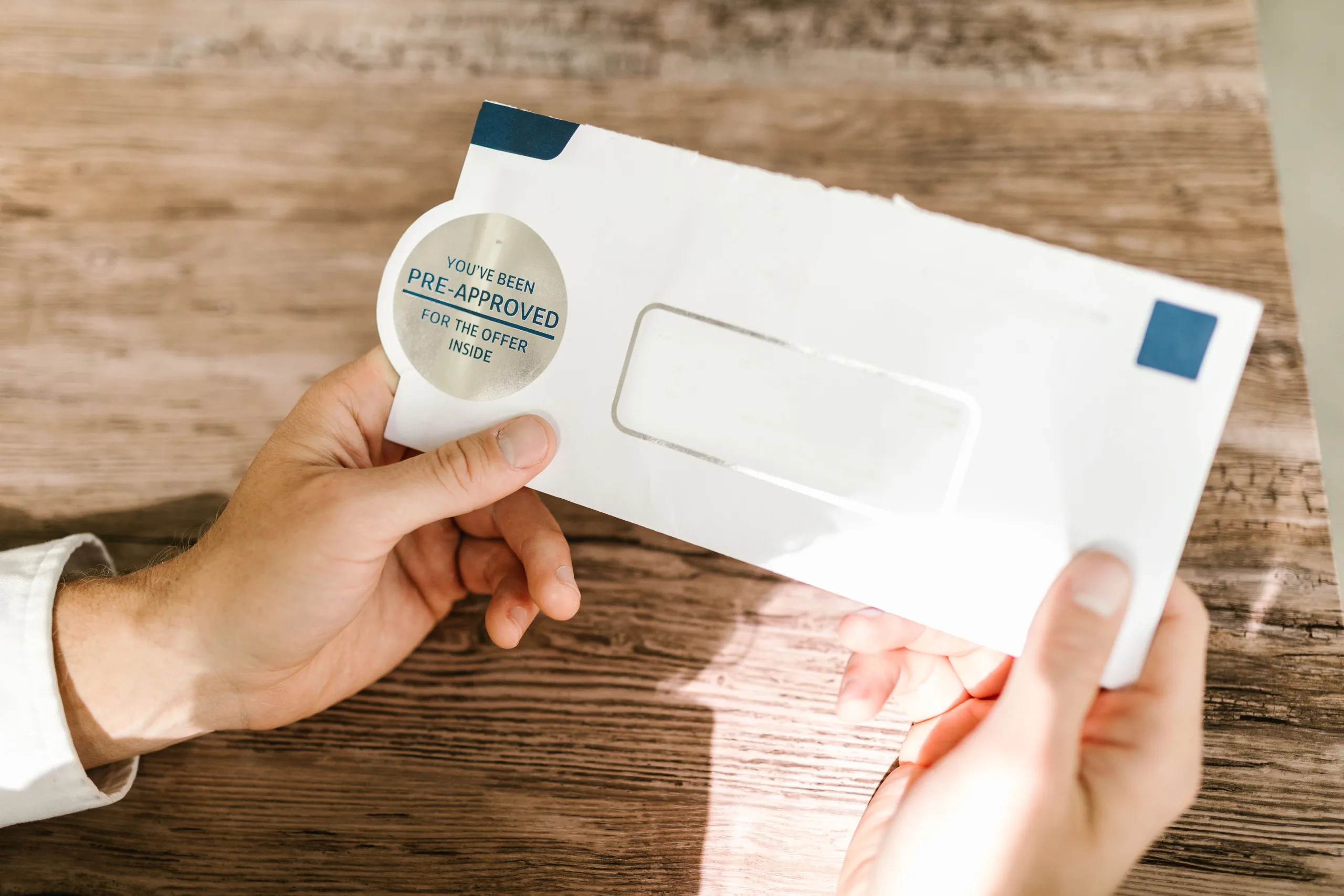
Most people find out from a letter weeks after the fact. These are the steps that still work at that point, in the order they should be done, with what each one does and does not protect.
Primary sources: the breached organization's own notification letter, filings in state Attorney General breach databases, the U.S. Department of Health and Human Services breach portal for healthcare incidents, SEC filings, court records and regulator announcements. Where we cite a figure, that figure comes from one of those documents.
Not necessarily, and the difference matters. Most notices state that an unauthorized party accessed or acquired data. That is a different finding from evidence that the data has been used for fraud. We report which one a given notice supports, and we do not fill the gap with speculation.
No. Only the organization that holds your records can confirm that, and it is required to notify you. What we can do is tell you what was disclosed, who the claims administrator or notification contact is, and what steps are worth taking while you wait.
No. Data Breach Radar is independent reporting. Nothing on this site creates a professional relationship or substitutes for advice from a lawyer, a security professional or your bank. Always verify details against the notice you received.
The site is free to read and carries advertising. Some pages may contain affiliate links, which are disclosed on our Affiliate Disclosure page. Advertisers and affiliate partners have no input into what we cover or what we say about it, and we do not accept payment to include, exclude or soften a breach report.
Email contact@databreachradar.com with the URL and what is inaccurate. Corrections to a published report are made on the page itself. Our approach to sourcing and corrections is set out in the Editorial Policy.