
Signs that your counseling records have been accessed typically include receiving breach notification letters from healthcare providers, spotting unfamiliar sessions in your therapy account logs, discovering unauthorized changes to your contact information or insurance details, or noticing unexpected charges on your billing statement. In a notable 2023 incident, thousands of patients from a major telehealth counseling platform discovered their mental health records were exposed when a backup server was left publicly accessible—patients learned about the breach only after receiving letters weeks later. The delay in notification is itself a red flag many people miss: healthcare breaches often go undetected for 200+ days before being discovered, meaning unauthorized access may have occurred long before you’re formally notified.
Mental health records are among the most sensitive pieces of personal information in the healthcare system, containing detailed notes about your mental state, personal struggles, treatment plans, and sometimes financial or family information. Unlike a medical breach involving routine test results, unauthorized access to counseling records can expose information people have shared in confidence with their therapists. Recognizing the signs of unauthorized access is critical because it gives you the window to take protective action—changing passwords, placing fraud alerts, and monitoring your accounts before any identity theft or targeted scams occur.
Table of Contents
- What Do Unauthorized Counseling Record Access Notifications Look Like?
- Account Activity Logs and Unusual Access Patterns
- Insurance Claims and Billing Irregularities
- Password Changes and Account Lockouts
- Suspicious Marketing, Phishing, or Targeted Communications
- Changes to Provider Records and Insurance Coverage
- Monitoring Services and Credit Reports as Early Detection
What Do Unauthorized Counseling Record Access Notifications Look Like?
When a healthcare provider discovers a breach affecting your data, they’re required by law (HIPAA in the U.S.) to notify you within 60 days. However, the notifications often arrive by mail, which can be delayed, and they use standardized language that can feel vague. A typical breach notification will include the date range when the breach likely occurred, a description of what information was exposed (diagnoses, therapist notes, insurance claims), the number of people affected, and contact information for the provider’s breach hotline.
The problem: many people don’t immediately recognize these letters as serious because they arrive in plain envelopes and use cautious legal language. In 2021, the American Psychological Association found that 40% of therapists surveyed didn’t have basic breach response procedures in place, meaning your notification might not arrive at all from smaller practices. Many independent therapists operate out of home offices or small clinics without the resources of larger healthcare systems, and they may not have cyber insurance or formal incident response plans. If your therapist or counseling clinic is small, you may need to proactively ask them if they’ve experienced any security incidents—many won’t volunteer this information unless directly questioned.

Account Activity Logs and Unusual Access Patterns
Most reputable online therapy platforms allow you to view your login history and active sessions. Log into your telehealth account and check for sessions you don’t recognize, login attempts from unfamiliar locations or IP addresses, or sudden logouts followed by re-login attempts. If your therapy platform uses two-factor authentication and you’ve received authentication requests you didn’t initiate, that’s a strong indicator someone has your password and is attempting to access your account. Apps like BetterHelp, Talkspace, and Ginger provide account dashboards showing recent activity; smaller or legacy platforms may not offer this visibility, which is itself a security limitation worth noting.
One important limitation: many counseling platform logs only show recent activity (the last 30-90 days), so older breaches may not be visible unless the platform itself discloses a breach. Additionally, a breach doesn’t always mean someone actively logged into your account—they may have downloaded your files directly from the provider’s server or database. This is a critical distinction because it means you could have a breach affecting you even if your login history looks completely normal. Request a detailed access log from your provider’s security team if you’re notified of a breach; this log should show whether anyone actually accessed your records or just had the technical capability to do so.
Insurance Claims and Billing Irregularities
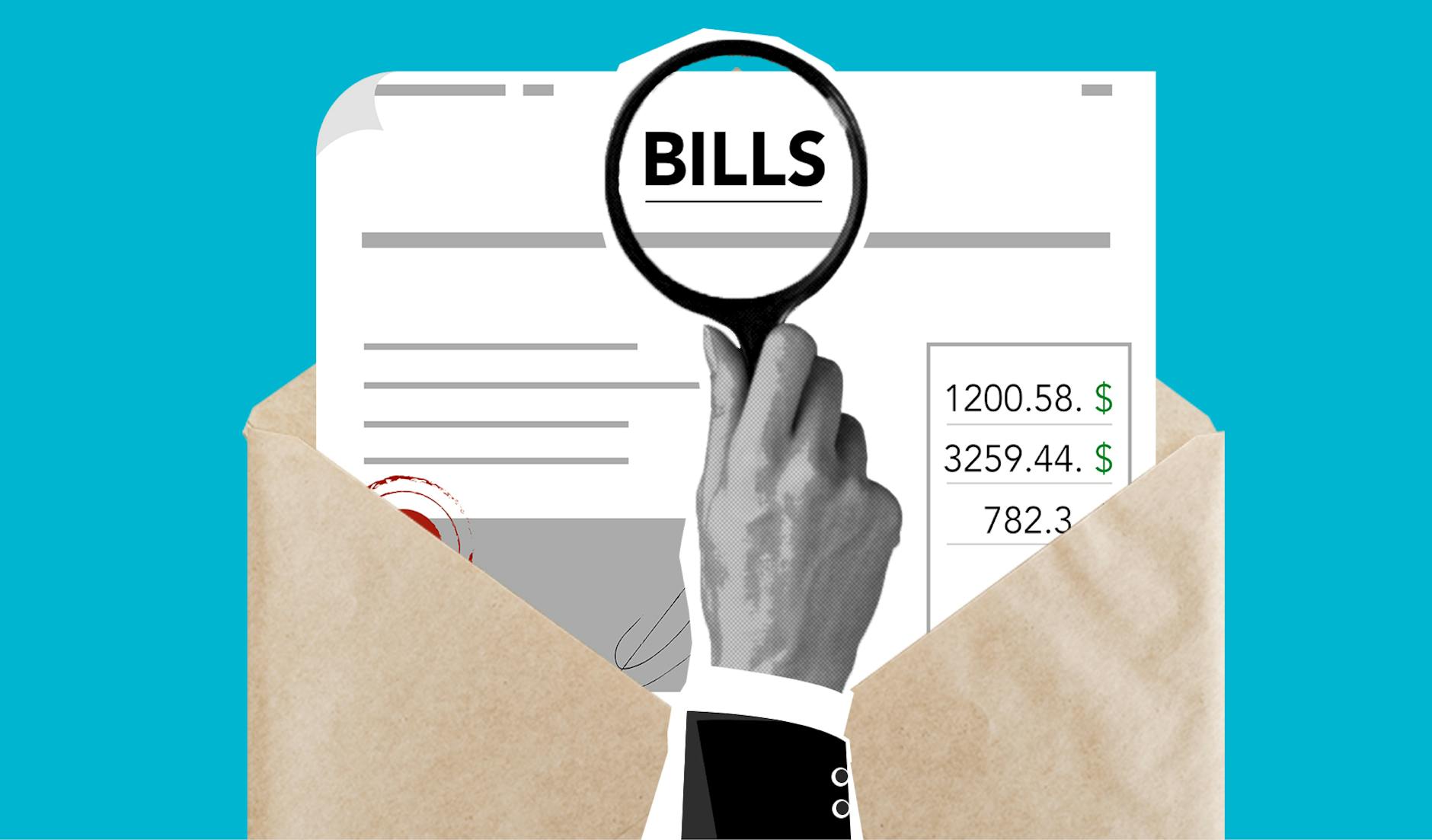
Unexpected insurance claims or therapy bills you didn’t authorize may indicate someone has access to your counseling records and is submitting fraudulent claims using your information. Check your insurance explanation of benefits (EOBs) for sessions you didn’t attend, therapy sessions at clinics you’ve never visited, or charges for services you never received. Sometimes fraudsters will file one or two test claims with your insurance information to see if they’re processed before attempting larger fraud. Compare your insurance records with the actual sessions and invoices from your therapist’s office; discrepancies suggest potential compromise.
If you notice billing issues, contact both your therapist’s billing department and your insurance provider immediately. Be specific about which claims are fraudulent. Your insurance company can flag suspicious claims, deny payment on fraudulent ones (protecting you from out-of-pocket costs), and investigate the source. A lesser-known downside: reporting insurance fraud may trigger additional scrutiny of all your claims, requiring documentation that sessions actually occurred—a hassle but necessary for protection. In one 2022 case, a group of patients realized their psychologist’s billing system had been compromised when they spotted therapy claims for sessions scheduled at times when the office was closed.
Password Changes and Account Lockouts
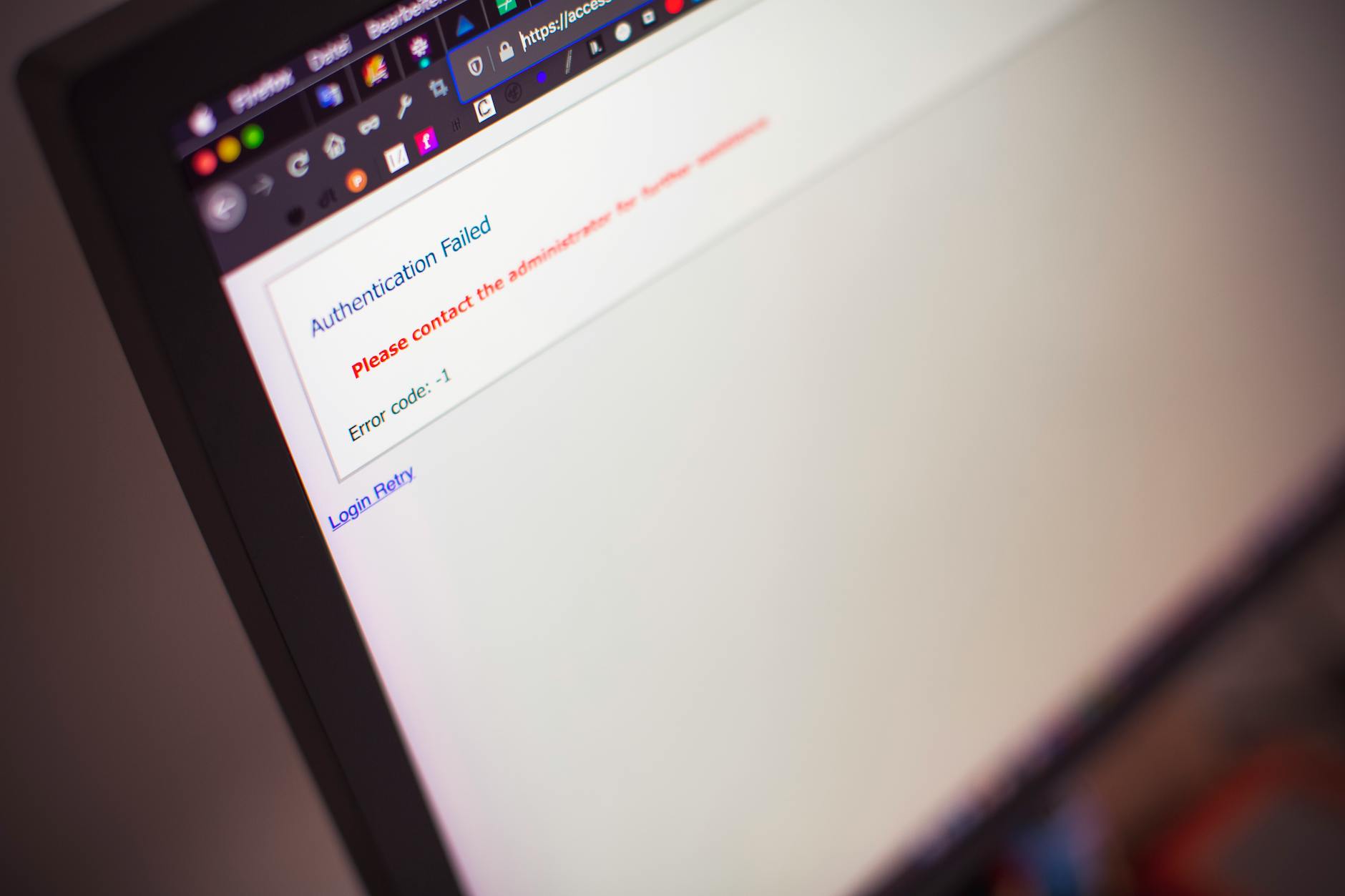
If you attempt to log into your therapy account and can’t, or if you receive unexpected password reset emails you didn’t request, this suggests someone has accessed your account and changed the password to lock you out. Many people ignore these alerts thinking they triggered them accidentally, but a forced lockout from your mental health account is a serious warning sign. Reset your password immediately and make it unique—avoid reusing the password from your email, social media, or other accounts, which is the #1 mistake that allows breach access to cascade across your digital life.
When resetting your password, use a password manager if possible, and ensure your backup email address and phone number (used for account recovery) are current and only belong to you. A critical tradeoff here: stronger password practices mean slightly more friction during login, but the security benefit far outweighs the minor inconvenience. If you can’t reset your password yourself, contact your therapist’s office directly by phone (not by clicking links in emails) to verify whether they’ve disabled your account intentionally or if someone else has compromised it.
Suspicious Marketing, Phishing, or Targeted Communications
After a counseling records breach, some people report receiving targeted emails or calls from scammers offering to “help you with your mental health crisis” or selling medications and supplements related to mental health conditions mentioned in the records. This is a major red flag that detailed information about your mental health has been leaked to unauthorized parties. Legitimate healthcare providers don’t cold-contact you with offers; scammers using stolen records do because they know your likely vulnerabilities and concerns.
Be cautious of anyone contacting you about mental health treatment, insurance claims related to counseling, or prescription medications without you initiating contact. These are common scam vectors after mental health data breaches because the information is highly specific and personalized. A limitation many people don’t realize: even if you have an email filter or spam protection, determined scammers will bypass these using newly created email addresses or domains. If you receive suspicious contact mentioning details about your mental health or counseling, assume it’s phishing and report it to your email provider.
Changes to Provider Records and Insurance Coverage
Contact your therapist’s office directly and ask whether they’ve made any recent changes to your account—address changes, insurance information updates, emergency contact modifications, or consent form changes. Fraudsters sometimes update account information to redirect billing statements, intercept mail, or hide evidence of their access. If you discover changes you didn’t authorize, request a complete history of all account modifications from your provider.
Similarly, contact your insurance provider and verify that they have your current address, phone number, and beneficiary information on file. Some breach actors attempt to change these details to intercept explanation of benefits (EOBs) letters or to reroute claims. In a 2023 case, a patient discovered someone had changed their insurance address to receive EOBs at a different location, allowing the fraudster to submit claims and intercept the documentation.
Monitoring Services and Credit Reports as Early Detection
If you’ve been notified of a counseling records breach, consider placing a fraud alert with the three major credit bureaus (Equifax, Experian, TransUnion) or freezing your credit temporarily. Some breaches of mental health records include Social Security numbers or financial information, increasing your identity theft risk. Many larger health care data breaches now include free credit monitoring services for affected patients, though the quality and duration of these services varies widely.
Forward-looking, healthcare data security is evolving toward more robust encryption and access controls, but breaches remain frequent because most healthcare providers operate outdated systems. The psychology records you shared with your therapist decades ago may still exist on unencrypted backup drives or legacy servers. As more therapy moves online and more providers use cloud-based systems, the attack surface expands—but so does the potential for visibility and accountability when breaches occur.
You Might Also Like
- Signs Your Medical Device Data Is Compromised
- How to Protect Your HVAC Service Records
- How to Protect Your Assisted Living Records