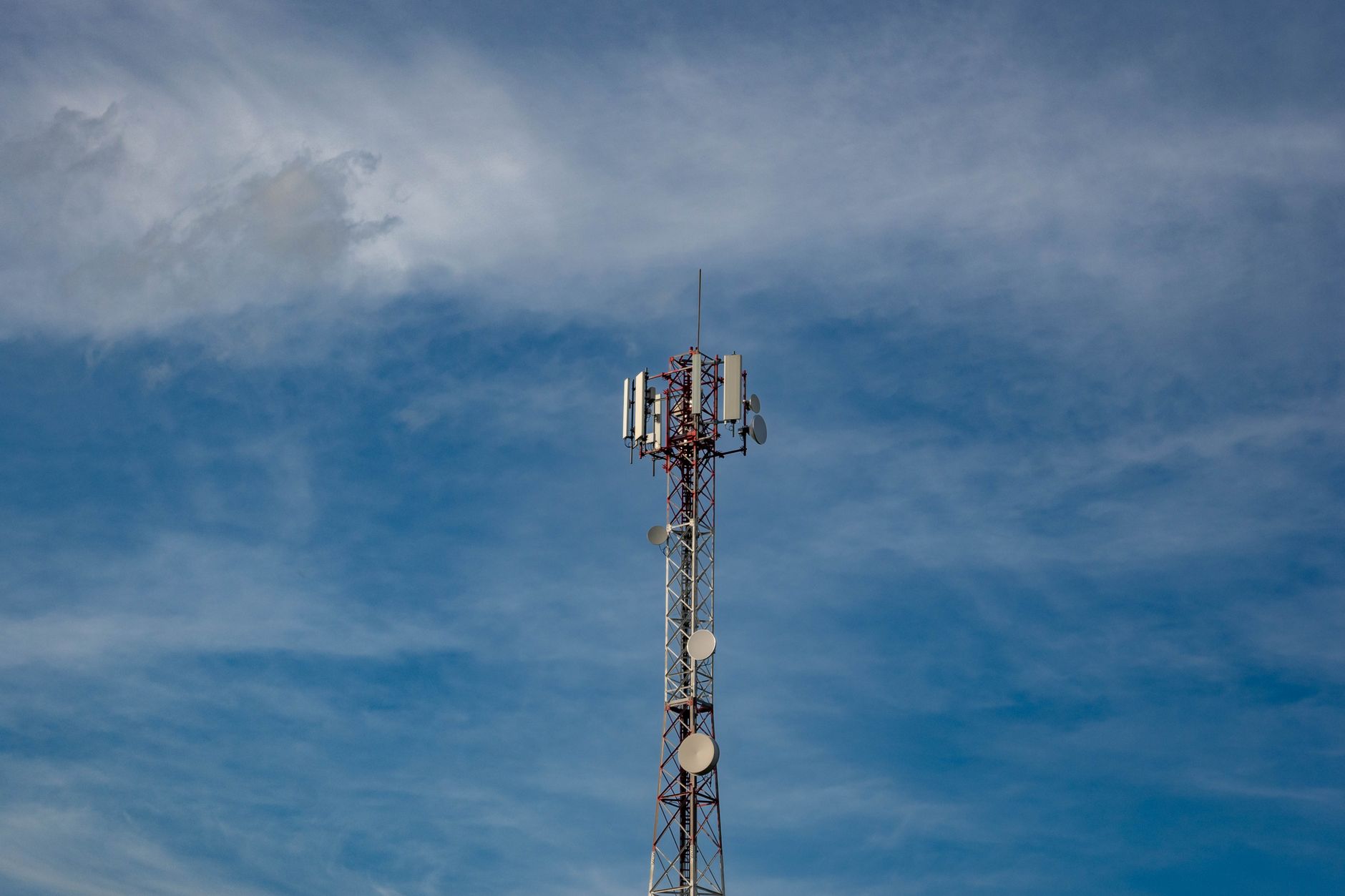
The telecommunications industry is establishing a unified cybersecurity response framework to combat increasingly sophisticated attacks on critical infrastructure. This framework, driven by government coordination and industry leadership, addresses a fundamental vulnerability: telecommunications networks are the backbone of modern critical infrastructure, and their compromise threatens everything built on top of them. In March 2026, seven governments released the 6G Security and Resilience Principles at Mobile World Congress, establishing a coordinated international approach to safeguard telecommunications infrastructure against cyber and physical threats while strengthening supply chain resilience.
The urgency behind this framework has been underscored by escalating threat activity. In February 2026, the China-linked group UNC3886 breached all four major telecommunications operators in a single country, deploying custom TINYSHELL backdoors on Juniper Junos OS routers that physically route national traffic. This incident demonstrated that nation-states now routinely target the most critical layer of telecommunications infrastructure—the systems that literally move data across borders and connect essential services. By the end of 2025, the FCC had already begun reshaping the regulatory landscape by removing governmental cybersecurity standards from telecommunications operators, returning cybersecurity ownership to the telcos themselves and reflecting an industry-wide shift toward framework-based security rather than regulatory mandate.
Table of Contents
- What Is the New Telecommunications Cybersecurity Response Framework?
- The Threat Landscape Driving Framework Adoption
- Real-World Incidents Exposing Infrastructure Vulnerabilities
- How Telecommunications Operators Are Implementing Framework Requirements
- Supply Chain Security Challenges and Limitations
- Government Coordination and Regulatory Evolution
- Integrated Defense Requirements and Operational Reality
- Frequently Asked Questions
What Is the New Telecommunications Cybersecurity Response Framework?
The emerging framework represents a fundamental departure from previous approaches. Rather than relying solely on government mandates or industry self-regulation, the new model combines international coordination, technology-specific security principles, and industry-led intelligence sharing. The 6G Security and Resilience Principles address not just immediate cyber threats but also the operational technology (OT) security layers that underpin physical infrastructure. This means telcos must now integrate cybersecurity across multiple domains: network operations centers, cell tower infrastructure, undersea cable systems, and the suppliers who provide the hardware and software that makes these systems function.
The framework explicitly recognizes that telecommunications providers operate across multiple threat vectors simultaneously. Threat actors are conducting coordinated campaigns combining espionage, operational disruption, phishing, ransomware, and infrastructure-focused attacks specifically targeting telecommunications providers. A single breach can expose not just customer data but also government communications, emergency services traffic, and financial network connections. The new response framework requires telcos to maintain integrated cyber defense capabilities alongside operational technology security, regulatory coordination, and advanced threat detection systems that can identify intrusions across their entire network stack, not just at obvious perimeter points.
The Threat Landscape Driving Framework Adoption
The decision to establish this framework wasn’t made in a vacuum. Nation-states have increasingly targeted telecommunications infrastructure as a strategic asset. The UNC3886 campaign that compromised all four major operators in one country demonstrates a critical limitation in current defenses: even when security monitoring is in place, custom backdoors deployed on core routing infrastructure can persist and operate silently. These Juniper routers don’t just carry customer traffic—they carry government communications, financial transactions, and emergency services data. A compromise at this level can remain undetected for months or years, creating sustained access for espionage or operational disruption.
Beyond nation-state actors, the threat environment includes criminal groups deploying ransomware against telecom providers and politically motivated actors conducting disruption campaigns. The vulnerability isn’t primarily a lack of individual security tools but rather the fragmented nature of telecommunications infrastructure itself. A single global provider might operate networks across dozens of countries with different regulatory requirements, different suppliers, and different threat environments. The new framework addresses this fragmentation by establishing principles that work across borders and supply chains, though implementation remains challenging. One significant limitation: the framework cannot mandate security standards for foreign governments that don’t participate, meaning telecommunications providers still face risks from compromised international interconnects and foreign-controlled infrastructure routes.
Real-World Incidents Exposing Infrastructure Vulnerabilities
The UNC3886 breach provides a concrete example of why this framework became necessary. A sophisticated actor successfully compromised the core infrastructure of an entire country’s telecommunications providers, deploying TINYSHELL backdoors on routers that route traffic at a national scale. This wasn’t a data breach of customer records in a subsidiary system—it was a compromise of infrastructure that connects millions of people to essential services. The incident revealed that existing security measures, which might have detected the initial penetration, failed to prevent the deployment of persistent backdoors on critical systems.
The attackers didn’t target the flashiest systems; they targeted the systems that route packets, which are often overlooked in favor of more obvious targets like databases or user-facing applications. This type of attack is difficult to detect because router traffic itself doesn’t typically show signs of compromise—the infrastructure is functioning correctly, just under adversarial control. The framework’s emphasis on supply chain resilience and advanced threat detection addresses this vulnerability by requiring detection systems that can identify unusual patterns in normally routine network operations. However, a practical challenge remains: many telecommunications operators still rely on legacy infrastructure that lacks the monitoring capabilities the framework recommends, and replacing this infrastructure takes years. A typical major telecommunications provider might have millions of networking devices deployed globally, many of which cannot be updated or monitored remotely.
How Telecommunications Operators Are Implementing Framework Requirements
Implementation of the new framework is already underway, with major telecommunications operators launching industry coordination bodies to share threat intelligence and develop common security standards. The Communications and Critical Infrastructure Information Sharing and Analysis Center (C2 ISAC) represents a major shift toward real-time intelligence sharing among competitors, recognizing that when one telecom is attacked, all telecom networks face similar risks. This represents a significant change from previous practice, where telecommunications providers treated security as a competitive advantage and shared threat information reluctantly, only when mandated by regulation.
The framework requires telcos to invest simultaneously in multiple defensive layers: cyber defense tools for detecting intrusions, operational technology security for protecting physical infrastructure, regulatory coordination to align with international standards, and advanced threat detection specifically designed for telecommunications environments. This multi-layer approach differs from traditional IT security because telecommunications infrastructure operates continuously—downtime for security patching or updates can disrupt emergency services, financial networks, and government communications. The tradeoff is significant: more sophisticated security often requires more frequent updates and monitoring, which in turn requires more operational complexity. A single missed update in a distributed global network of thousands of routers could create a vulnerability that nation-state actors can exploit before it’s remediated.
Supply Chain Security Challenges and Limitations
The 6G Security and Resilience Principles explicitly address supply chain resilience, recognizing that telecommunications infrastructure is only as secure as the least-secure supplier. This creates a fundamental limitation: a telecommunications provider cannot ensure security beyond what their hardware and software suppliers build in. If a router manufacturer includes vulnerabilities in their code, or if a supplier is compromised by a foreign government, telecommunications providers are exposed regardless of their own security practices. The framework addresses this by establishing supply chain oversight requirements, but enforcement remains inconsistent across different countries and regions.
China-linked threats like UNC3886 often target this supply chain angle, seeking access through third parties rather than attacking directly. A vulnerability in Juniper’s code could be exploited across all networks using Juniper equipment, affecting multiple countries simultaneously. The framework attempts to mitigate this through diversification—encouraging telcos to use multiple suppliers and implement security validation processes—but this increases costs and operational complexity. Another practical limitation: telecommunications providers often cannot modify or view the source code of proprietary equipment, meaning they cannot independently verify that backdoors don’t already exist in newly purchased systems.
Government Coordination and Regulatory Evolution
The decision by seven governments to release the 6G Security and Resilience Principles at Mobile World Congress in March 2026 signals a recognition that telecommunications security cannot be addressed through single-country regulation alone. Traffic crosses borders, suppliers operate globally, and threats originate from nation-states that operate across jurisdictions. This international coordination represents a more sophisticated regulatory approach than previous frameworks, which often consisted of individual countries imposing different standards on the same providers.
The FCC’s decision to remove governmental cybersecurity standards from telecommunications operators by the end of 2025 reflects confidence in this industry-led approach. Rather than the government dictating specific security tools or practices, the framework establishes principles and outcomes—infrastructure must be resilient to cyber attacks, supply chains must be validated, threats must be detected quickly—and allows telecommunications providers flexibility in how they achieve these goals. This approach can be more adaptive than regulation because it allows providers to update security practices as threats evolve, but it also removes guaranteed baseline standards that applied uniformly across all operators.
Integrated Defense Requirements and Operational Reality
Effective telecommunications protection requires combining cyber defense, operational technology security, infrastructure resilience, regulatory coordination, and investment in advanced threat detection—an integration that many providers are still working to achieve. A telecommunications network might be protected by sophisticated intrusion detection systems at the data center level but lack OT security monitoring on physical infrastructure like cell towers or transmission lines. The framework recognizes that attacks can exploit these gaps, using physical access to degrade services or cyber attacks on backup power systems to disrupt networks.
The practical reality is that implementing the framework creates sustained operational and financial costs. A telecommunications provider must maintain teams of security specialists across multiple disciplines, invest in monitoring infrastructure at scale, and coordinate with government agencies and competitors on threat intelligence. The UNC3886 incident demonstrated that even when these investments are in place, a determined and sophisticated nation-state actor can still achieve initial compromise. The framework’s emphasis on rapid detection and response aims to reduce the duration of compromise, preventing attackers from achieving long-term operational access, but cannot eliminate the initial risk of breach.
Frequently Asked Questions
What governments released the 6G Security and Resilience Principles?
Seven governments released the 6G Security and Resilience Principles at Mobile World Congress in March 2026. The framework was designed to safeguard infrastructure against cyber and physical threats while strengthening supply chain resilience.
Who is UNC3886 and what did they compromise?
UNC3886 is a China-linked threat group that in February 2026 breached all four major telecommunications operators in one country, deploying TINYSHELL backdoors on Juniper Junos OS routers that handle national traffic routing.
Why did the FCC remove cybersecurity standards from telecom operators?
The FCC removed governmental cybersecurity standards by the end of 2025, returning cybersecurity ownership to telecommunications providers themselves, reflecting a shift toward industry-led framework adoption rather than regulatory mandate.
What is the C2 ISAC?
The Communications and Critical Infrastructure Information Sharing and Analysis Center (C2 ISAC) is an industry coordination body launched by major U.S. telecommunications operators to share threat intelligence and develop common security standards in real-time.
What types of attacks is the framework designed to address?
The framework addresses coordinated campaigns combining espionage, operational disruption, phishing, ransomware, and infrastructure-focused attacks specifically targeting telecommunications providers and critical infrastructure.
What are the main components of effective telecommunications security?
Effective protection requires integrated cyber defense, operational technology security, infrastructure resilience, regulatory coordination, and investment in advanced threat detection systems.
You Might Also Like
- Cybersecurity threat alert warns of active indicators matching prior attacks
- Pennington County Addresses Major Cybersecurity Incident with Emergency Response Team
- Data Center Security Strategies to Combat Growing Cybersecurity Threats