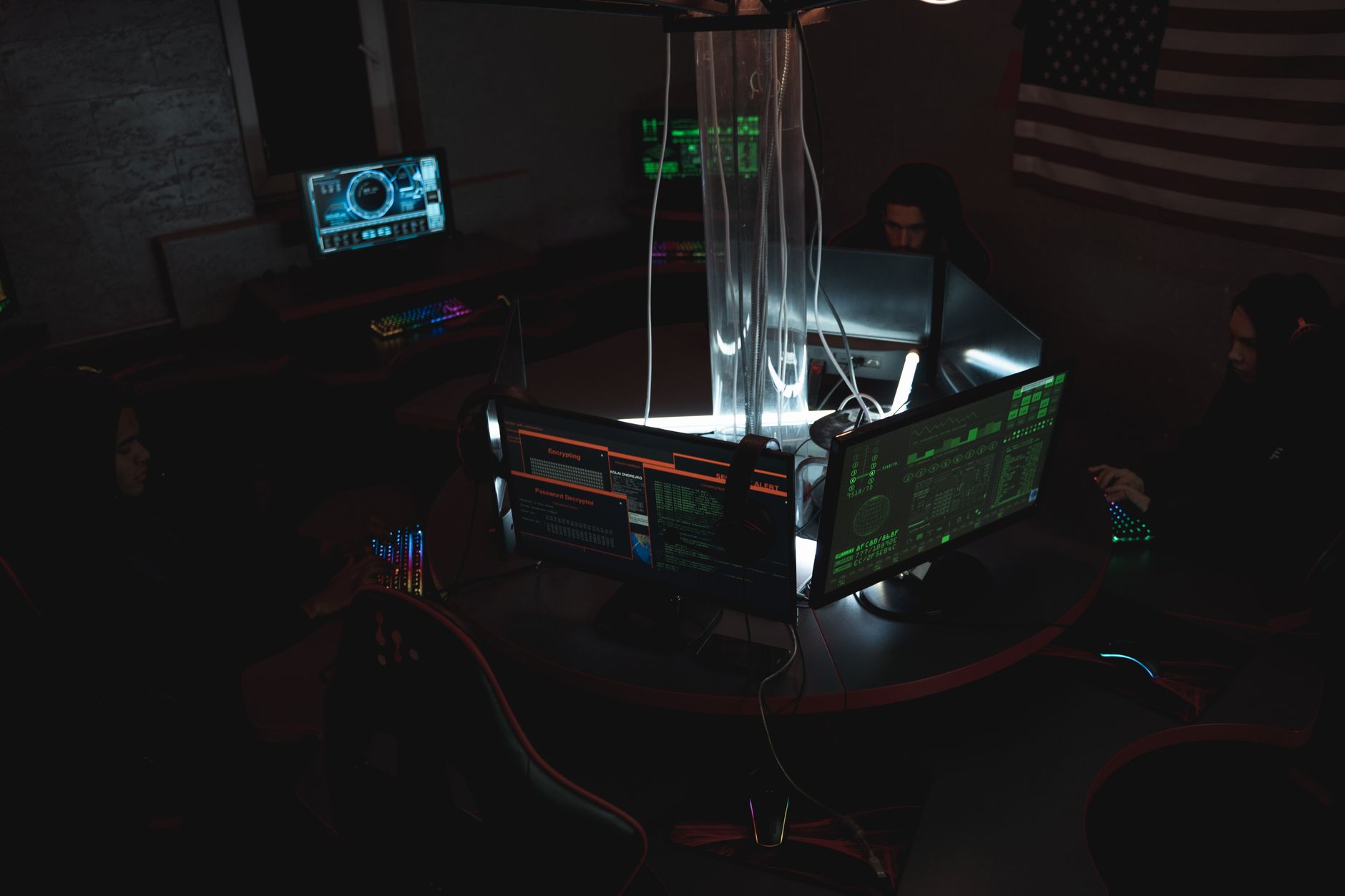
Computer trojans are malicious programs disguised as legitimate software that trick users into downloading and executing them, granting attackers unauthorized access to systems, data, and credentials. They differ fundamentally from worms and viruses because they require user interaction or social engineering to spread, rather than self-replicating automatically. In 2026, trojans represent 58% of all detected malware, making them the dominant threat across enterprise networks, personal computers, and mobile devices. The scale of trojan infections is staggering.
Security researchers detect 560,000 new malware threats daily, with 500,000 malicious files blocked or detected every single day. A real-world example is TCLBANKER, a Brazilian banking trojan discovered in May 2026 that targets 59 banking, fintech, and cryptocurrency platforms. Once installed, TCLBANKER hijacks WhatsApp and Outlook, automatically sending malicious messages to up to 3,000 of a victim’s contacts—turning compromised machines into distribution nodes for further infections. This trojan demonstrates how a single piece of malware can compromise not just one user’s finances, but entire contact networks.
Table of Contents
- What Are Computer Trojans and How Common Are They?
- Types of Trojans and Their Evolution in 2026
- How Trojans Infect Systems and Bypass Defenses
- Detection Methods and Technologies
- Identity-Based Defense Against Malware-Free Intrusions
- Zero Trust Architecture and Lateral Movement Prevention
- Regular Patching, Training, and Supply Chain Security
What Are Computer Trojans and How Common Are They?
Trojans account for the vast majority of modern malware incidents. According to 2026 data, trojans and file infections combined represent 70% of total malware detections across enterprise environments. This dominance reflects both the widespread distribution of trojan-based attacks and their effectiveness at bypassing traditional security awareness. Unlike ransomware, which represents only 14% of detected malware, trojans often operate silently in the background, collecting passwords, banking credentials, and personal data without alerting the victim.
The prevalence of trojans has grown as attackers refine their social engineering techniques. Phishing emails, malicious downloads, cracked software, and compromised websites serve as primary infection vectors. A compromised system may harbor multiple trojans from different threat actors—a banking trojan stealing credentials, an infostealer harvesting browsing data, and a backdoor providing persistent remote access. This multi-stage compromise significantly increases the difficulty of detection and remediation. Organizations that detect trojans late often discover that sensitive data has already been exfiltrated across multiple weeks or months.
Types of Trojans and Their Evolution in 2026
Trojans have evolved considerably, moving beyond simple theft toward sophisticated multi-purpose attacks. Banking trojans now possess capabilities once exclusive to ransomware: nearly 50% of banking malware families in 2026 include ransomware or financial extortion modules, allowing attackers to threaten victims with data publication or system encryption if payment demands are not met. This convergence of attack types makes banking trojans exponentially more dangerous than their predecessors. Several banking trojans remain active and dangerous in 2026. QakBot spreads through sophisticated email thread hijacking, injecting malicious replies into real conversations to trick recipients into downloading infected attachments.
By establishing itself as an initial access broker, QakBot serves ransomware-as-a-service operations that deploy encryption tools post-compromise. Grandoreiro continues targeting financial institutions across Europe and Latin America, remaining difficult to detect because it specifically targets banking portals and avoids triggering behavioral alarms on non-banking websites. Emotet, once a standalone banking trojan, has evolved into a delivery mechanism for other malware, with 2026 variants featuring enhanced evasion capabilities and modular architecture that allows attackers to customize payloads per target. A critical limitation of trojan classification is that 90% of current malware infections are polymorphic—they modify their code to evade signature-based detection after each execution. This means antivirus signatures become outdated within hours or days, forcing security teams to rely on behavioral detection rather than file fingerprints. Traditional antivirus tools that depend solely on signature matching will miss the vast majority of active trojan infections.
How Trojans Infect Systems and Bypass Defenses
Trojans exploit the gap between what software claims to do and what it actually does. A user downloads what appears to be a legitimate game, productivity tool, or security utility, but the executable contains hidden malicious code. Once launched, the trojan establishes persistence, creating scheduled tasks, registry entries, or services that restart the malware if the user restarts their computer. Many trojans then contact command-and-control servers to download additional payloads—ransomware, infostealer modules, or cryptominers—customized based on the victim’s environment.
Banking trojans employ additional sophistication. TCLBANKER monitors for banking applications and financial websites, injecting fake login screens or overlay windows when the victim attempts to access their bank. By capturing credentials at the moment of authentication, the trojan obtains valid credentials that work across legitimate banking portals, allowing account takeovers without needing to break encryption. In 2025, banking trojans on smartphones surged 56%, with the trend continuing into 2026 as attackers shifted to mobile targets—devices that often run outdated operating systems and receive fewer security updates than desktop computers. A limitation of mobile security is that the App Store review process, while better than third-party markets, does not prevent all trojans from being initially published; detection often occurs only after user reports trigger removal.
Detection Methods and Technologies
Detection of trojans requires multiple overlapping technologies because no single approach catches all variants. Email Security Gateways equipped with DMARC, DKIM, and SPF authentication address 94% of malware delivery attempts by blocking spoofed emails and malicious attachments before they reach inboxes. However, this leaves 6% of malware-based initial access unaddressed—sophisticated phishing that uses legitimate but compromised domains, or social engineering that tricks users into visiting attacker-controlled sites. Endpoint Detection and Response (EDR) systems with artificial intelligence and behavioral analytics address 76% of polymorphic malware that deliberately evades signature-based detection.
These tools monitor process execution, file system modifications, registry changes, and network connections, flagging anomalous behavior such as a Microsoft Office document launching PowerShell or a legitimate application attempting to read password vaults. Behavioral analysis is particularly effective for unknown trojans and zero-day variants because it detects malicious intent rather than malware identity. The tradeoff is operational: behavioral detection generates significantly more alerts than signature-based systems, requiring security teams to tune rules carefully to avoid alert fatigue. Many organizations struggle with this tuning, resulting in alerts being ignored or disabled—a critical mistake that leaves trojans undetected.
Identity-Based Defense Against Malware-Free Intrusions
A counterintuitive finding reshapes how organizations should approach trojan defense: 79% of intrusions in 2026 are malware-free. Instead of dropping trojans or other files, attackers compromise valid user credentials and use “living-off-the-land” tactics—legitimate Windows or Linux tools already installed on systems—to move laterally, exfiltrate data, and establish persistence. Password-stealer trojans enable this attack pattern by harvesting credentials that attackers then reuse across multiple target systems. Kaspersky reported that password-stealer detection jumped 59% in 2026, reflecting the increasing prevalence of these trojans as enablers of credential-based attacks.
To defend against this threat, organizations must implement identity security controls: multi-factor authentication (MFA), passwordless authentication where possible, credential monitoring to detect reuse, and conditional access policies that block logins from unusual locations or devices. Identity Security controls address 79% of malware-free initial access, making them as critical as antimalware tools. However, a significant limitation persists: many users disable MFA or choose weak second factors to reduce friction, and compliance tools often exempt administrators from MFA enforcement, creating high-value targets. This means identity controls are only as strong as their consistent enforcement.
Zero Trust Architecture and Lateral Movement Prevention
Zero Trust architecture limits the damage trojans can inflict even after successful initial compromise. By implementing micro-segmentation—dividing networks into isolated zones and requiring authentication for all zone transitions—organizations prevent trojans from freely moving between systems and accessing sensitive data. A trojan that compromises a user’s laptop in the marketing department cannot automatically access the finance department’s database or the engineering team’s source code repositories.
Endpoint Detection & Response tools combined with behavioral analytics are essential to prevent malware spread and data exfiltration once trojans are installed. These tools can detect when a trojan attempts to scan the network for other systems, establish remote desktop access, or dump passwords from local memory. The challenge is that advanced trojans deliberately disable or uninstall EDR agents, so security teams must implement EDR agents that cannot be disabled by administrator-level malware and maintain offline backups of EDR logs to preserve evidence if the trojan destroys local security telemetry.
Regular Patching, Training, and Supply Chain Security
Trojans often exploit unpatched vulnerabilities in operating systems and third-party applications to escalate privileges or persist across reboots. Regular patching significantly reduces attack surface, but patches must be applied within days of release—a challenging requirement for organizations managing thousands of devices. A limitation of patching is that attackers often know about vulnerabilities before patches are released or widely deployed, creating a window of exposure that trojans can exploit. Zero-day trojans that use previously unknown vulnerabilities bypass all patching strategies.
Employee training on social engineering tactics addresses the human element of trojan distribution. Users who recognize phishing indicators and understand why they should not download files from untrusted sources are significantly less likely to accidentally execute trojans. However, training effectiveness decays over time; organizations must conduct training campaigns multiple times per year to maintain awareness. Code signing solutions and continuous vendor audits for software supply chains represent an emerging defense layer. By verifying that software has not been tampered with or replaced with trojanized versions, code signing prevents distribution of trojans disguised as legitimate updates—a supply chain attack vector that affected millions of systems across multiple major software vendors in recent years.
You Might Also Like
- Remus Stealer Infostealer Threat: Why This Malware Is Actually Familiar
- File-locking malware compromised Bajaj Motors motorcycle manufacturer through ransom extortion scheme
- Avalon malware framework adds dangerous ransomware capabilities to threat landscape