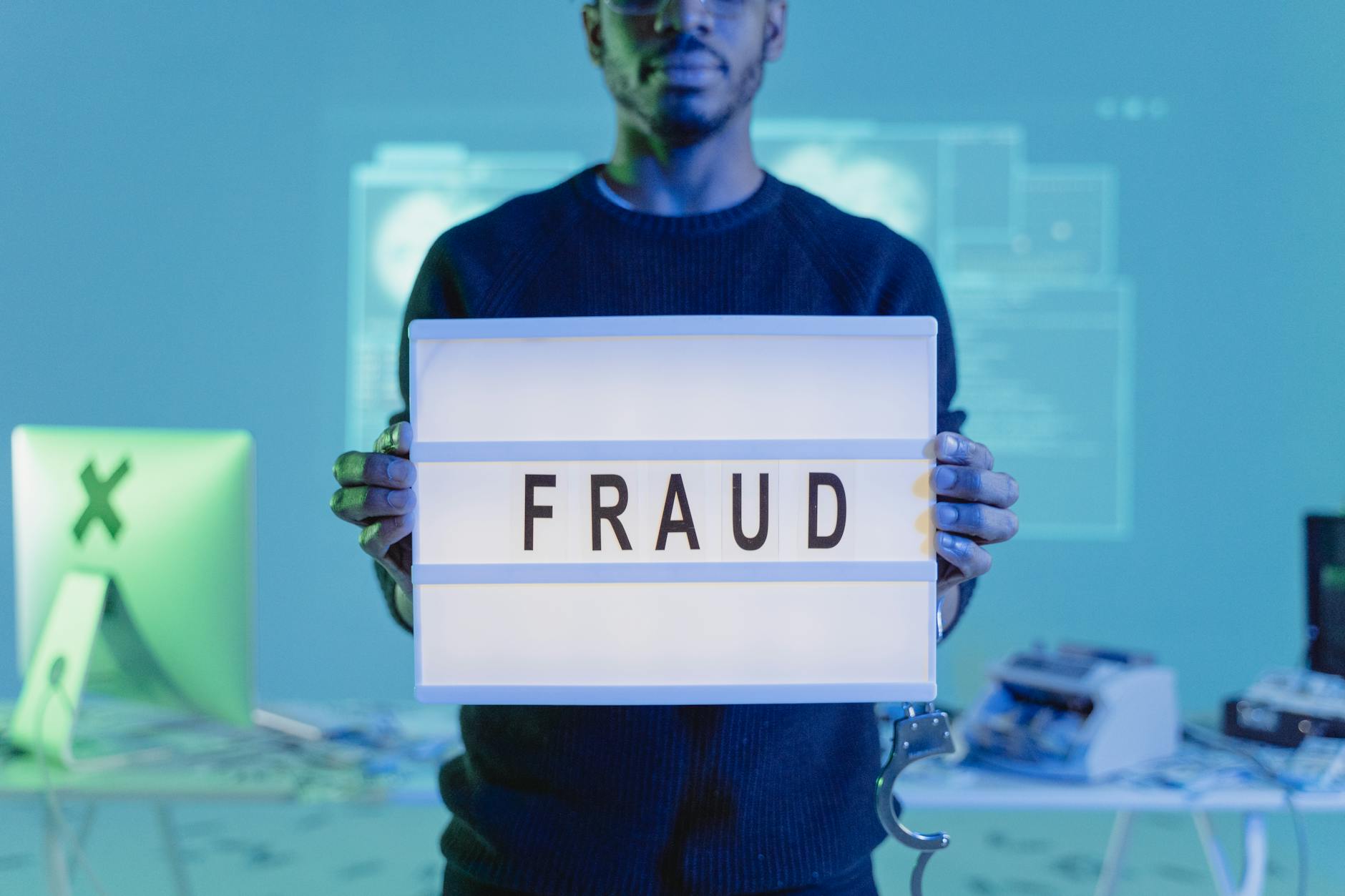
Pharmacy breaches expose a dangerous mix of personal health information, financial data, and identity details that make victims vulnerable to both medical fraud and financial crimes. When hackers compromise pharmacy systems—whether through ransomware attacks, employee negligence, or unpatched vulnerabilities—they gain access to prescription histories, full names, addresses, Social Security numbers, insurance information, and payment methods. The 2023 MOVEit breach affecting UnitedHealth Group’s pharmacy claims processor, for example, exposed millions of patients’ names, dates of birth, Social Security numbers, and medication records, demonstrating how a single vulnerability can compromise an entire network of pharmacies.
The scope of what pharmacy breaches expose depends on which systems are compromised. A breach of a retail pharmacy’s point-of-sale system might expose only recent customer names and card numbers, while a breach of a pharmacy benefits manager (PBM) or mail-order pharmacy can affect millions of patients across multiple states. Beyond the immediate data theft, pharmacy breaches create lasting consequences: stolen medical records can be used to fraudulently obtain prescriptions, leaked insurance information enables insurance fraud, and exposed identities lead to account takeovers and credit fraud.
Table of Contents
- What Types of Personal Data Are at Risk in Pharmacy Breaches?
- How Deep Does the Data Exposure Go in Pharmacy Systems?
- Medical Identity Theft and Prescription Fraud Risks
- Insurance Information Exposure and Claims Fraud
- Prescription History as a Vulnerability Vector
- Third-Party Data Brokers and Secondary Markets
- Evolving Threats and Future Pharmacy Breach Risks
What Types of Personal Data Are at Risk in Pharmacy Breaches?
Pharmacy systems store remarkably comprehensive personal profiles of each customer, making breaches particularly damaging. The core data includes full names, addresses, phone numbers, email addresses, dates of birth, and Social Security numbers—the fundamental building blocks of identity theft. Additionally, pharmacy records contain complete medication histories, including prescription names, dosages, prescribing doctors, refill dates, and sometimes even reasons for prescriptions. This medical information is valuable to criminals because it reveals health conditions, mental health treatment, controlled substance usage, and potential vulnerabilities to targeted pharmaceutical fraud. Insurance information represents another major exposure.
Pharmacy breaches frequently expose insurance policy numbers, group numbers, member IDs, and sometimes even insurance company names and contact details. Payment information is equally at risk: credit card numbers, debit card information, and banking details used for automatic prescription refills or online pharmacy purchases. The 2015 Anthem Inc. breach, which affected millions including pharmacy customers, exposed names, birthdates, Social Security numbers, street addresses, email addresses, phone numbers, employment information, and insurance policy details. This combination of medical and financial data creates a perfect storm for identity thieves, who can use the information to open fraudulent accounts, file false insurance claims, or sell the data to other criminals.

How Deep Does the Data Exposure Go in Pharmacy Systems?
The depth of pharmacy data exposure often extends far beyond what customers realize. Many pharmacy chains use centralized databases that don’t just store current customer information—they retain historical records of past prescriptions going back years, sometimes even decades. This means a single breach can expose not just your current medications but also prescriptions you filled five or ten years ago, revealing medical conditions you may have resolved or treatments you’d prefer to keep private. Pharmacy systems also frequently link to inventory management, employee databases, and supplier networks, meaning a comprehensive breach might expose information about pharmacy staff, pharmaceutical manufacturers’ shipment details, and supply chain vulnerabilities.
A critical limitation of data exposure assessment is that victims often don’t know the full extent of what was compromised until weeks or months after a breach is discovered. The 2019 Capital One breach, while not pharmacy-specific, exposed the reality that companies often take months to determine the complete scope of stolen data. In pharmacy breaches, initial reports might say “customer names and insurance information” were stolen, but subsequent investigation reveals that medication details, dosages, and prescriber names were also compromised. This delayed discovery means victims can’t take immediate protective action, putting them at risk during the gap between breach and full disclosure.
Medical Identity Theft and Prescription Fraud Risks
One of the most dangerous consequences of pharmacy breaches is medical identity theft, where criminals use stolen health information to obtain prescription medications fraudulently. Unlike credit card fraud, which victims typically notice within a month, prescription fraud can go undetected for extended periods. A thief with your name, date of birth, insurance information, and pharmacy details can call pharmacies, impersonate you, and request early refills of controlled substances like pain medications or stimulants. The 2017 Equifax breach, which exposed pharmacy and health insurance information for 147 million people, led to numerous cases of criminals using stolen identities to obtain controlled substances from multiple pharmacies.
Prescription fraud has unique dangers beyond financial loss. If a criminal fills prescriptions under your name using your insurance, those fraudulent fills appear in your medical record, potentially affecting future medical care and causing drug interactions if a doctor isn’t aware these medications were obtained fraudulently. Additionally, if the stolen identity is used to obtain controlled substances, law enforcement might investigate you as the suspected drug abuser, creating legal complications. This risk is compounded by the fact that pharmacy records are less frequently monitored by individuals than financial records—most people check their bank statements monthly but never review their pharmacy transaction history.

Insurance Information Exposure and Claims Fraud
Insurance details stolen in pharmacy breaches are particularly valuable to fraudsters because they can be monetized in multiple ways. Armed with a victim’s insurance policy number, member ID, group number, and associated personal information, criminals can file false insurance claims for expensive medications they never actually purchased. This fraud increases insurance costs for everyone and can leave victims with insurance claims they never made on their records.
The tradeoff in pharmacy security is significant: while fully encrypting all insurance information would protect patients, it would also slow down prescription processing and require pharmacies to invest heavily in infrastructure upgrades that many smaller pharmacies cannot afford. Insurance fraud through stolen pharmacy data often goes unnoticed until a victim receives an explanation of benefits for medications they didn’t take or until insurance companies deny legitimate claims because annual deductibles have been artificially inflated by fraudulent claims filed under the victim’s name. In some cases, victims discover the fraud only when their insurance premiums spike due to high usage patterns created by fraudsters. The limitation here is that victims have limited visibility into whether their insurance information is actively being misused—insurance companies aren’t obligated to notify customers of fraudulent claims in the same way banks notify customers of fraudulent charges.
Prescription History as a Vulnerability Vector
Prescription histories stolen in pharmacy breaches create vulnerability to targeted fraud that’s difficult to defend against because criminals gain detailed knowledge of a victim’s medical needs. If a breach exposes that you take diabetes medication, blood pressure medication, and cholesterol medication, criminals can use this information to commit fraud that’s highly believable to banks and insurance companies investigating claims. A thief calling a doctor’s office and claiming to be a pharmacy requesting verification of a prescription will sound legitimate when they already know your real prescription history.
The warning here is that even if you successfully dispute fraudulent charges related to stolen pharmacy data, the underlying information remains compromised indefinitely. Unlike passwords that can be changed or credit cards that can be reissued, your medication history cannot be changed or made confidential retroactively. This permanent exposure is particularly concerning because pharmaceutical information can reveal mental health treatment, fertility issues, addiction recovery programs, and other deeply personal health matters that someone might have kept completely private. There’s no way to “opt out” of having your prescription history exposed once a breach occurs.

Third-Party Data Brokers and Secondary Markets
A often-overlooked aspect of pharmacy breaches is that stolen data frequently ends up for sale on dark web marketplaces, where it’s resold to multiple criminals and data brokers. Pharmacy records are valuable commodities precisely because they combine medical, financial, and personal information—data analysts estimate that a complete pharmacy customer record can sell for $50 to $500 on criminal forums, depending on the richness of data and the size of the victim’s financial accounts. The 2020 Shields Health Care breach exposed 1.3 million pharmacy customers’ records, which were subsequently found being sold on underground marketplaces weeks after the initial breach was disclosed.
Once data enters the secondary market, it’s nearly impossible to track or control. The same stolen pharmacy record might be sold multiple times to different criminal organizations, each of which will attempt different fraud schemes against the victim. This multiplication effect means that the damage from a pharmacy breach isn’t limited to a single fraud attempt—victims are typically targeted repeatedly over months or years as different criminal groups exploit the same stolen information.
Evolving Threats and Future Pharmacy Breach Risks
Pharmacy breaches are becoming more sophisticated and costly as healthcare systems increasingly digitize. The rise of healthcare consolidation means that breaches now affect larger swaths of the population—when a single pharmacy benefits manager or mail-order pharmacy is compromised, millions of customers from hundreds of different pharmacies are affected simultaneously.
The 2021 MedeAnalytics breach, which affected multiple hospital systems and pharmacies, exposed nearly 1 million patients’ records, illustrating how interconnected pharmacy systems have become and how difficult it is for healthcare organizations to isolate vulnerable systems. Looking forward, the integration of pharmacy data with genomic information, artificial intelligence-driven medication recommendations, and connected health devices means that future pharmacy breaches could expose even more sensitive health information than they do today. The industry is also seeing increased targeting by ransomware gangs who encrypt pharmacy systems and demand payment, then threaten to sell the stolen data if demands aren’t met—a double-extortion model that means data breach consequences will only increase in severity.
You Might Also Like
- What Information Do Hospital Breaches Typically Expose
- What Information Do Clinic Breaches Typically Expose
- What Information Do Insurance Breaches Typically Expose