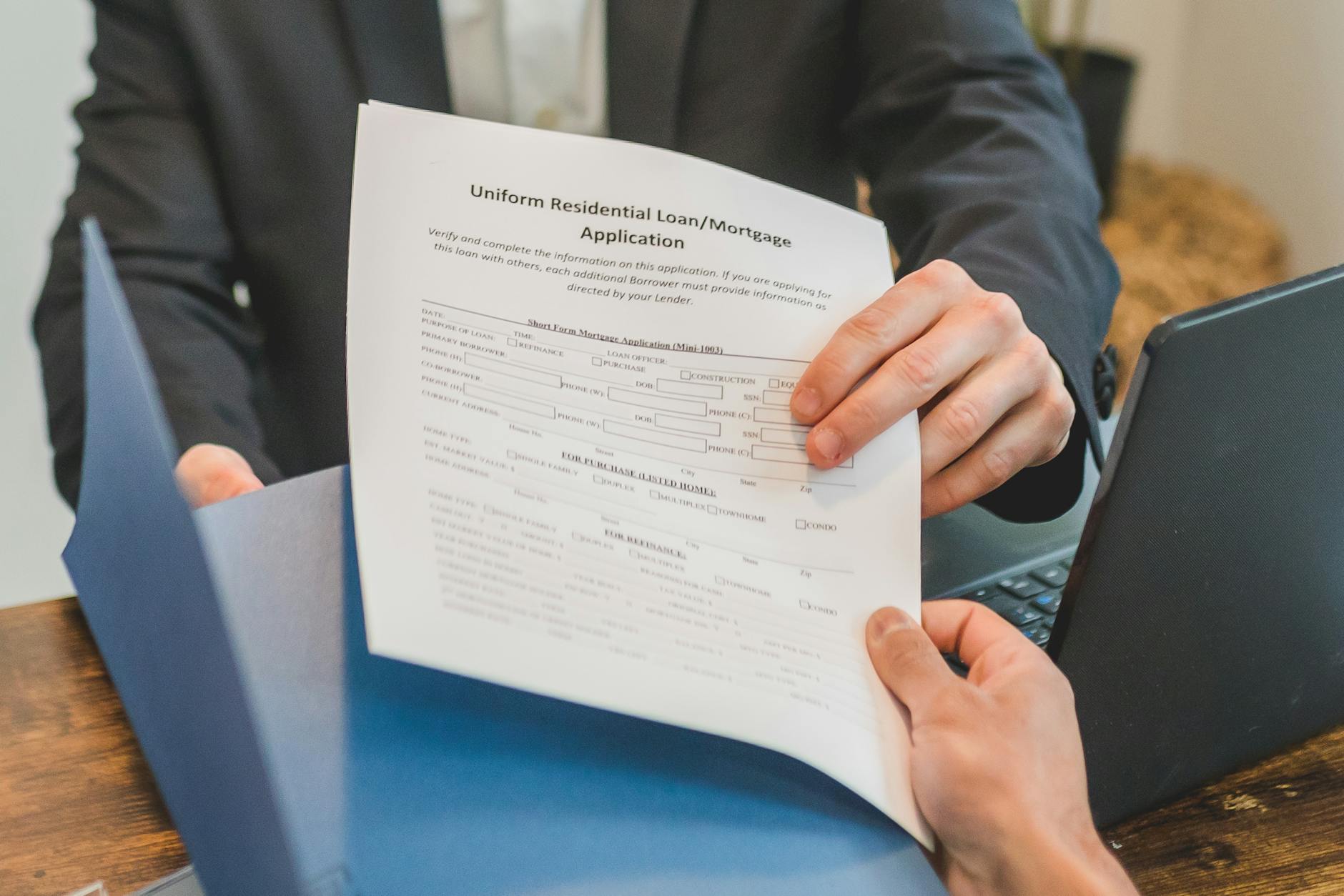
If someone has taken out a loan against your home without your permission, you need to act immediately. This is not a paperwork problem you can resolve slowly—fraudulent loans against your property create immediate legal and financial jeopardy that compounds daily. The first step is obtaining a full title report to confirm exactly what liens or mortgages have been placed against your home, then freezing your credit with all three major bureaus (Experian, Equifax, TransUnion) to prevent the fraudster from opening additional accounts in your name. The scale of this problem is larger than most homeowners realize. Real estate wire fraud losses reached $275 million in 2025, up 58% from $174 million in 2024.
Business email compromise—the primary driver of real estate transaction fraud—accounted for over $3 billion in wire fraud losses in 2025. In Q1 2026, 43.72% of mortgage transactions were flagged for fraud-related issues. That means unauthorized loans against homes are not rare isolated incidents; they’re part of a widespread fraud ecosystem targeting homeowners’ equity. One concrete warning sign appears weeks before the fraud completes: if your property suddenly shows up on real estate listing platforms, that’s typically the first detectable alarm. These unauthorized listings usually appear 4-8 weeks before fraudsters file official documents at the county recording office. By the time you receive a notice about a foreclosure or lien, the fraud may already be months old.
Table of Contents
- How Fraudsters Take Loans Against Your Home Without Your Knowledge
- Why Title Theft Happens and How to Detect It Before Damage Occurs
- The Connection Between Data Breaches and Home Loan Fraud
- Immediate Action Steps to Take If You Discover an Unauthorized Loan
- Complications You May Encounter and Why Legal Help Matters
- Protecting Your Home After Fraudulent Activity Is Resolved
- The Growing Trend and Why Occupancy Fraud Connects to Loan Fraud
How Fraudsters Take Loans Against Your Home Without Your Knowledge
Fraudsters typically use one of two methods: they either forge your identity documents and signatures at a lender, or they gain access to your property deed through title databases and use that as proof of ownership. The most common vector is business email compromise, where hackers access email accounts of title agents, real estate attorneys, or loan officers—then pose as you to request a new mortgage or home equity line of credit. The fraud doesn’t require sophisticated hacking. Many lenders still rely heavily on document verification by email, and if a fraudster has compromised a real estate professional’s email account, they can request loan documents, sign them on your behalf, and have funds wired to accounts they control.
In some cases, fraudsters simply file false documents at your county recording office claiming ownership of your property, then take out loans based on the fraudulent deed. The lender may never contact you because they believe all paperwork is legitimate. The FBI reported 9,359 real estate fraud complaints in 2024 alone, resulting in $173.6 million in losses. What makes this particularly insidious is that the fraud can proceed to completion—money can be disbursed, documents can be recorded at the county level—before you even know it happened. By the time you discover the fraudulent loan, the fraudster is often already gone and the lender has already funded the transaction.

Why Title Theft Happens and How to Detect It Before Damage Occurs
Title theft is attractive to criminals because your home is one of your most valuable and most documented assets. property records are public, making it relatively easy to research the value of homes. A fraudster doesn’t need your login credentials or even sophisticated technical skills—they just need enough public information to convince a lender that they are you, and enough documentation to make the fraudulent mortgage look legitimate. The earliest and most reliable warning sign is finding your property listed on real estate websites. Check MLS listings, Zillow, Redfin, and other platforms monthly.
If you haven’t listed your home but it appears on these sites, notify the platform immediately and contact your local real estate board. This precedes county recording by weeks, giving you a crucial window to stop the fraud before documents are officially filed. Other warning signs include unauthorized mortgages, home equity lines of credit, or suspicious credit inquiries appearing on your credit report—pull your credit reports from all three bureaus annually through annualcreditreport.com, the only free federally authorized service. One important limitation: even if you spot fraudulent activity before the lender funds the loan, the fraudster may have already initiated the application. Freezing your credit immediately prevents new accounts from being opened in your name, but it won’t remove fraudulent accounts that were already opened. You’ll need to dispute those separately with credit bureaus and the original lender.
The Connection Between Data Breaches and Home Loan Fraud
Fraudsters often acquire the personal information they need to target you through data breaches. If your name, address, Social Security number, and driver’s license information appear in a breach, criminals can use that information to apply for loans in your name at multiple lenders simultaneously. This is why a data breach notification matters for homeowners—it’s not just abstract identity theft risk, it’s a concrete pathway to someone accessing your home’s equity. Applications for 2-4 unit homes have shown a particularly high fraud rate of 3.5% (approximately 1 in 27 applications).
Smaller residential properties are attractive targets because they’re easier to research, the mortgages are still substantial, and there’s less institutional scrutiny than on large commercial transactions. If you own a rental property or duplex, the risk is elevated—and if your information was exposed in a breach, monitor those properties more carefully for fraudulent activity. The connection between breaches and home loan fraud also means that timeline matters. A breach of your personal information today might not result in a fraudulent loan application for weeks or months. Fraudsters often wait before using stolen credentials, hoping the victim won’t connect a loan application to a previous data breach they may have forgotten about.

Immediate Action Steps to Take If You Discover an Unauthorized Loan
First, obtain a complete title report for your property immediately. This document shows all liens, mortgages, claims, and ownership information on file at your county. It costs between $50-$200 and can be ordered from title companies, attorneys, or county recording offices. If you have title insurance, contact your title insurance company directly—they have financial incentive to stop fraudulent liens and can guide you through the dispute process. Second, file a police report for identity theft and get a written copy of the report number. This police report is your primary evidence when disputing with lenders and credit bureaus.
Simultaneously, file a complaint with the Federal Trade Commission at identitytheft.gov—the FTC complaint also generates a report number that institutions will recognize. These two documents (police report and FTC complaint) form the foundation of your dispute with the lender and credit bureaus. Third, contact your county recording office to initiate a dispute against the fraudulent lien. Many counties have formal processes for challenging recorded documents. You may need to file a “quiet title” lawsuit—a legal action asking the court to clear your property’s title by declaring the fraudulent documents void. This step requires consulting a real estate attorney in your state, as quiet title procedures vary. Some states allow you to file a notice of dispute directly with the recording office; others require immediate litigation.
Complications You May Encounter and Why Legal Help Matters
One major complication is that by the time you discover the fraud, the fraudster may have already transferred the loan to another entity. If the original lender has sold the mortgage to an investor or loan servicer, you’ll need to dispute the debt with that new entity as well. This creates multiple fronts: you’re disputing with credit bureaus, the original lender, the current loan servicer, and potentially county officials simultaneously. Another complication is that some lenders may have already begun foreclosure proceedings before you discover the fraud. If the fraudster defaulted on the loan they took out, your property could be heading toward foreclosure in your name—through no action of your own.
In this scenario, you must contact the foreclosing lender immediately and provide your police report and FTC complaint as evidence that you did not take out the loan. Do not ignore foreclosure notices; responding to them is critical. Many foreclosure defenses fail because homeowners assume the lender will eventually realize the fraud and stop, which almost never happens without your active intervention. A limitation you should understand: even after you successfully clear the fraudulent lien from your property title, the dispute with credit bureaus may take 30-90 days per item. During that period, the fraudulent loan may still appear on your credit report, potentially affecting your ability to refinance legitimate mortgages or obtain other credit. This means victims of home title theft sometimes face temporary damage to their credit scores even after they’ve proven they didn’t take out the fraudulent loan.

Protecting Your Home After Fraudulent Activity Is Resolved
Once you’ve cleared the fraudulent lien, add monitoring to your property title. Services like AmeriSave’s home title monitoring alert you if new liens, mortgages, or deeds of trust are recorded against your property. These services cost $50-$200 annually but provide early warning of future fraud attempts. For a data-breach victim, title monitoring is worth the investment as a layer of protection.
If you don’t have title insurance, consider purchasing it if possible. Title insurance protects you against claims to your property and covers legal costs to defend your ownership. If you already have title insurance, the insurer will typically cover the cost of defending against the fraudulent lien, which can be substantial. Title insurance is usually issued when you purchase a property, but you can sometimes purchase it retroactively if your home is targeted by fraud.
The Growing Trend and Why Occupancy Fraud Connects to Loan Fraud
Occupancy misrepresentation fraud—where fraudsters claim investment properties as primary residences to obtain better loan terms—has tripled since 2020. This trend suggests that real estate fraud is becoming more sophisticated and more common. Cybersecurity experts expect home title theft to increase as homeowners’ data continues to be exposed through breaches of banks, title companies, real estate platforms, and government agencies.
The Q1 2025 fraud risk index showed a 7.3% increase year-over-year in mortgage application fraud according to industry data. This upward trend indicates that if you are a homeowner whose information was exposed in a data breach, your risk of becoming a victim is higher than it was two years ago. Proactive monitoring—both of your credit report and your property’s title—is no longer optional for high-risk households.
You Might Also Like
- How to Protect Your Financial Advisor Records
- What to Do If Someone Files Taxes in Your Name
- How to Check If Your Home Title Was Stolen