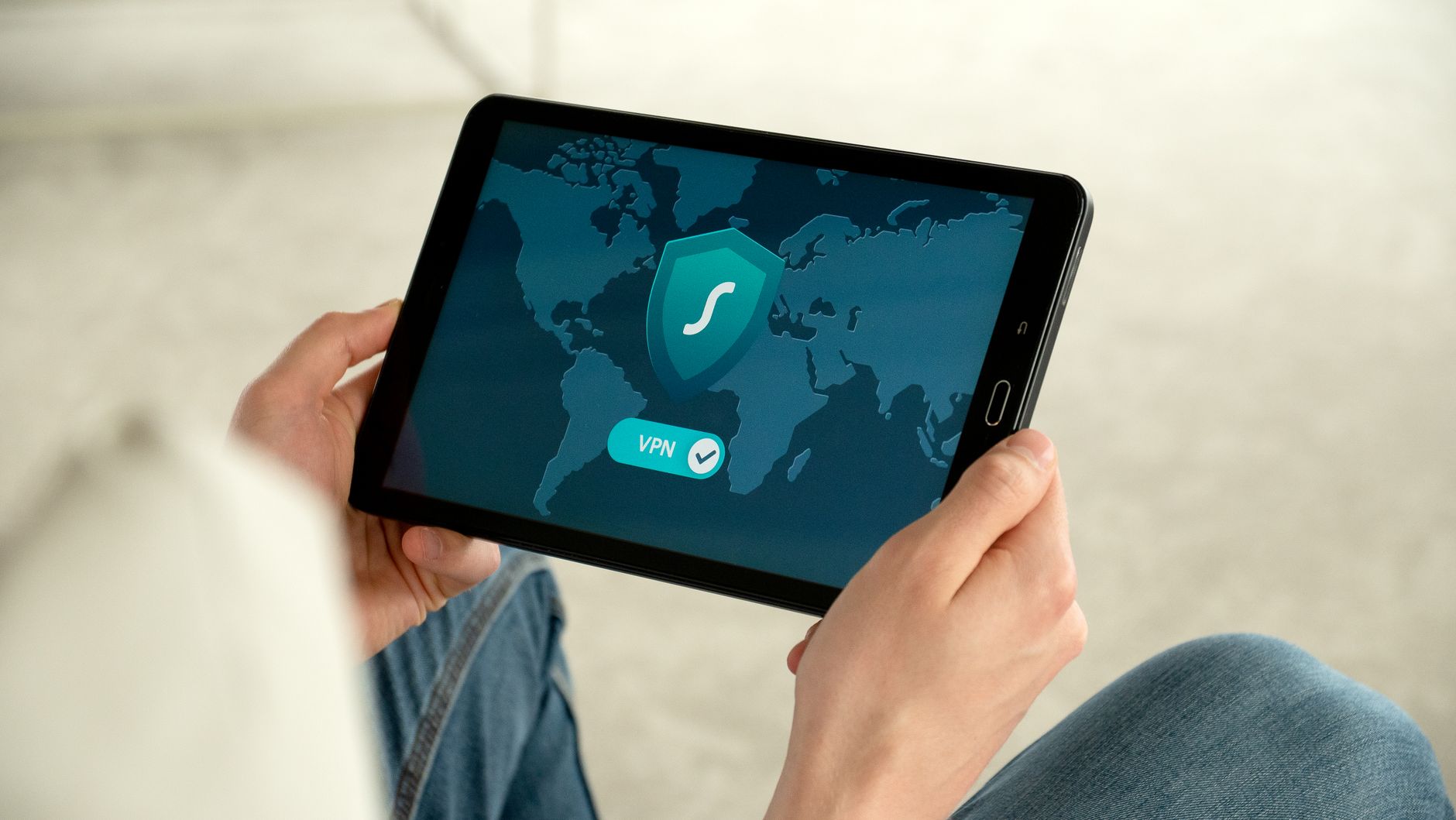
Digital ID checks matter after a financial-sector incident because stolen personal data fuels account takeover. Re-verifying identity blocks criminals from using that data to open or seize accounts.
A digital ID check, also called identity proofing, confirms a person is who they claim to be before granting access. That step matters because breach data does not stay unused. Attackers reuse it for convincing scams and fake accounts, raising the risk for every customer.
Table of Contents
- What do attackers do with stolen financial data?
- What does a real identity check do?
- Can you use a mobile license for bank verification?
- Where do one-time checks fall short?
What do attackers do with stolen financial data?
According to CISA, stolen names, Social Security numbers and addresses are reused to craft credible phishing messages that trick victims into revealing more data, as described in the CISA alert on Equifax-related phishing scams. Those messages look familiar because they use real details from the breach.
According to LexisNexis Risk Solutions, synthetic-identity fraud now accounts for 11% of global fraud after an eightfold yearly increase. Attackers combine stolen breach data with fabricated details to build new identities for mobile banking fraud.
What does a real identity check do?
According to NIST, identity proofing means resolving a claimed identity, validating the evidence as authentic, and verifying it belongs to the live applicant, as defined in the NIST identity proofing guidelines. Each part serves a separate purpose.
Resolution sorts out whose identity is claimed. Validation checks the license or credential is real. Verification confirms the live person in front of the bank owns it.
Can you use a mobile license for bank verification?
Yes. According to FinCEN, banks may accept unexpired government-issued verifiable digital credentials, including mobile driver's licenses, for Customer Identification Program checks under joint guidance issued Sept. 8, 2026, summarized in the Digital Chamber report on FinCEN digital identity guidance.
The guidance involved the Federal Reserve, FDIC, NCUA and OCC. That option helps after an incident when physical cards may be lost or suspect. Practical steps after a notice include:.
- Ask the bank how to re-verify identity before restoring access
- Offer an unexpired mobile driver's license when asked for identification
- Use the FTC's IdentityTheft.gov report and personal recovery plan for creditor disputes
Where do one-time checks fall short?
According to PYMNTS Intelligence, one-time document checks cannot alone stop AI voice or video impersonation or repeat use of a synthetic identity, as reported in the PYMNTS analysis of AI-driven identity fraud. A matching document at account opening does not prove the next caller is the same person.
Stronger programs add biometric binding, audit trails and ongoing authentication. Keep an unexpired digital credential ready, and expect repeat checks for risky changes like password resets and wire transfers.
You Might Also Like
- Will Banks Compensate Customers After a Financial Data Breach?
- ARTEX AI Pentesting Tool Linked to Financial Sector Data Breach
- What Should You Do After Unauthorized Access to Your Bank Account?