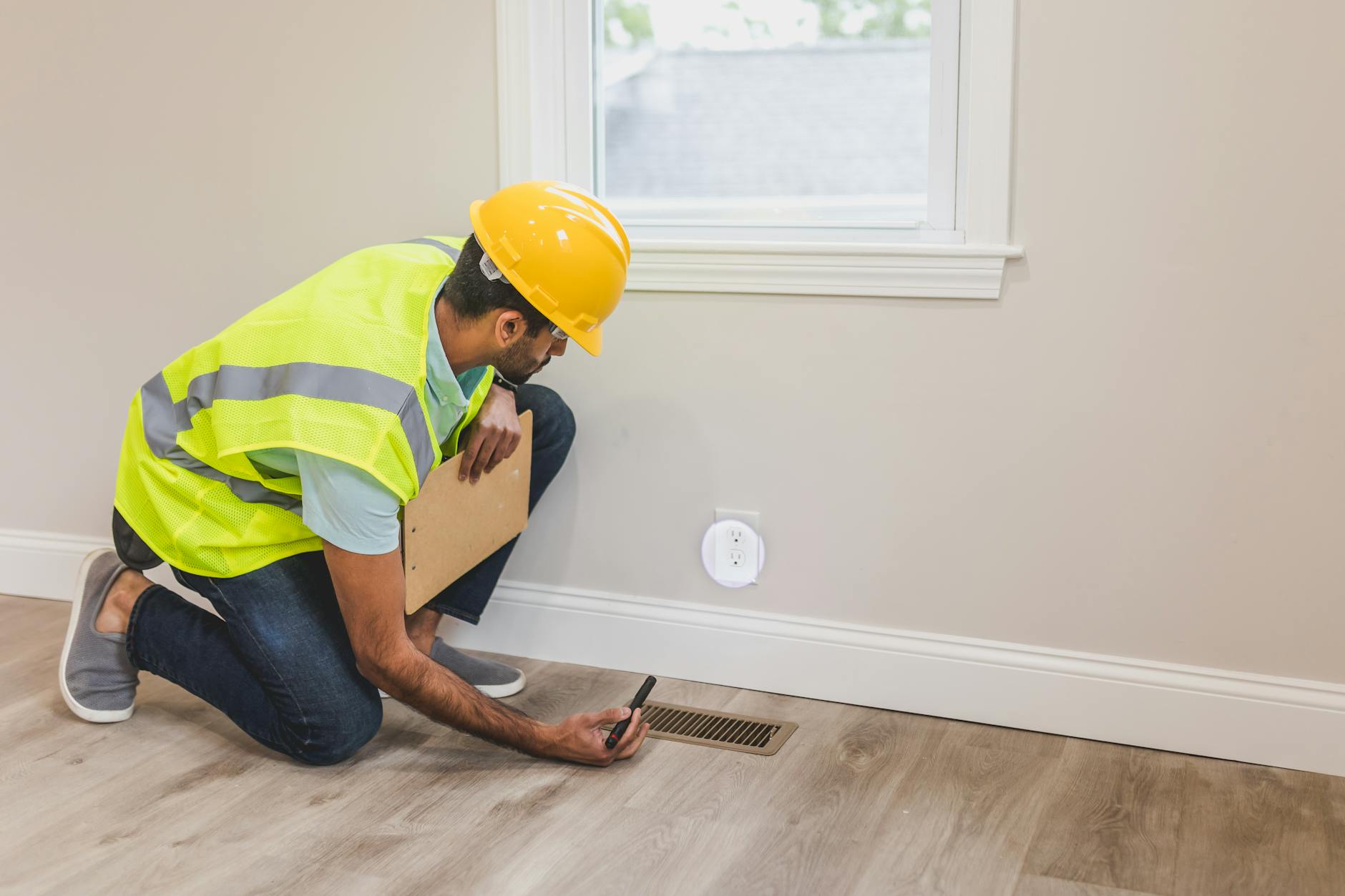
Protecting your HVAC service records requires a multi-layered approach that combines secure document storage, vendor vetting, and ongoing monitoring of who has access to your information. These records contain sensitive data including your home address, service dates, equipment details, and payment information—details that can be exploited by identity thieves or used to target your property when you’re away during service appointments. For example, a homeowner who kept years of HVAC invoices in an unsecured email folder had her identity compromised when a contractor’s email was breached, exposing her full name, address, and credit card information stored in the service records. The challenge is that HVAC service records often exist across multiple locations: your contractor’s files, your own digital storage, email accounts, and sometimes third-party service platforms.
Each of these touchpoints represents a potential vulnerability. Unlike medical or financial records, HVAC service data is rarely encrypted or subject to strict privacy regulations, meaning the responsibility falls almost entirely on you to ensure it’s handled securely. Most homeowners treat HVAC records as routine paperwork and don’t think about the security implications until a breach occurs. By implementing basic security practices now, you can significantly reduce your exposure to identity theft, physical security risks, and unauthorized access to your home systems.
Table of Contents
- Where Are Your HVAC Service Records Stored and Who Can Access Them?
- Digital Storage Risks and the Hidden Dangers of Cloud-Based Records
- Vetting Your HVAC Contractor’s Security Practices
- Best Practices for Storing and Organizing Your Own HVAC Records
- When Contractors Request Access to Your Records and Digital Security Threats
- What to Do If Your HVAC Records Are Compromised
- The Future of HVAC Data Security and Emerging Protection Standards
Where Are Your HVAC Service Records Stored and Who Can Access Them?
Your HVAC records likely exist in more places than you realize. Contractors often maintain digital and paper files in their offices; you probably have copies in email, your filing cabinet, or on your computer; many HVAC companies now use scheduling platforms or cloud-based management systems that store data on third-party servers. Each location has different security standards and vulnerabilities. A contractor using a free email account to store customer files operates with minimal security, while one using enterprise-grade software with encryption offers better protection—but you typically don’t know which approach your contractor uses unless you ask.
The people who can access your records are another blind spot. Obviously your contractor and their staff can access them, but so can their accountants, anyone with admin access to their email or file systems, employees who leave and retain copies, and sometimes even hackers who breach the contractor’s systems. When you authorize a contractor to service your unit, you’re implicitly trusting not just that individual but their entire business’s security practices. One contractor who switched to a new software system accidentally left their entire client database exposed on an unsecured server for three months before IT staff discovered it—dozens of homeowners’ records were potentially compromised during that window.
Digital Storage Risks and the Hidden Dangers of Cloud-Based Records
Storing HVAC records digitally offers convenience but creates security exposure if not done carefully. Cloud storage services like Google Drive, Dropbox, and OneDrive offer encryption in transit and at rest, but they also require you to trust a third party with your data and rely on their security practices—which have been successfully breached before. If your cloud account is compromised through a weak password or phishing attack, everything in it becomes accessible to hackers. A significant limitation of cloud storage is that you lose some control over your data. Even with privacy settings enabled, cloud companies retain rights to scan your files for policy violations, and law enforcement can request data with a warrant.
Additionally, if you share records with a contractor or family member via cloud links, those links can be forwarded, screenshot, or accessed by unintended recipients. A homeowner who shared HVAC documentation with a contractor via a Google Drive link later found that link circulated on a dark web marketplace after the contractor’s email was compromised. Local storage on your computer provides better privacy but requires you to maintain backups and protect against device theft or malware. A laptop stolen from a car can expose years of service records if they’re stored unencrypted. This is why security experts recommend using password-protected or encrypted storage methods—either encrypted folders on your computer or external hard drives stored in a safe location.
Vetting Your HVAC Contractor’s Security Practices
Before hiring a contractor, you should ask about their data security practices—though few homeowners do. Legitimate contractors should be able to explain how they store customer information, whether they use encrypted systems, who has access to files, and what happens to your data if they go out of business. Vague answers like “we keep everything secure” or refusing to discuss security practices are red flags. Ask whether they use dedicated service management software (which typically has better security than free tools), whether staff sign confidentiality agreements, and what their data retention policy is.
check whether the contractor has business liability insurance and cybersecurity insurance, both of which indicate they’ve thought about protecting customer data. Review their privacy policy if they have one—small contractors often don’t, which means they have no formal commitment to protecting your information. Compare contractors by asking these security questions directly; a company that takes data security seriously will welcome the conversation, while one that dismisses the concern might not be worth hiring. For example, one HVAC company’s willingness to discuss their encrypted scheduling platform and staff training requirements was a key differentiator for a homeowner choosing between two equally competent contractors.
Best Practices for Storing and Organizing Your Own HVAC Records
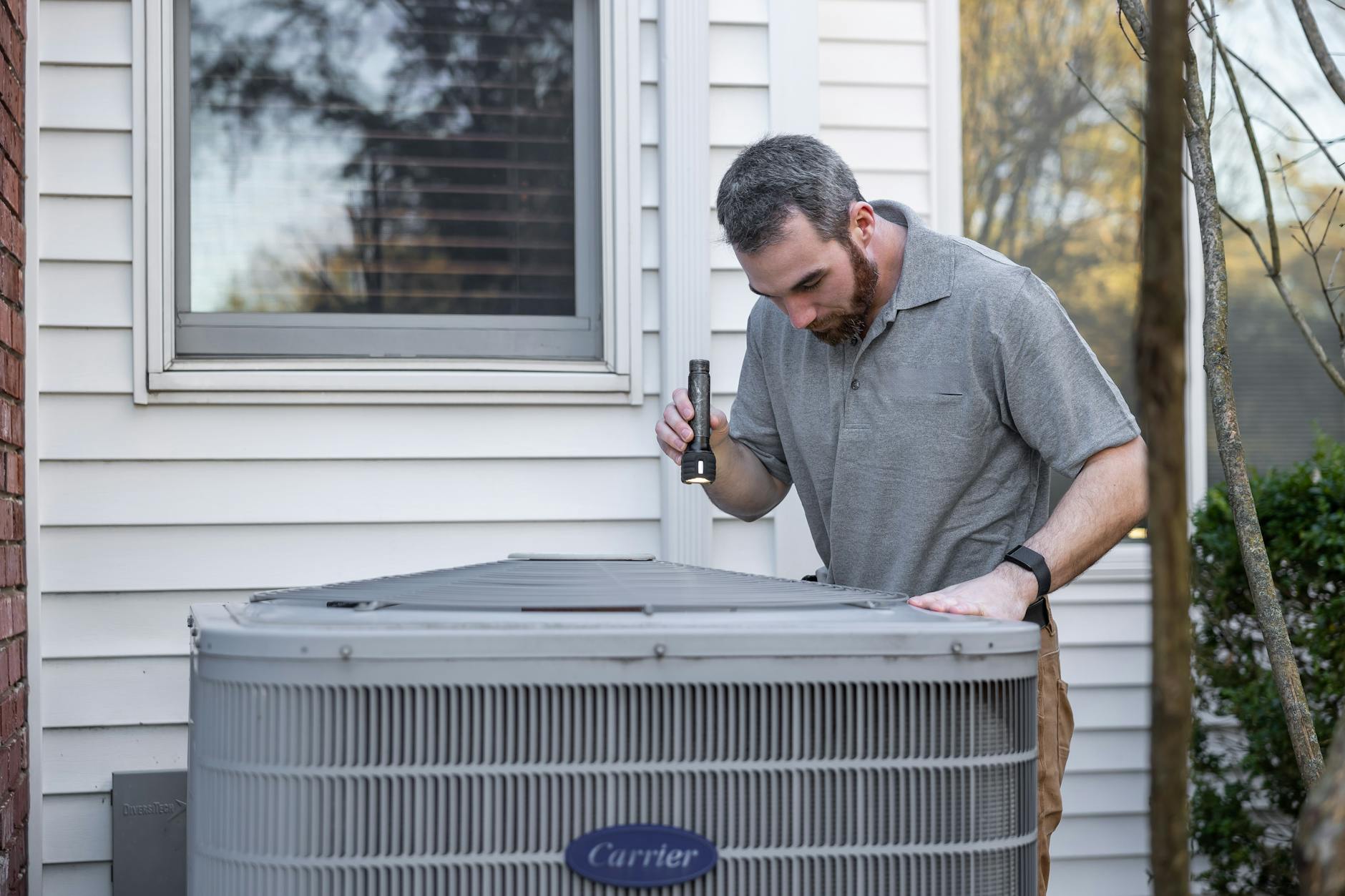
Start by deciding what HVAC records are actually worth keeping long-term. You need service dates, work performed, parts replaced, and warranty information for your equipment—this helps track maintenance history and proves you followed manufacturer recommendations. You don’t necessarily need to keep every invoice forever; typically five to seven years is sufficient for warranty claims and insurance purposes. Older records can be securely destroyed rather than stored indefinitely, reducing your overall exposure. Create a dedicated folder for HVAC records, separate from general documents, and protect it with encryption.
On Mac, you can use an encrypted sparse bundle; on Windows, use BitLocker or a third-party tool like VeraCrypt. If you prefer cloud storage, use end-to-end encrypted services like Sync.com or Tresorit, which encrypt data before it leaves your device. Password-protect the folder with a strong password (at least 16 characters, mixing uppercase, lowercase, numbers, and symbols) that you store in a password manager. The tradeoff is that encryption makes files less accessible—you need the password every time you access them—but this inconvenience is worth the security gain. A homeowner who stored unencrypted HVAC records in a cloud folder alongside work files had her entire folder compromised when a phishing email captured her password; encrypted storage would have prevented this.
When Contractors Request Access to Your Records and Digital Security Threats
Contractors sometimes request access to your previous service records—which makes sense for warranty claims, understanding your system’s history, or identifying patterns in recurring problems. However, sharing records electronically creates risk. Rather than sending records via email (which travels unencrypted across the internet), ask whether the contractor can secure the information you need verbally or in-person. If digital sharing is necessary, use a secure file transfer service with password protection and expiration dates, rather than leaving files accessible indefinitely in email or cloud links. Be especially cautious about contractors requesting remote access to your computer or network to look up records or service information.
Even reputable contractors sometimes inadvertently compromise security when accessing systems. Request that they work only with information you explicitly provide, and require them to confirm what data they accessed. A warning here: contractors’ devices might also be compromised, so if they access your files from an infected laptop, malware could be introduced to your systems or your files could be copied by unauthorized parties. If you use smart home devices or connected thermostats that store HVAC usage data, those represent another security layer entirely. Ensure your WiFi network is password-protected with a strong, unique password, and keep your thermostat’s firmware updated. Some smart thermostat systems have experienced breaches that exposed homeowner location data and usage patterns—information that can indicate when homes are empty.

What to Do If Your HVAC Records Are Compromised
If you discover that your HVAC records have been exposed—whether through a contractor’s breach, a phishing attack, or theft—take immediate action. First, contact your contractor and ask for details about what was exposed and when the breach was discovered. Request that they provide credit monitoring if the breach included payment information. Monitor your credit reports through the three major bureaus (Equifax, Experian, TransUnion) for fraudulent accounts or suspicious activity.
If payment information was exposed, contact your credit card company to request a new card. For identity theft protection, consider placing a fraud alert on your credit file for 90 days, which alerts creditors to verify your identity before opening accounts. If you suspect identity theft is occurring, place a credit freeze on your accounts with all three bureaus—this is more restrictive than a fraud alert but prevents new accounts from being opened without your consent. Document everything about the breach, including when you discovered it, what information was exposed, and what steps you took to respond. Keep this documentation in case you need to dispute fraudulent charges or file an identity theft report.
The Future of HVAC Data Security and Emerging Protection Standards
As smart home technology becomes more prevalent, HVAC data security will likely become more standardized. Some industry organizations are beginning to establish best practices for contractor data handling, and a few states have enacted laws requiring contractors to notify customers of breaches. However, these standards are still developing, which means the industry remains largely unregulated compared to healthcare or finance.
Expect to see more contractors adopting encrypted systems and security certifications in the coming years as data breaches become more costly and regulations tighten. Your role in protecting yourself is to stay informed about emerging threats and adjust your practices accordingly. Regularly update passwords, keep devices patched with security updates, and don’t assume that a contractor’s system is secure just because they’ve been in business for years. As data breaches increase in frequency and sophistication, proactive protection of HVAC records—which seem routine but contain sensitive personal information—will become an essential part of overall identity theft prevention.
You Might Also Like
- How to Protect Your Tenant Screening Information
- How to Protect Your Property Deed Information
- How to Protect Your Lawsuit Settlement Information