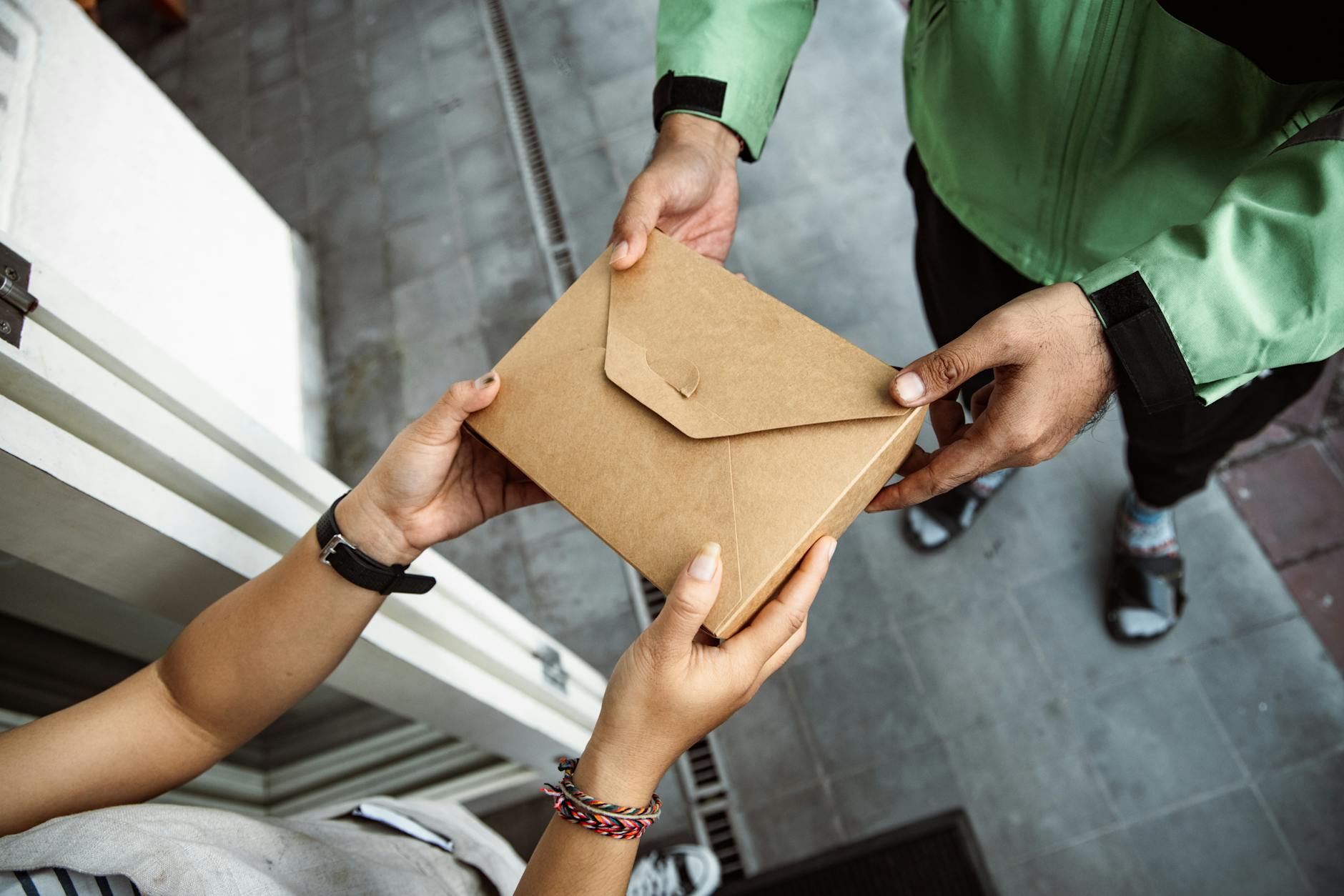
The best privacy-focused food delivery apps include Juno, Blitzfood, and standard restaurant phone ordering, with Juno standing out for its end-to-end encryption and no account requirement options. Most mainstream delivery apps—DoorDash, Uber Eats, and Grubhub—collect extensive data on your location, order history, payment methods, and browsing behavior, then use or sell this information to third parties, advertisers, and data brokers. For users concerned about their digital footprint, the differences between these services are substantial and measurable. The core issue is that convenience has become the primary business model for food delivery.
Apps collect location data continuously, sometimes even when you’re not actively ordering. DoorDash’s privacy policy explicitly states it tracks your precise location to “optimize deliveries,” but it also uses this information for marketing and analytics. A 2024 breach affecting over 4.7 million Uber Eats users exposed delivery addresses, phone numbers, and email addresses, demonstrating that even encrypted data in transit is only part of the solution. Privacy-focused alternatives limit data collection at the source, which reduces the exposure window entirely.
Table of Contents
- Which Food Delivery Apps Actually Protect Your Privacy?
- How These Apps Handle Your Data Differently Than Competitors
- Real-World Examples of Privacy Breaches in Food Delivery
- How to Minimize Your Food Delivery Footprint Today
- The Privacy Risks Most Users Don’t Consider
- Additional Privacy Considerations for Food Delivery
- The Future of Privacy in Food Delivery
- Frequently Asked Questions
Which Food Delivery Apps Actually Protect Your Privacy?
Juno is currently the strongest privacy-focused option in the food delivery space. The app allows users to place orders without creating an account, uses end-to-end encryption for message communication between customer and driver, and explicitly does not sell user data to third parties. Payments can be made in cash on delivery in some regions, eliminating the need to share credit card information with the platform. This model is rare in modern software because it generates less data to monetize, which is precisely why it’s privacy-protective.
Blitzfood, smaller and regional but growing, takes a similar approach by minimizing data collection and offering anonymous ordering options. Standard restaurant phone ordering represents the most extreme privacy option: you call the restaurant directly, pay cash, and provide only your address and phone number to a single entity rather than a corporate platform. The tradeoff is convenience—there’s no app-based tracking of delivery status, no ratings system, and no payment integration. You can combine this with local search engines like DuckDuckGo to find restaurants near you without Google or Apple logging your food preferences.
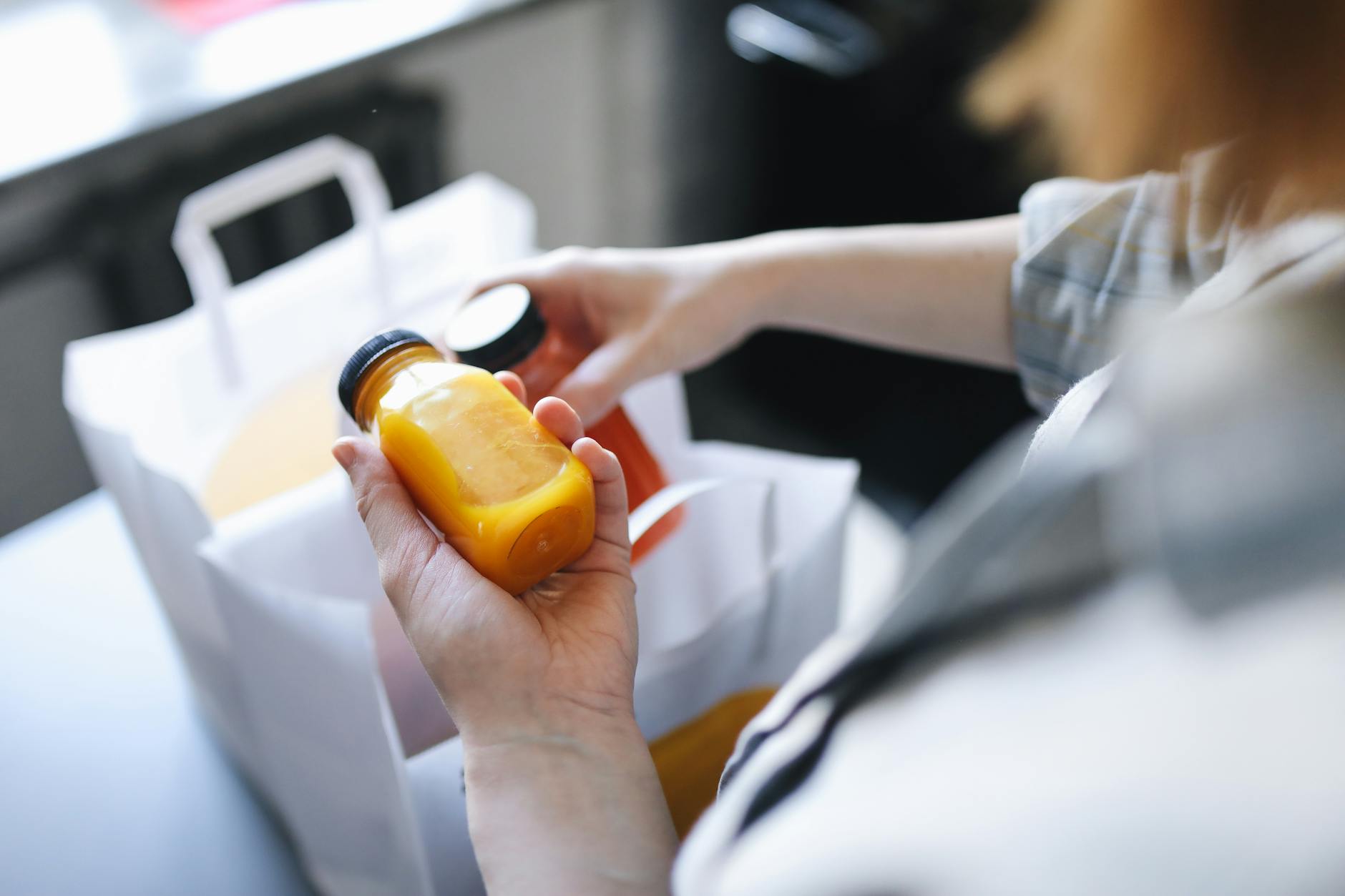
How These Apps Handle Your Data Differently Than Competitors
The difference between privacy-focused and mainstream apps comes down to architectural choices made at the company level. Grubhub’s privacy policy mentions sharing information with “service providers, business partners, and affiliates” for purposes including “marketing.” This is standard language in the industry but creates multiple vectors for your data to spread. A single order on Grubhub touches your location data (to your phone), Grubhub’s servers, the restaurant’s systems, payment processors, fraud detection vendors, and analytics firms. Each handoff is a breach risk. Privacy-focused alternatives reduce the number of intermediaries by design. Juno keeps encrypted messages between customer and driver on Juno’s servers but doesn’t create secondary profiles for marketing.
Blitzfood operates with smaller data stores overall. The limitation with this approach is scale: these platforms serve fewer restaurants and regions than DoorDash, which operates in over 70 countries. If your neighborhood only has restaurants on DoorDash, the privacy-focused option isn’t an option at all. Additionally, even privacy-focused apps still hold order history and addresses—they’re simply more restrictive about what they do with it. A 2023 study by the Electronic Frontier Foundation found that Uber Eats collected location data at least 41 times during a single delivery, most of them after the order was delivered. Juno collects location data only during the active delivery window. This is the operational difference that matters for your actual exposure.
Real-World Examples of Privacy Breaches in Food Delivery
DoorDash disclosed a 2020 breach affecting 4.9 million users, exposing names, phone numbers, email addresses, and order history. The breach happened because attackers gained access to DoorDash’s internal employee system through password reuse—a failure of internal security practices rather than external attack, but the result was the same. Every piece of data the company collected was now at risk. Uber Eats had a separate incident in 2024 where 4.7 million accounts were accessed after a single driver’s credentials were compromised.
This breach exposed delivery addresses for every order those users had placed, creating a searchable database of where people lived and when they ordered food. An attacker could cross-reference this with other data sources to determine occupancy patterns or identify high-net-worth targets. Grubhub experienced a breach in 2022 affecting 50,000 users, where attackers accessed accounts through credential stuffing—using passwords stolen from other services. The vulnerability existed because Grubhub didn’t implement account lockouts after failed login attempts. By limiting the data you hand over in the first place, privacy-focused apps reduce the damage even if a breach does occur.
How to Minimize Your Food Delivery Footprint Today
If you use mainstream apps, compartmentalize your digital identity. Create a unique email address used only for food delivery, use a separate payment method if possible, and turn off location services when you’re not actively ordering. Most apps have privacy settings buried in the account menu—for example, DoorDash allows you to opt out of “email communications,” but this only stops marketing emails, not data collection itself. Check what each app allows you to disable: promotional content, location retention, and analytics tracking are usually separate toggles. When using Juno or phone ordering, still protect your address by being specific about instructions.
Instead of “The blue house on Maple Street,” use “Blue Colonial with white shutters, ring doorbell.” This reduces the chances of the address being useful to someone who obtains delivery records. Payment method matters too: cash on delivery eliminates transaction records and payment processor involvement. The tradeoff is that the delivery driver needs to carry change, which is less common now, and not all restaurants or apps support it. One practical step is to use a privacy-focused VPN only for the payment portion of your order, not for the entire transaction. While VPNs don’t prevent the app from collecting data you knowingly provide, they prevent your ISP from seeing which food delivery app you use. Some users create separate app profiles with limited permissions—in iOS, you can grant location access only “While Using the App,” which stops background tracking.
The Privacy Risks Most Users Don’t Consider
Order history is exceptionally valuable as a profile. Algorithmically, food ordering preferences predict health status, income level, cultural background, and lifestyle. If you order Thai food twice a week and vegan items, an advertiser building a model of you would assume you have certain dietary preferences and likely target you with wellness products or political messaging. This data is valuable enough that in a breach or subpoena, it might be specifically targeted. Mainstream apps sell aggregated versions of this data: “Food preferences by zip code” or “Customers who ordered this category also buy X.” Driver tracking is another blind spot. Privacy-focused apps still share your address with the driver, just through encrypted channels.
The driver’s app location is still tracked by the food delivery company. If a driver’s account is compromised, or if a driver misuses their access, they have your address. This risk exists across all apps, but privacy-focused platforms theoretically retain less data about each driver and customer interaction. The major limitation of current privacy-focused apps is that they operate in a different regulatory environment. DoorDash, Uber Eats, and Grubhub are required to comply with state data breach notification laws and some state privacy laws like the California Consumer Privacy Act. Smaller platforms like Juno also comply, but they have fewer resources for security audits. The data you give them is genuinely more protected by design, but it’s also held by a smaller organization with less infrastructure to detect intrusions.
Additional Privacy Considerations for Food Delivery
Payment processing adds another layer of exposure. If you use a credit card on any app, the processor sees the transaction. Using a virtual credit card number (a feature offered by some banks and American Express) creates a unique card number for each transaction that can’t be linked to your primary account, giving an extra layer of isolation. Some privacy-conscious users use cryptocurrency where available, though very few delivery apps currently support this.
The metadata of your ordering patterns can be revealing even without knowing what you ordered. Order timing, frequency, and delivery address alone reveal when you’re home, your schedule, and your income level. A person ordering twice a week is likely working from home or have irregular hours. Someone who orders at 2 AM on weekends has different patterns than someone who orders lunch at noon on weekdays. Privacy-focused apps don’t solve this entirely, but they ensure this inference data isn’t sold to data brokers or combined with other behavioral profiles.
The Future of Privacy in Food Delivery
The food delivery industry faces regulatory pressure that will reshape privacy practices. California’s Consumer Privacy Act, the Colorado Privacy Act, and similar state laws are creating a patchwork of requirements that favor larger platforms with compliance infrastructure. This paradoxically makes the privacy-first choice harder for smaller companies to compete, because regulatory compliance is expensive. Juno and similar platforms will likely remain niche unless they can achieve scale without fundamentally changing their data practices.
The longer-term trend is toward decentralized and local ordering systems. Some cities are experimenting with municipal food delivery platforms or restaurant-directly ordering systems that don’t involve corporate intermediaries. These reduce data collection by removing a profit motive. However, they remain limited to specific cities and often involve lower restaurant selection. In the next 3-5 years, expect mainstream apps to implement stronger privacy controls (largely driven by regulation), but their fundamental business model—using your data to improve targeting and recommendations—will not change without market pressure or law.
Frequently Asked Questions
Is it safe to use my credit card on privacy-focused food delivery apps?
Yes, but you can add an extra layer by using a virtual credit card number generated by your bank. This isolates each transaction so the app can’t build a payment history profile. Privacy-focused apps still transmit payment data securely, but the virtual number prevents cross-referencing with your primary account.
Can I order on DoorDash or Uber Eats without giving them my real location?
Not reliably. These apps require location access to function and show available restaurants. You can turn off location permissions after ordering, which stops continuous background tracking, but they already have your delivery address from the order itself. A VPN can hide your location from your ISP but not from the app.
What happens to my order history if I delete my DoorDash account?
DoorDash retains order history for tax, legal, and fraud prevention purposes, even after account deletion. This data is typically retained for 3-7 years depending on jurisdiction. You cannot completely remove it without a formal deletion request under state privacy laws, and even then, aggregated or anonymized versions may remain.
Are smaller food delivery apps more secure than large ones?
Not necessarily. They have fewer resources for security infrastructure and penetration testing. However, they often have smaller target surface areas because they collect less data and operate in fewer regions. The security depends on the specific app’s practices, not just size. Privacy by design (collecting less data) is more protective than security by effort (trying to protect massive data stores).
Can a food delivery app tell what I ordered if the driver doesn’t?
Yes. The app has complete order data, and even if the driver’s interface is limited, the company’s backend systems see everything. Order contents are particularly sensitive data because they reveal dietary restrictions, health conditions, preferences, and income level. Privacy-focused apps are less likely to sell this information, but they still hold it.
How do I know if a food delivery app has been breached?
Monitor your email for official breach notifications (required by law in most states), check Have I Been Pwned (haveibeenpwned.com), and watch your financial statements for unauthorized charges. Privacy-focused apps should disclose breaches like any other service. If you hear about a breach in the news, that typically means the company failed to notify users promptly.
You Might Also Like
- Best Privacy Focused Health Tracking Apps
- Best Privacy Settings for Ticketing Apps
- Best Privacy Settings for Health Apps