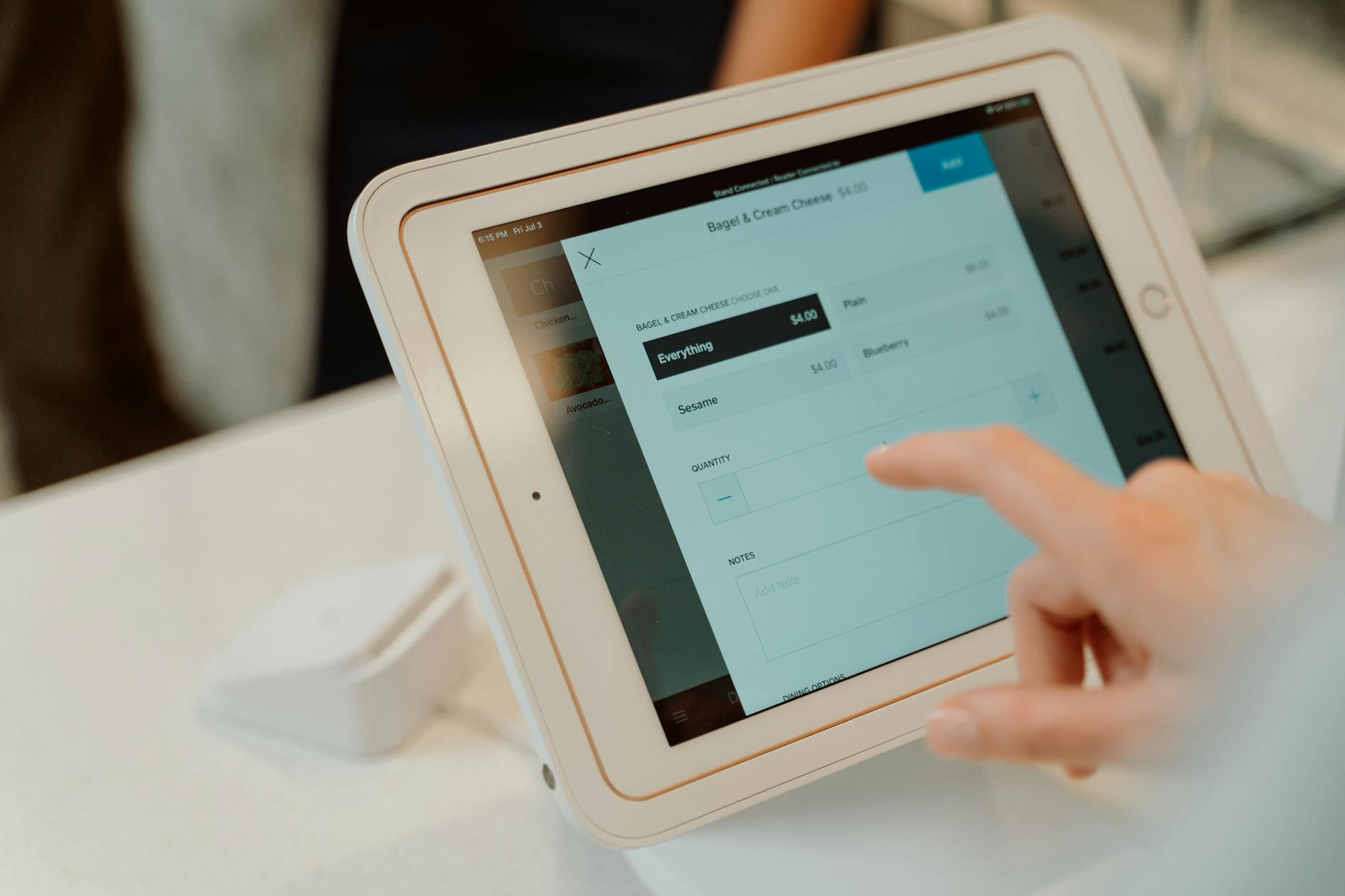
Securing your point of sale system requires a multi-layered approach that addresses hardware vulnerabilities, software threats, and payment data handling practices. The stakes are real: POS systems are targeted in 24% of all retail security breaches, and when breaches occur, the average cost to a U.S. business reaches $10.22 million—an all-time high in 2025.
Whether you operate a single-location retail shop or manage a multi-store enterprise, understanding the current threat landscape and implementing proven security controls is essential to protecting your customers’ payment information and your business’s reputation. The good news is that POS security technology has matured significantly. End-to-end encryption (E2EE) is now standard in 94% of new POS hardware, and advanced authentication methods like biometric verification and NFC tokenization are becoming mainstream. However, security is not a one-time setup—it requires ongoing vigilance, regular updates, and staff training to counter evolving threats like Prilex malware and AI-driven credential theft, which surged 160% in 2025.
Table of Contents
- Understanding the Current POS Security Threat Landscape
- Payment Data Encryption and End-to-End Protection
- Biometric Authentication and Contactless Payment Security
- Tokenization and Its Role in Reducing Payment Fraud
- Addressing Ransomware and AI-Driven Credential Theft
- Network Segmentation and Access Control
- The Future of POS Security and Industry Evolution
Understanding the Current POS Security Threat Landscape
The retail environment remains under constant threat. Annual retail security incidents jumped from 725 reported incidents in 2023 to 837 in 2024, with confirmed breaches rising from 369 to 419 during the same period. This 13% increase in incidents underscores that attackers are becoming more persistent and sophisticated. POS systems are particularly attractive targets because they store, process, and transmit sensitive payment card data—making a single compromised terminal a doorway to customer financial information. Recent malware developments illustrate how targeted POS attacks have become.
In May 2026, cybersecurity researchers documented new versions of Prilex malware (created by Brazilian threat actors) specifically engineered to attack NFC-enabled credit cards. This malware disables contactless payment features, forcing transactions back to PIN pad entry where card data can be captured more easily. Additionally, 80% of ransomware attacks now incorporate artificial intelligence in some capacity, automating reconnaissance and accelerating the speed at which attackers identify and exploit POS system weaknesses. The impact of compromised POS systems extends beyond immediate fraud losses. When breaches occur, 46% of them expose customers’ personally identifiable information (PII)—names, email addresses, payment details, and purchase history. This information becomes a valuable commodity on the dark web and can fuel years of secondary fraud and identity theft, compounding the original breach’s damage.

Payment Data Encryption and End-to-End Protection
End-to-end encryption (E2EE) is the foundational defense for payment data in transit. When properly implemented, E2EE ensures that payment card information is encrypted at the point of entry (the terminal) and remains encrypted throughout its journey to the payment processor, making it unreadable to any intermediary—including your own employees or compromised network segments. The adoption rate has climbed to 94% in new POS hardware, but the critical limitation is that encryption alone does not protect against insider threats, social engineering, or compromised systems that hold decryption keys. Consider the difference between an encrypted and unencrypted environment: an attacker who gains access to an unencrypted card data flow can immediately harvest usable card numbers. With E2EE in place, the same attacker would find only encrypted cipher text, worthless without the encryption keys.
However, if an attacker compromises the terminal itself or the system holding decryption keys, the encryption becomes irrelevant—which is why E2EE must be paired with access controls, logging, and real-time threat monitoring. Legacy POS systems remain a vulnerability hotspot. Nearly 42% of businesses cite data security concerns and integration complexities with older POS infrastructure as ongoing challenges. These legacy systems often lack modern encryption, run unsupported operating systems, and cannot receive security patches. If your current system is more than five years old and cannot be updated to support full E2EE, prioritizing a migration to a modern, certified POS platform should be a strategic goal, not an option.
Biometric Authentication and Contactless Payment Security
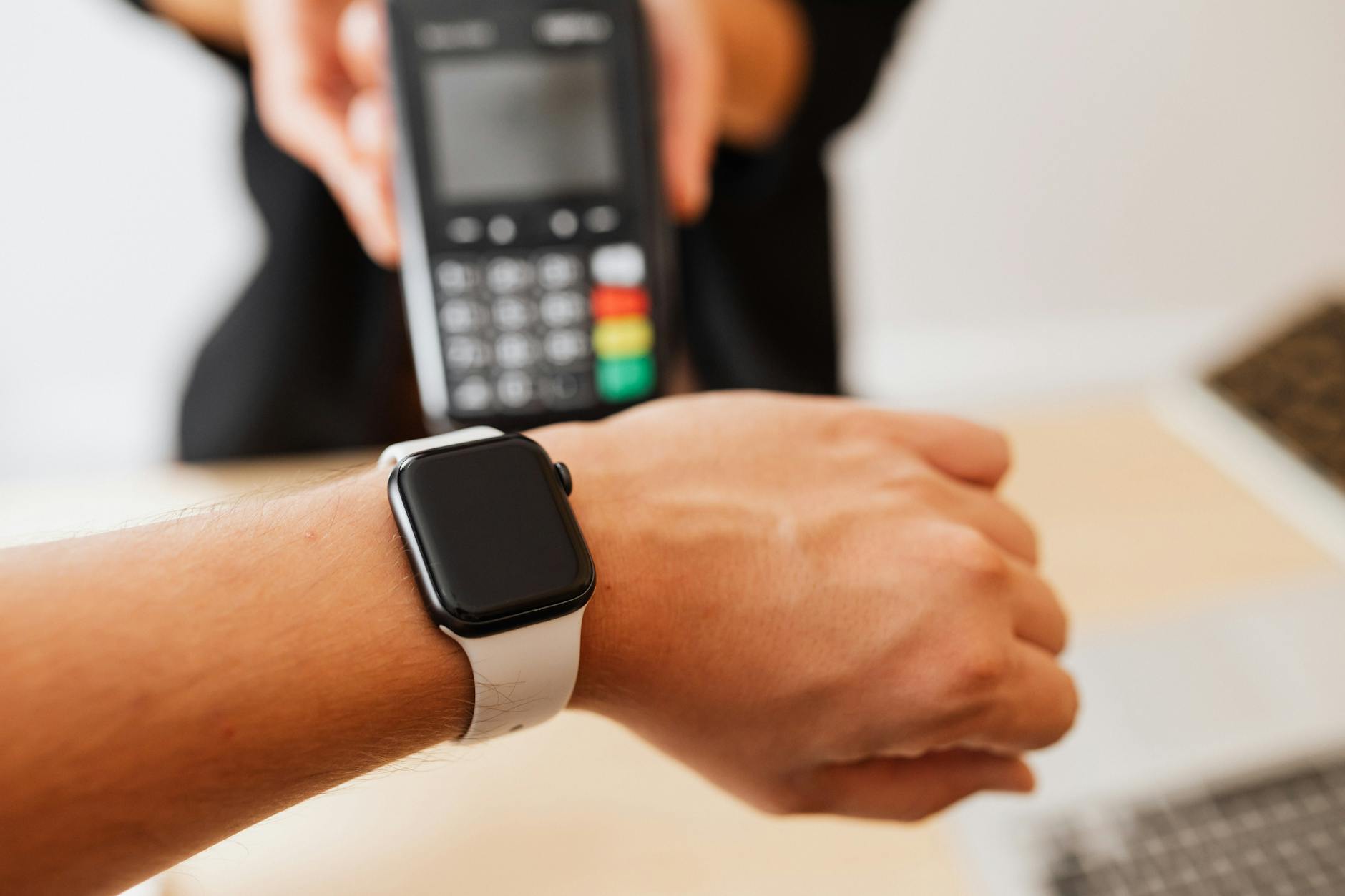
Biometric authentication—fingerprint and facial recognition—is reshaping how payment security works. The global biometric POS market is expected to surpass $8.5 billion by 2026, with over 50% of POS systems already supporting biometric payment authentication as of 2025. Biometric methods significantly reduce reliance on PIN codes and passwords, which can be guessed, stolen, or replayed by attackers. Because a fingerprint or face cannot be reset or shared like a password, biometric authentication adds a genuinely unique layer of verification. Contactless payment, including NFC (near-field communication), has become ubiquitous—88% of POS terminals worldwide support NFC as of 2025. This convenience has driven rapid consumer adoption of tap-to-pay credit cards and mobile wallets.
However, the convenience introduces new attack vectors. Skimming devices can capture NFC data from a distance without physical contact, and the Prilex malware threat specifically exploits NFC by downgrading transactions to less-secure PIN entry methods. To counter NFC-specific threats, modern systems should enforce tokenization—the replacement of actual card numbers with randomized, single-use tokens that cannot be reused if captured. The limitation to understand is that biometric systems can be spoofed or bypassed under certain conditions. Fake fingerprints created from latent prints or facial recognition systems fooled by high-quality photographs have been documented in academic research. For this reason, biometric authentication is most effective when used in combination with other controls—not as a standalone security measure.
Tokenization and Its Role in Reducing Payment Fraud
Tokenization is one of the most effective fraud-reduction technologies available and can reduce payment fraud by up to 90%. In a tokenization system, the POS terminal does not transmit the actual credit card number to the payment processor. Instead, it sends a unique token—a meaningless string of characters that represents the card. The payment processor validates the token against its token vault and completes the transaction. If an attacker intercepts the token, it is worthless outside that specific merchant’s system. The practical advantage is significant when compared to traditional card-number transmission.
Under the old model, a breach would expose thousands of card numbers requiring notification, cancellation, and fraud monitoring. With tokenization, exposed tokens are non-transferable and specific to your merchant account—making them useless to criminals and eliminating the need for costly reissuance campaigns. Major payment networks including Visa and Mastercard now offer tokenization as a core service, and many processors have made it the default for in-app and contactless payments. The trade-off is that tokenization requires integration with a payment processor that supports the service, and it does not protect against theft of other customer data (names, addresses, email) that may be stored separately. If your POS system stores customer information in one database and payment tokens in another, a breach of the non-payment database could still expose PII. Implementing tokenization must therefore be paired with data minimization—storing only the customer information you genuinely need and encrypting the rest.
Addressing Ransomware and AI-Driven Credential Theft
Ransomware has evolved into a business model for organized crime groups, and its integration of artificial intelligence is accelerating attack speed and success rates. Eighty percent of ransomware attacks now employ AI in some capacity—typically for initial reconnaissance, vulnerability identification, and lateral movement through networks. AI-driven credential theft surged 160% in 2025, with over 14,000 breaches recorded in a single month. These attacks often begin with harvested credentials (usernames and passwords) that allow attackers to log in as legitimate users, bypassing many network defenses. For POS environments, the primary risk is that attackers will use stolen admin credentials to access the payment processing configuration, retrieve decryption keys, or deploy malware that intercepts transaction data.
The warning here is critical: if a POS administrator’s login credentials are compromised via phishing or credential-stuffing attacks, the attacker may have unfettered access to the entire system. Mitigation requires multi-factor authentication (MFA) for all POS administrative accounts, with MFA that cannot be bypassed via phishing (hardware security keys are more resistant than SMS codes). A significant limitation of many small and mid-sized POS deployments is the lack of comprehensive logging and monitoring. If an attacker logs in with stolen credentials and silently exfiltrates payment data or configuration files, the breach may go undetected for weeks. This is why POS systems should integrate with a centralized security information and event management (SIEM) platform or employ real-time alerting for suspicious activities—failed login attempts, after-hours access, configuration changes, or data exports.

Network Segmentation and Access Control
Isolating your POS network from other business networks significantly reduces the blast radius of a breach. Network segmentation means that even if an attacker compromises your office Wi-Fi network or gains access to a staff computer, they cannot laterally move to the POS terminals or payment servers. In practice, this means separating the POS network onto a dedicated VLAN (virtual local area network) or isolated network segment with restricted access rules.
For example, a retail location with separate office and POS networks should configure firewall rules that allow POS terminals to communicate only with the payment processor and essential services—blocking any inbound connections from the office network or internet unless explicitly required. This architectural approach has proven effective because the majority of POS breaches begin with compromised devices on the general network. By enforcing strict access controls, you prevent attackers from pivoting to payment systems even if they successfully breach other parts of your infrastructure.
The Future of POS Security and Industry Evolution
The POS market continues rapid growth, projected to expand from $44.6 billion in 2026 to $138.92 billion by 2034. This expansion is being driven by adoption of advanced security technologies—biometric authentication, tokenization, and cloud-based POS platforms that receive automatic security updates. The trend suggests that businesses investing in modern POS infrastructure today will have access to evolving security features throughout their system’s lifecycle, whereas legacy systems will become increasingly isolated and vulnerable.
Looking forward, expect regulatory pressure to increase compliance requirements around payment data security. The Payment Card Industry Data Security Standard (PCI DSS) is the current baseline, but emerging regulations in the EU, California, and other jurisdictions are tightening requirements around data retention, breach notification timelines, and vulnerability disclosure. Businesses that proactively implement security controls beyond the minimum compliance threshold will be better positioned to adapt to these changes.
You Might Also Like
- How to Secure Your Pinterest Account Online
- How to Secure Your Expense Report System
- How to Protect Your Vendor Contracts Online