
How to Secure Your Journal Submission Privacy
Journal privacy depends on anonymization, access restrictions, and understanding what data you're actually exposing when you submit.

Journal privacy depends on anonymization, access restrictions, and understanding what data you're actually exposing when you submit.

AI music platforms like Suno may have trained on millions of songs without artist permission, raising urgent questions about data ethics and copyright in generative AI.

Michigan and 41 other states settled with 23andMe over its 2023 genetic data breach, though bankruptcy limits payouts to just $18 million of the $150 million in allowed claims.
Attackers accessing peer review accounts can steal unpublished research, manipulate editorial decisions, and publish papers under a researcher's name—signs of compromise often go unnoticed for months.

Students are prime targets for account takeovers—learn the specific threats to academic data and how to defend against them.
Coupang faced significant regulatory action following a major data breach affecting millions of South Korean customers and personal information exposure.
WorldLeaks stole 720 GB of personal and medical data from Centers Lab, prompting a class action investigation into breach.
A new macOS malware uses Apple's own credentials to steal passwords and cryptocurrency without triggering security warnings.
India's nuclear authority denies a contractor data breach exposed reactor controls, but 14GB of facility data now circulates online.
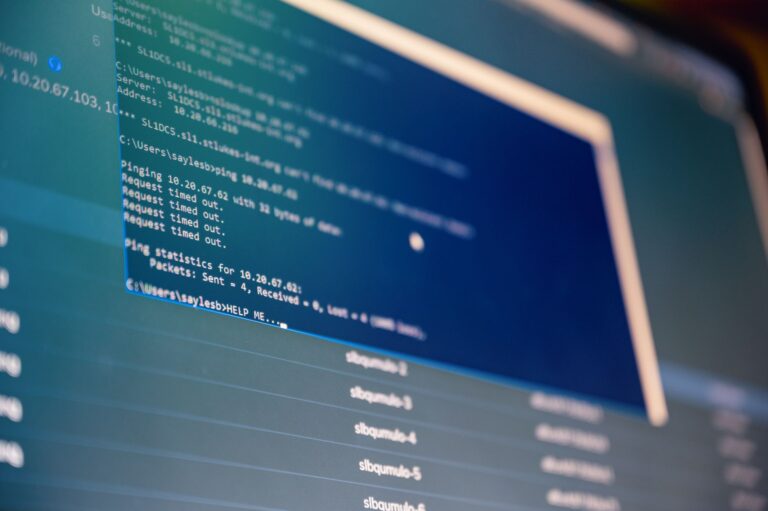
NYC hospitals lost biometric scans, medical records, and financial data for 1.8 million patients through a third-party vendor breach lasting 10 weeks.