
Cryptocurrency Wallet Owners Targeted by OkoBot Malware Stealing Private Keys and Funds
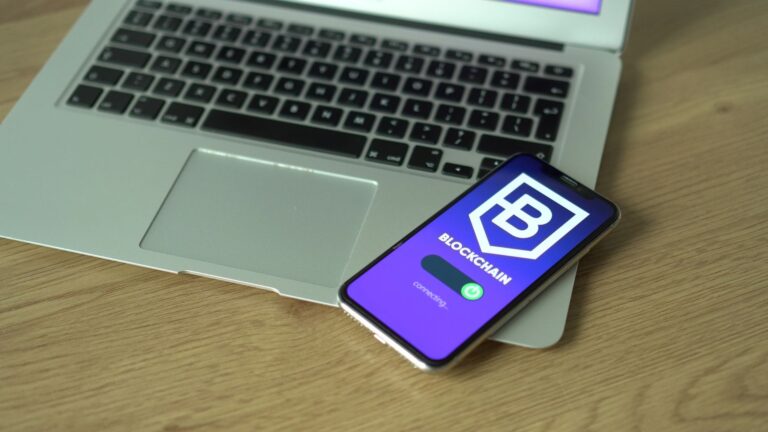
Kaspersky's discovery of OkoBot reveals a 20-payload malware framework actively stealing cryptocurrency wallet credentials across 25 countries.

Kaspersky's discovery of OkoBot reveals a 20-payload malware framework actively stealing cryptocurrency wallet credentials across 25 countries.

DC Housing Authority residents face uncertain exposure after a breach of personal data held by the agency—raising questions about what information was stolen and how residents can protect themselves.

An FBI investigation traced $220,000 in stolen cryptocurrency through blockchain transactions to a 21-year-old's Uber Eats gift card purchases.

A mother spent 21 months imprisoned for an illegal gaming operation she never knew existed, her identity stolen by POGO conspirators to hide their enterprise.

Over 35 million Comcast customers can claim payouts up to $10,000 from a $117.5 million settlement—but only until September 14, 2026.

Congressional backing for an appeal against FCC breach notification rules signals fundamental disagreements about regulatory authority and compliance feasibility.

Fake CAPTCHA forms deliver trojans and stealers by exploiting users' trust in routine security verification screens.

Sealed court records on Epstein victims surfaced during a national security hearing, exposing critical gaps in how government agencies protect sensitive data.
Monitor your bills, medical records, and insurance accounts for signs that your lab data has been accessed before you receive an official breach notification.
Ransomware attackers now prioritize identity theft and credential misuse over exploit-based attacks, with over 80% of 2026 operations using this method.