Best Privacy Settings for Mailchimp Accounts
Mailchimp’s privacy defaults leave subscriber data vulnerable; here’s how to lock it down.
Tips to protect your data and privacy
Mailchimp’s privacy defaults leave subscriber data vulnerable; here’s how to lock it down.
Email tracking is industry standard, but new laws require explicit consent—and enforcement is accelerating worldwide.
Email marketing platform breaches expose millions of customer lists, authentication credentials, and campaign data in a single attack, compromising thousands of downstream businesses simultaneously.
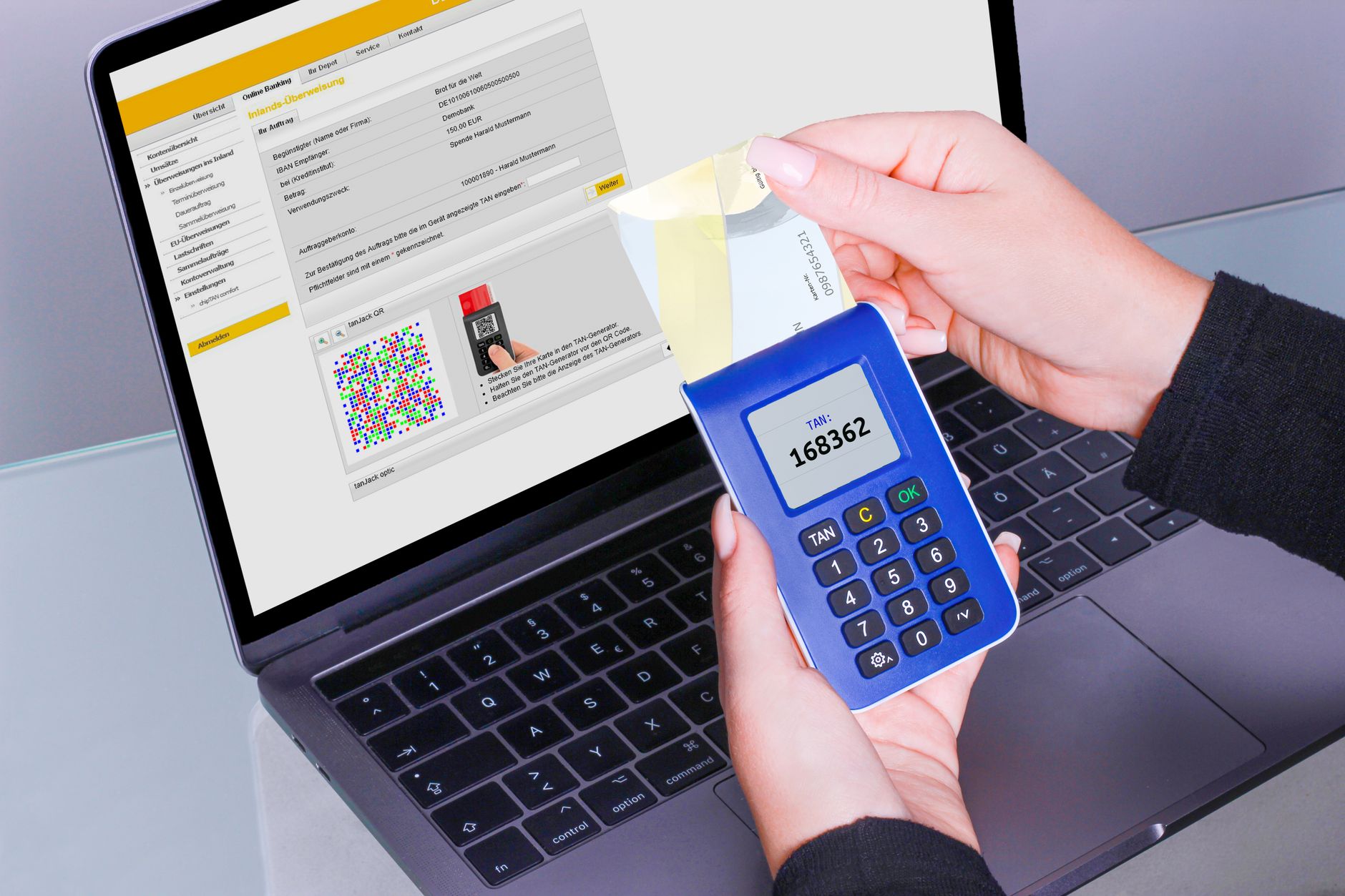
Transactional email systems require DKIM, SPF, and DMARC authentication to prevent spoofing, plus infrastructure controls and vendor assessment to block compromise.
Unexpected logins, spam complaints, and broken authentication records reveal when email marketing accounts fall to attackers.
Newsletter breaches expose millions yearly. Protect subscriber data with email authentication, encryption, and strict consent records.
If your mailing list is compromised, you have 24-72 hours to stop the breach, notify regulators, and contact affected subscribers or face fines up to $1 million.
Email headers reveal who really sent the message—check SPF, DKIM, and DMARC results to catch spoofed emails.
Encrypted email protects message content from breaches but not metadata—and most providers’ claims require verification beyond marketing language.

Your unsent emails may be copied across servers worldwide the second you start typing. Here’s how to keep drafts actually private.