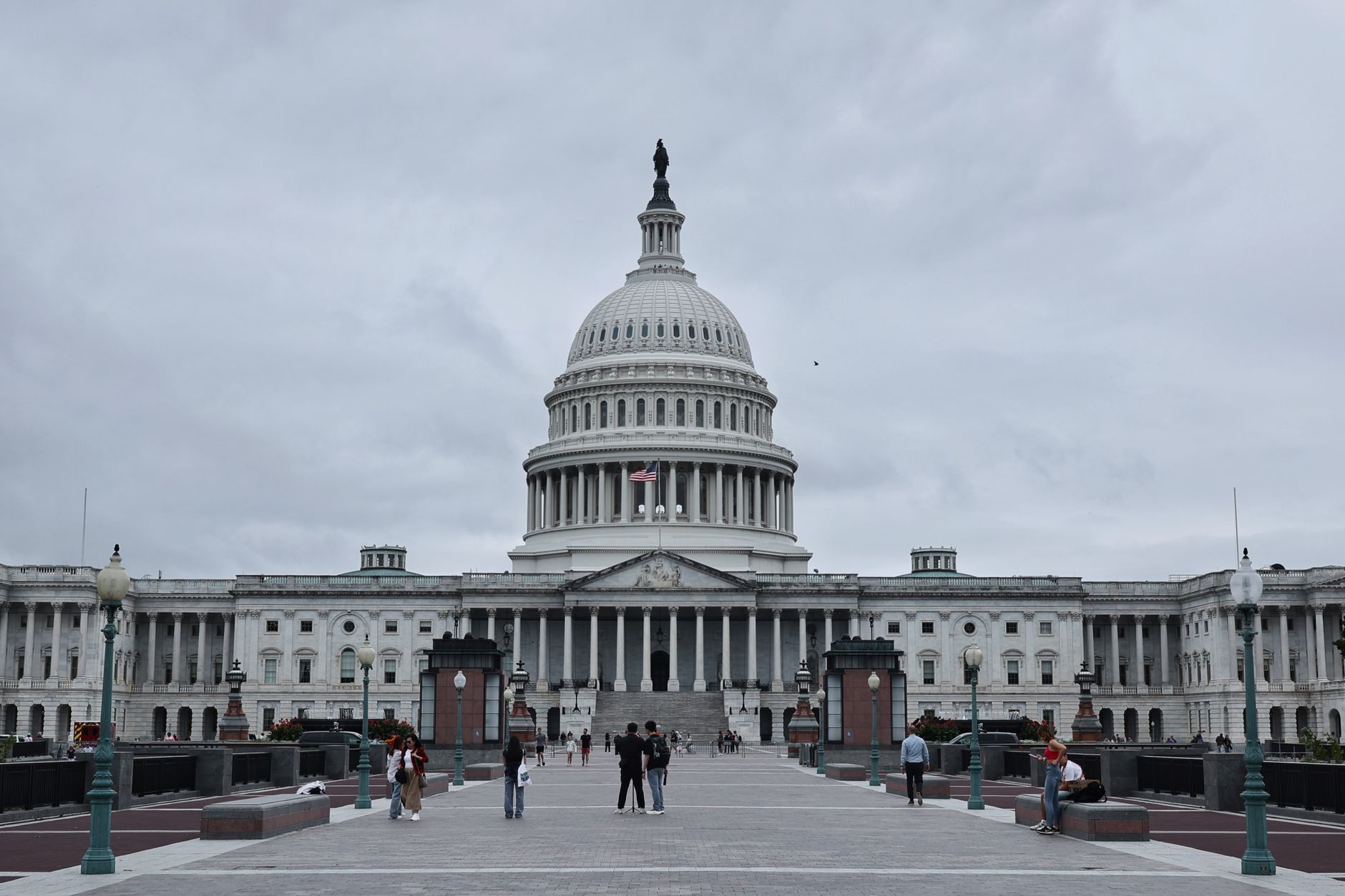
Congressional leaders have taken action to support a legal challenge against recently issued FCC data breach notification regulations. This development reflects growing tension between federal telecommunications authorities and lawmakers who believe the rules either exceed the FCC’s authority, impose unrealistic compliance burdens on carriers, or fail to align with existing state-level breach notification frameworks. The appeal represents a broader pattern of congressional pushback against regulatory expansions that lack statutory foundation or create conflicting requirements across jurisdictions.
The dispute centers on how telecommunications companies must notify customers when their personal data is compromised. While data breach notification has become standard practice following high-profile incidents affecting millions of consumers, the specific requirements—including notification timelines, victim classes, and carrier liability—remain contested terrain. Congressional leaders argue that these rules should be revised to prevent companies from facing impossible compliance deadlines or contradictory obligations across different regulatory regimes.
Table of Contents
- Why Congressional Leaders Challenge FCC Breach Notification Authority
- The Existing Patchwork of Notification Rules
- Federal vs. State Authority in Consumer Protection
- Compliance Burden and Real-World Challenges for Carriers
- Timeline Conflicts and Investigation Realities
- Industry Standards and Voluntary Commitments
- The Appeal Process and Path Forward
Why Congressional Leaders Challenge FCC Breach Notification Authority
The FCC’s regulatory scope has historically centered on telecommunications services, not general consumer data protection. When the agency expands its authority to cover data breach notification practices, it enters territory traditionally governed by state attorneys general, federal laws like the Health Insurance Portability and Accountability Act (HIPAA), or other sector-specific regulators. Congressional leaders supporting the appeal contend that this expansion lacks clear statutory language authorizing the FCC to impose notification requirements beyond its core regulatory domain. The appeal also reflects concerns about feasibility.
Telecommunications carriers argue—and supporting lawmakers agree—that certain notification timelines or disclosure requirements may be technically impossible to meet. For example, a carrier discovering a breach must investigate its scope before notifying affected parties accurately. If the FCC requires notification within a period shorter than a typical forensic investigation, carriers face a practical and legal trap: comply with the FCC rule and risk violating state laws requiring accurate disclosures, or prioritize accuracy and violate federal requirements. Congressional involvement signals that the issue has moved beyond industry lobbying into genuine concerns about regulatory overreach. When members of both chambers support an appeal, it typically means the regulation affects multiple constituencies or raises constitutional questions about agency power that transcend partisan lines.
The Existing Patchwork of Notification Rules
Before the FCC’s new rules, data breach notification fell under a fragmented system where state laws, federal sector-specific regulations, and industry standards coexisted without unified coordination. Every state has its own breach notification statute, each with slightly different timelines—ranging from immediate notification to “without unreasonable delay”—and different definitions of what constitutes a breach or whose data must be protected. This patchwork creates genuine complexity for companies operating nationally. Telecommunications carriers operated within this existing framework, sometimes applying the strictest state requirements across all customers to simplify compliance.
The FCC’s new rules, however, create a third layer of requirements. A carrier must now comply with individual state laws, potentially the FCC rule, and federal rules from other agencies if their data involves health, financial, or government information. If the FCC requirements diverge significantly from state law, carriers cannot satisfy both, which is the core limitation that drives congressional concerns. An example illustrates this: if a state requires notification within 30 days but the FCC requires 15 days, a carrier cannot meet both if investigation takes 20 days.
Federal vs. State Authority in Consumer Protection
The appeal raises fundamental questions about federalism and regulatory authority. States have long been laboratories of consumer protection policy, with aggressive attorneys general enforcing state breach notification laws and imposing significant penalties on companies that violate them. Some states have become national standard-setters; companies operating everywhere often use California or New York rules as de facto national baselines because the penalty and legal environment there is severe.
When the FCC issues a national rule that differs from state law, it potentially preempts state authority or creates contradictions that states did not intend. Congressional leaders supporting the appeal argue that if federal data protection policy should change, Congress should make that change through legislation, not through FCC regulatory interpretation. This distinction matters because Congress debates trade-offs—balancing company burden against consumer protection—while agencies often proceed without that legislative scrutiny. The contrast between FCC rulemaking, which involves public comment and regulatory procedure, versus congressional legislation, which involves elected representatives and more extensive deliberation, frames this as a governance issue, not merely a technical regulatory dispute.
Compliance Burden and Real-World Challenges for Carriers
Telecommunications companies have pointed out that the notification requirements, combined with forensic investigation demands, create operational challenges beyond mere inconvenience. A carrier handling millions of customer accounts must identify which customers were affected, verify that breached data belonged to those individuals, and prepare notification materials—all while running an ongoing investigation of how the breach occurred and whether new data was accessed. Particularly difficult scenarios arise when a carrier discovers a potential breach but cannot immediately determine its scope.
For example, a compromised database might contain customer names and phone numbers but not account numbers, billing addresses, or social security numbers. Whether this constitutes a “breach” requiring notification depends on the regulatory definition—and different definitions lead to different compliance paths. Under some state definitions, the breach must involve data typically used for fraud; under others, any access to personal information triggers notification. Congressional supporters of the appeal argue that carriers should have reasonable time to investigate before being forced to notify customers based on incomplete information, because premature notification risks false alarms that erode consumer trust.
Timeline Conflicts and Investigation Realities
One of the most contentious aspects of breach notification regulation involves the notification timeline. The FCC rules establish specific windows during which carriers must notify affected parties. However, a thorough forensic investigation—determining what was breached, who was affected, and how the breach occurred—cannot be rushed without sacrificing accuracy.
Forensic experts generally require days to weeks to fully understand a breach’s scope. Congressional opposition highlights a warning: if regulations require notification faster than investigation can reasonably proceed, companies must choose between incomplete disclosure and apparent rule violation. This situation is not theoretical—it has occurred under existing state notification laws, where companies notified customers prematurely, then had to issue second notifications correcting the first, which confused consumers and created liability questions. Forcing carriers into this position serves neither regulatory objectives nor consumer protection, critics argue.
Industry Standards and Voluntary Commitments
Before the FCC’s formal rules, many carriers had already adopted breach notification practices based on industry standards and state law compliance. Some telecommunications companies committed to notification timelines and procedures that exceeded state law minimums.
These voluntary commitments sometimes aligned with practices favored by consumer advocates and security experts. Congressional supporters of the appeal question why regulatory requirements were necessary if industry and state law already addressed the issue—or alternatively, why the FCC’s requirements should override industry practices that carriers and states had already negotiated.
The Appeal Process and Path Forward
Legal challenges to FCC regulations proceed through federal appeals courts, where judges evaluate whether the agency acted within its statutory authority and whether the rule is reasonable. For the appeal to succeed, challengers must convince the court that the FCC exceeded its power under the Communications Act or that the rule is arbitrary and capricious—meaning not reasonably justified by the agency’s reasoning. Congressional support for the appeal signals that lawmakers believe the legal arguments have merit, though congressional support does not determine judicial outcomes.
The resolution of this appeal will influence future FCC regulatory efforts in data protection and privacy. If courts uphold the rule, the FCC may expand its authority into other data protection domains. If courts overturn it, state laws and existing industry practices would resume as the primary regulatory framework, potentially returning to the multi-jurisdictional fragmentation that motivated the FCC’s action. Either outcome reshapes how carriers approach breach notification and informs whether future data protection rules should come through FCC regulation, congressional legislation, or continued state-level authority.
- —
You Might Also Like
- 23andMe Genetic Data Breach Settlement Approved Michigan Resolves 2023 Security Incident
- Prison Inmate Personal Data Stolen in Major Database Security Breach and Leak
- New macOS Malware Trojan Impersonates Apple Crash Reporter to Steal Data